 Bradenton Siding
 Why Bayshore Gardens Decks Wear Out Faster Than You'd Expect
Bayshore Gardens sits close enough to the water that every deck in the neighborhood is doing double duty: holding up your cookouts and morning coffee, while also absorbing constant punishment from the local climate. Manatee County weather isn't kind to exterior wood and fasteners. Intense, near year-round UV breaks down wood fibers and dries out sealants. Wind-driven rain during summer storms and hurricane season pushes moisture into joints and connections that were never designed to stay wet. And the salt-laden air common to this part of the Gulf Coast accelerates corrosion on nails, screws, and structural hardware long before the visible wood shows a problem.
The result is a pattern we see over and over on decks in this area: the surface boards look fine from a distance, but the framing, fasteners, or ledger connection underneath have quietly weakened. A deck that looks 90% healthy can still have the 10% that actually matters for safety failing. That's the gap a proper repair addresses.
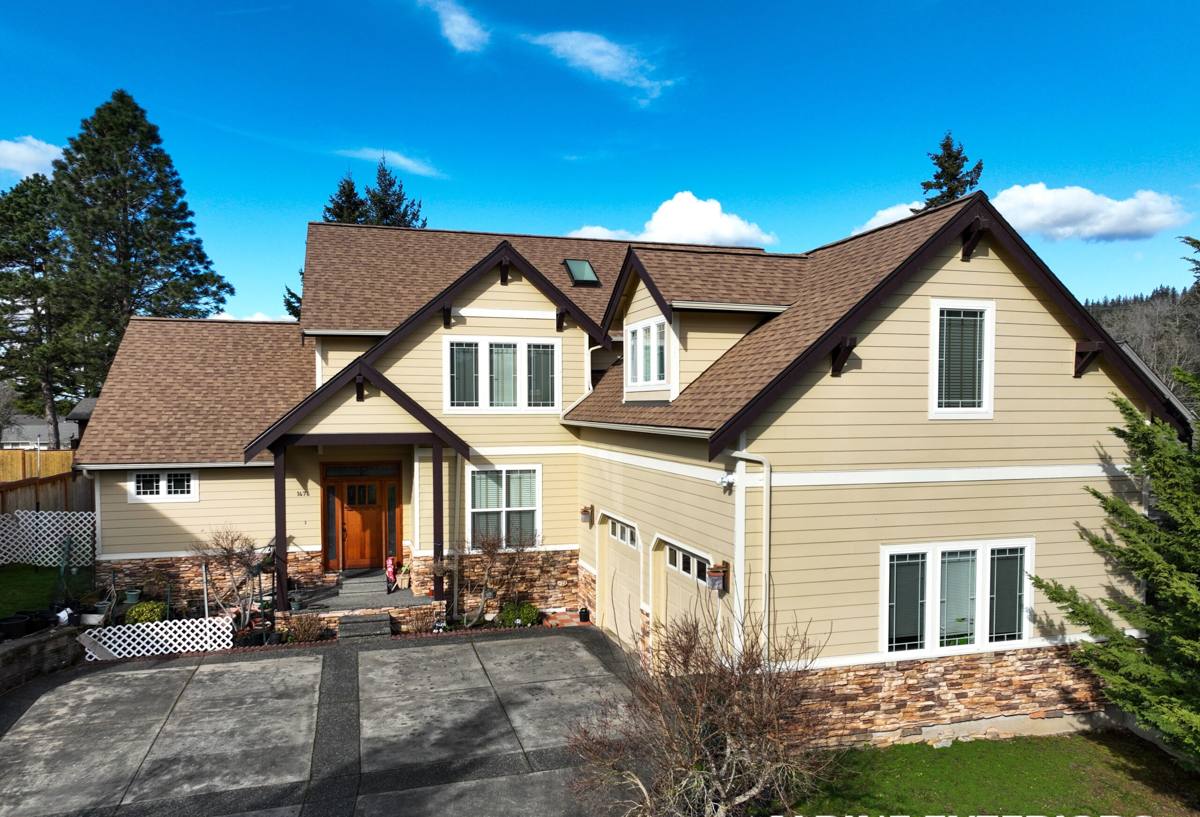
Common Deck Problems We Find in Bayshore Gardens
Rot and Soft Spots
Wood decking and framing absorb moisture at fastener holes, board ends, and anywhere two pieces of wood meet without a way to dry out. In our climate, that moisture rarely gets a break between rain events, so rot spreads faster here than it would in a drier region.
Fastener and Hardware Corrosion
Salt air corrodes standard nails, screws, and joist hangers well before the wood around them looks damaged. A deck can pass a casual glance and still have compromised connections at the ledger, posts, or stair stringers.
Railing and Baluster Failure
Railings take direct sun and rain exposure on all sides and get physical stress every time someone leans on them. Loose posts, wobbly top rails, and cracked balusters are one of the most common repair calls we get.
Ledger Board Separation
The ledger board connects the deck to the house, and it's also one of the most common points of water intrusion. Wind-driven rain can force moisture behind the ledger over time, weakening the connection that keeps the whole structure attached to the home.
Surface Damage from UV and Storms
Cupping, splintering, and finish breakdown on the decking surface are usually cosmetic, but they're also an early warning that the boards are losing their protective seal and taking on more moisture than they should.
Signs It's Time to Call for a Deck Repair
- Boards that feel spongy, bouncy, or soft when you walk on them
- Visible gaps, cracks, or splintering in the decking surface
- Rust streaks running from screws or nails
- A railing or post that moves when you push on it
- Stairs that feel unsteady or have visible gaps at the stringers
- Any separation, gapping, or staining where the deck meets the house
- Standing water that doesn't drain off the surface within a few hours after rain
- Discoloration or dark staining on the underside of the deck, which often signals hidden moisture
If you notice any of these, it's worth having it looked at before the next tropical storm or heavy rain event puts more stress on the structure.
What a Correct Deck Repair Actually Involves
A repair that only replaces what's visible on top often misses the real problem underneath. Our approach starts with the structure, not the surface.
1. Structural Inspection First
Before replacing a single board, we check the framing, ledger connection, posts, footings, and fastener condition. This tells us whether we're dealing with a cosmetic fix or something that affects the deck's ability to safely carry weight.
2. Address the Moisture Source
Replacing rotted wood without fixing whatever let water in means the same spot fails again. That might mean improving flashing at the ledger, correcting drainage, or adjusting board spacing so water sheds properly instead of pooling.
3. Match Materials and Fasteners to the Climate
We use fasteners and hardware rated for coastal exposure, not standard hardware store grade. Given the salt air here, this single decision has a big impact on how long a repair actually lasts.
4. Rebuild to Code, Not Just to Look Right
Railing height, baluster spacing, stair stringer support, and ledger attachment all have code requirements for a reason — they're safety items, not style choices. Any repair we do brings those elements up to current standards, even if the original deck wasn't built that way.
Repair vs. Replace: How We Make the Call
Not every deck problem means starting over, but not every problem should be patched either. We look at a few honest factors before recommending a direction.
| Factor | Favors Repair | Favors Replacement |
|---|---|---|
| Framing condition | Solid, dry, no rot at joists or beams | Widespread soft or rotted framing |
| Ledger connection | Intact, properly flashed | Separation, water staining, or corrosion at the house connection |
| Extent of damage | Isolated to a few boards or one railing section | Damage spread across multiple areas of the deck |
| Age of structure | Newer deck with a localized issue | Older deck already near the end of its service life |
| Code compliance | Mostly compliant, minor updates needed | Significant gaps in railing, spacing, or footing requirements |
We'll walk you through what we find and why, so the decision is based on the actual condition of your deck, not a guess.
Decking Material Considerations for Repairs
When we replace boards or sections, the material choice matters, especially in a climate that punishes exterior surfaces year-round.
Pressure-Treated Wood
Cost-effective and easy to match to existing framing, but it needs regular sealing to hold up against our UV exposure and rain, and it's more vulnerable to the moisture cycling common in Florida summers.
Composite Decking
Composite boards resist rot and don't need staining, which is a real advantage here. Our professional standard is to install them with proper ventilation and spacing underneath, since trapping moisture against composite in a humid climate can cause its own problems over time.
PVC Decking
Fully synthetic and highly resistant to moisture and salt air, PVC holds up well in coastal conditions but comes at a higher upfront cost. We only recommend it where the framing underneath is sound enough to support a longer-term investment.
For repairs, we'll often recommend matching your existing material for a clean, consistent look, unless the failure pattern suggests the original material simply isn't suited to this environment.
Our Deck Repair Process
- On-site inspection of the full structure — framing, ledger, posts, railings, and surface
- A clear explanation of what's failing and why, in plain language
- A written scope covering exactly what will be repaired or replaced
- Repair work using coastal-rated fasteners and hardware
- Correction of any drainage or moisture issues that caused the original damage
- A final walkthrough so you can see and understand the work before we consider the job done
We don't upsell a full rebuild when a targeted repair will genuinely hold up. Our reputation in Bradenton and the surrounding Manatee County area depends on giving homeowners an honest read, not the most expensive one.
Why Local Experience in Bayshore Gardens Matters
A crew that regularly works in this neighborhood already understands how the local combination of salt exposure, humidity, and storm patterns affects decks specifically here, not just in Florida generally. That means fewer surprises during inspection, faster accurate diagnosis of what's actually failing, and repair choices that account for what this particular environment does to fasteners, wood, and connections over time. It also means we're accustomed to permitting and code requirements that apply to homes in this part of Manatee County, so the repair holds up to inspection as well as to weather.
Protecting Your Deck After the Repair
A repaired deck still needs seasonal attention in this climate to get its full service life:
- Rinse off salt residue and debris periodically, especially after storms
- Reseal or restain wood decking on a regular schedule rather than waiting for visible fading
- Keep gutters and downspouts clear so water isn't dumping directly onto or under the deck
- Check railings and stair connections for movement once or twice a year
- Address small issues — a loose board, a hairline crack — before the next rainy season, not after
Catching small problems early is almost always cheaper and less disruptive than waiting until a structural issue develops.
Get an Honest Look at Your Deck
If your Bayshore Gardens deck has soft spots, wobbly railings, or damage from recent weather, it's worth having someone experienced take a real look before it gets worse. We offer a free, no-pressure estimate — we'll tell you plainly what we find, what it needs, and what it doesn't. Fill out the form below to schedule a time for us to come take a look.