 Bradenton Siding
 Roofing Built for Braden River's Weather, Not Just Any Weather
Braden River homes sit inland from the coast, but "inland" doesn't mean sheltered. This part of Manatee County still takes direct hits from tropical systems moving off the Gulf, sees some of the most intense year-round UV in the country, and deals with wind-driven rain that finds every weak seam in a roof system. Add the humidity that never really lets up and the salt air that drifts further inland than most homeowners expect, and you've got a climate that ages roofing materials faster than almost anywhere else in the continental US.
A new roof installation here isn't a cosmetic upgrade. It's a structural decision that determines how your home performs during the next named storm, how much your attic costs you in cooling bills every August, and how many years pass before you're back on the phone with a contractor. We approach every Braden River roof replacement with that reality in mind — not just matching shingles to a color chart, but building an assembly that's meant to hold up.
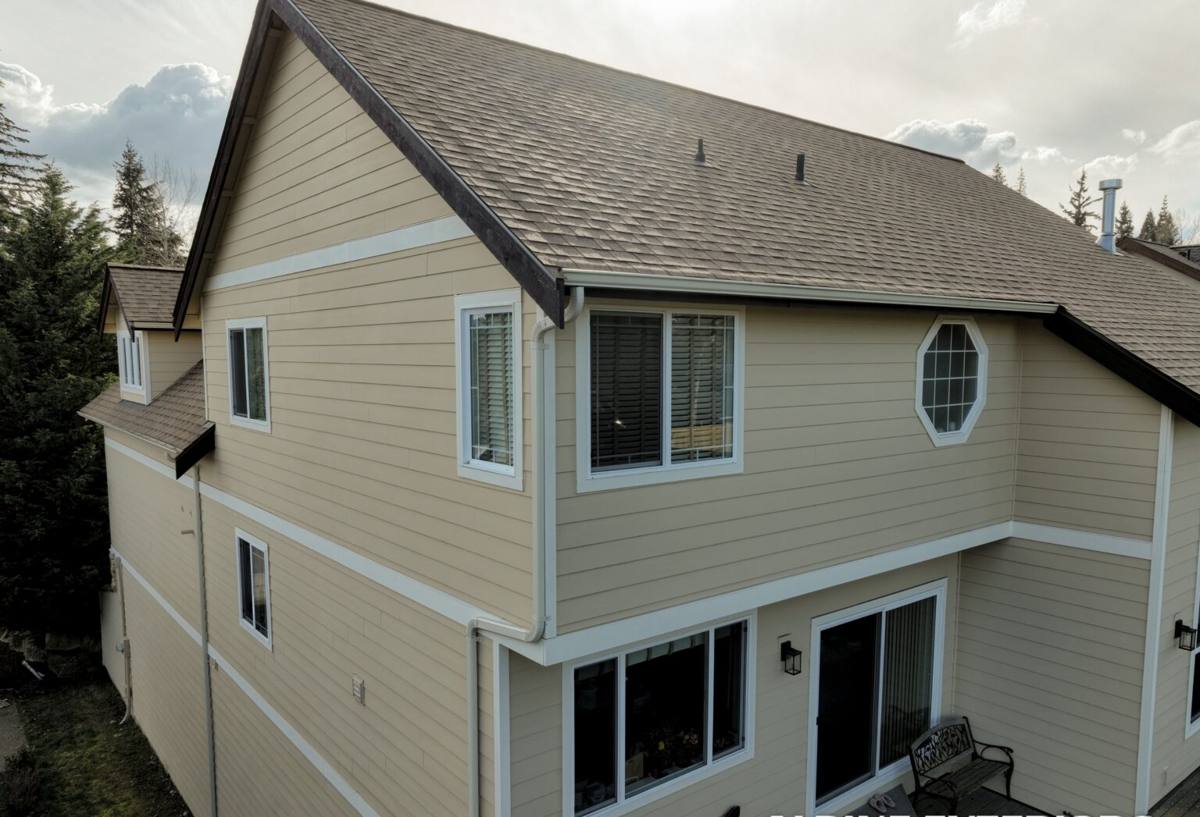
What a Correct New Roof Installation Actually Involves
A roof isn't one product — it's a stacked system, and every layer has a job. Skipping or shortcutting any one of them is usually where premature failures start.
Tear-Off and Deck Inspection
We don't install over existing layers. A full tear-off lets us see the actual condition of the roof deck — the plywood or OSB sheathing underneath everything else. In homes exposed to years of Florida humidity, it's common to find soft spots, delaminated panels, or old nail patterns that need to be addressed before a single new shingle goes down. Installing over compromised decking is one of the most common reasons a "new" roof underperforms.
Underlayment and Secondary Water Barrier
This layer is your backup plan if wind-driven rain gets past the shingles, and in this climate it will be tested. We install a synthetic or self-adhering underlayment system suited to the roof pitch and material, with particular attention to sealing deck seams — a detail that matters more here than in drier climates because wind-driven rain doesn't fall straight down, it drives sideways and works its way up under tab edges.
Flashing Details
Most roof leaks don't start in the open field of the roof — they start at flashing: chimneys, wall transitions, skylights, vent penetrations, and roof valleys. We replace flashing as part of every new roof rather than reusing old pieces, since flashing metal that's been through several storm seasons is often more compromised than it looks from the ground.
Ventilation
An under-ventilated attic in Bradenton's heat cooks the underside of your roof deck and shortens the life of whatever material is on top of it. Balanced intake and exhaust ventilation is part of a correct installation, not an optional add-on — it protects the roof investment and takes real strain off your HVAC system.
Choosing a Roofing Material for a Braden River Home
There's no single "best" roofing material — the right choice depends on your roof's shape, your budget, and how much long-term maintenance you want to take on. Here's how the common options stack up under this area's specific conditions:
| Material | Wind Performance | Heat/UV Behavior | Maintenance |
|---|---|---|---|
| Architectural asphalt shingle | Strong when installed with proper nailing pattern and rated for high-wind zones | Reflective granule options reduce heat absorption; standard granules fade over time | Low — periodic inspection, algae/moisture checks |
| Standing seam metal | Excellent uplift resistance with concealed fasteners | Reflects heat well, especially with light colors and coatings | Very low — occasional fastener and seam checks |
| Concrete or clay tile | Heavy and wind-resistant when properly fastened, but individual tiles can crack from debris impact | Naturally good thermal mass, holds up well to UV | Moderate — cracked tile replacement, underlayment has a shorter service life than the tile itself |
We'll walk through these trade-offs honestly during your estimate rather than steering you toward whatever's easiest to install. Some manufacturer product lines involve installation methods or moisture-management systems we don't use because of how they've performed over time in our climate — when that's the case, we'll explain the specific trade-off (fastening sensitivity, drainage behavior, warranty fine print) rather than just telling you "no."
Wind Rating and Florida Building Code Requirements
Manatee County enforces the Florida Building Code, which sets specific requirements for reroofing and new roof installations — including sealed roof decking to guard against water intrusion if shingles are damaged, defined nailing patterns based on wind zone, and drip edge and flashing standards. These aren't paperwork formalities; they're the difference between a roof that stays intact in a bad windstorm and one that peels back at the edges.
Every new roof we install is permitted and inspected through the county process. That means the finished roof isn't just something we're confident in — it's something a third-party inspector has verified meets code for our wind zone. If you ever sell the home, that permit history is part of your paper trail.
Signs a Braden River Roof Needs Replacement, Not Another Repair
Repairs make sense for isolated damage. Replacement makes sense when the roof system as a whole is past its useful service life. Some signals worth taking seriously:
- Granule loss heavy enough that shingles look patchy or bald in sun-exposed areas
- Shingles that are curling, cupping, or cracking rather than lying flat
- Repeated leaks in different spots after storms, rather than one recurring point
- Visible sagging anywhere along the roofline
- Daylight visible through the attic decking, or damp insulation after rain
- A roof approaching or past the tail end of its material's expected service life, especially if it's never been re-covered or reinforced
If you're only seeing one or two of these, a repair may still be the right call — we'll tell you that plainly rather than pushing a full replacement you don't need yet.
Our New Roof Installation Process
We keep the process predictable, because a roof replacement is disruptive enough without added uncertainty about what happens next.
- On-site inspection and estimate — we assess the existing roof, decking access points, and any problem areas before quoting anything
- Material selection — we go over options suited to your roof's slope, your budget, and your priorities (longevity, appearance, storm performance)
- Permitting — we pull the required Manatee County permit before work begins
- Tear-off and deck inspection — old roofing is removed and the deck is checked and repaired as needed
- Underlayment, flashing, and ventilation installation — the system layers go down in the correct order and sequence
- Final material installation — shingles, metal panels, or tile installed to manufacturer and code specification
- Site cleanup — including a magnetic sweep for stray nails and debris removal
- Final inspection — county inspection and our own walkthrough with you before we consider the job closed
What Drives the Cost of a New Roof
Every roof is priced individually — we don't believe in flat per-square rates that ignore the specifics of your house. The main factors that move the number:
| Factor | Why It Matters |
|---|---|
| Roof size and number of stories | More square footage and steeper access both add labor time |
| Roof complexity | Valleys, dormers, and multiple roof planes require more flashing and cutting than a simple gable |
| Decking condition | Rotten or delaminated sheathing found during tear-off adds material and labor to replace it properly |
| Material choice | Asphalt shingle, metal, and tile carry different material and labor costs |
| Ventilation and code upgrades needed | Older homes sometimes need ventilation or flashing brought up to current code as part of the job |
We give a written estimate that spells out exactly what's included, so there's no ambiguity about what you're paying for before work starts.
Why a Local Crew Matters for This Job
A new roof installation touches permitting, inspection, and code requirements that are specific to Manatee County — and a crew that already works in and around Braden River has been through that process enough times to know exactly what the inspector is going to check. That familiarity shortens the gap between "roof torn off" and "roof passed and closed out," which matters when your home is exposed to the elements mid-project.
Just as important is knowing how buildings in this area actually fail. A crew that's replaced roofs across Bradenton and the surrounding communities has seen firsthand which flashing details leak first in wind-driven rain, which decking issues show up most often in homes of a certain age, and which ventilation setups actually hold up through a full hurricane season here — not in a lab, but on real roofs a few miles from yours.
What to Expect After Your New Roof Is Installed
Once the roof is complete, you should walk away with a few concrete things: a copy of the closed-out permit, clear documentation of the materials and warranty coverage installed on your home, and a straightforward explanation of what routine maintenance (if any) is recommended going forward. A properly installed roof in this climate shouldn't need much — periodic visual inspection after major storms and keeping gutters and valleys clear of debris covers most of it.
If you're weighing whether your Braden River home needs a new roof, or you just want a straight answer about the condition of what's up there now, we're happy to take a look. Use the form below to request a free, no-pressure estimate — we'll assess your roof, walk you through your options, and give you a clear, written quote with no obligation.