 Bradenton Siding
 Windows Built for the Braden River Climate, Not Just the Braden River Look
Braden River sits close enough to open water and the Gulf that its homes take on a specific mix of punishment: hurricane-force wind gusts during storm season, wind-driven rain that finds every gap in old flashing, intense year-round UV that breaks down seals and finishes, and a steady dose of salt air that corrodes hardware faster than most homeowners expect. A window that looks fine from the curb can still be failing behind the trim, and in this part of Manatee County that failure usually shows up as fogged glass, soft wood at the sill, or a spike in the summer cooling bill.
Window installation here is not the same job as it would be in a dry, inland climate. The materials, the flashing details, and the sealing methods all have to account for water intrusion under wind pressure, not just rain falling straight down. That is the standard we hold every Braden River installation to.
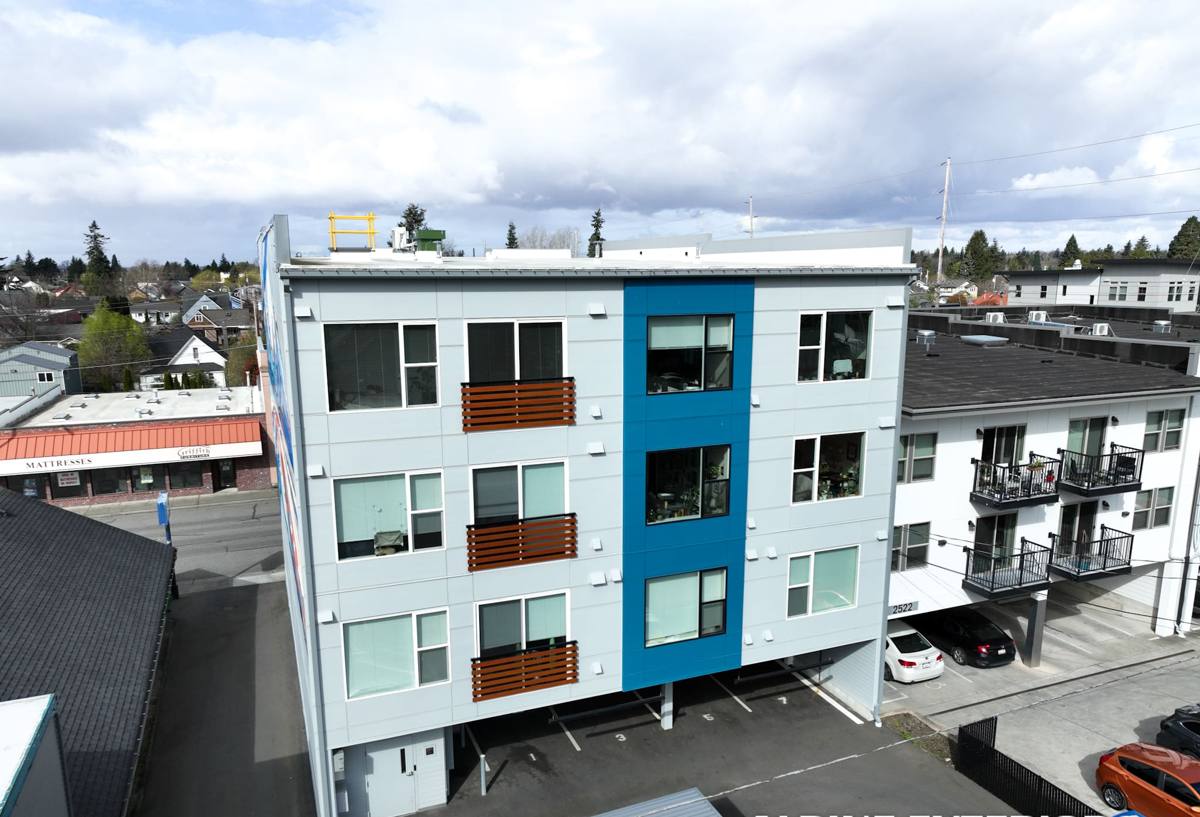
What a Correct Installation Actually Involves
Setting a window into an opening and running a bead of caulk around the outside is not installation — it is a shortcut that tends to fail within a few storm seasons. A correct job addresses what happens to the wall assembly behind the window, not just the window itself.
The details that matter most in this area
- Proper flashing sequence — sill pan, side flashing, and head flashing installed in the right order (shingle-lap style) so any water that gets past the exterior finish drains back out instead of soaking into the framing.
- Correct fastening and shimming — the window has to be plumb, level, and fastened per the manufacturer's schedule so it holds up under wind load without racking or bowing.
- Sealant that's rated for the exposure — sun-facing elevations break down cheap caulk fast; we use sealants suited to sustained UV and temperature swings.
- Insulation without over-packing — the gap between the window frame and rough opening gets insulated, but overfilling with expanding foam can bow the frame and cause the window to bind.
- Interior and exterior trim sealed as a system — not just caulked at the end, but detailed so water has a defined path out if it ever gets behind the trim.
Skip any one of these steps and the window itself can be excellent quality and still leak, sag, or let wind-driven rain into the wall cavity during the next tropical system.
Choosing Windows That Make Sense for This Neighborhood
There is no single "best" window for every home — the right choice depends on sun exposure, how close the home sits to open water, the age and construction of the house, and budget. What we won't do is push a product because it's cheap to install; we'll tell you the honest trade-offs.
| Frame Material | How It Handles This Climate | Maintenance |
|---|---|---|
| Vinyl | Good UV-stable formulations resist fading and don't corrode in salt air; performs well in most Braden River homes | Low — occasional cleaning, no repainting |
| Aluminum | Strong and slim-profile, but standard aluminum conducts heat and can pit or corrode near salt air over time unless properly coated | Moderate — watch for corrosion at coastal-facing exposures |
| Fiberglass | Very stable in heat and UV, holds paint well, strong against wind pressure; higher upfront cost | Low |
| Wood / Wood-clad | Attractive but the most vulnerable to humidity, wind-driven rain, and rot in this climate unless meticulously maintained | High — regular inspection and refinishing needed |
Glass matters as much as the frame. For sun-heavy elevations, a Low-E coated, dual-pane unit cuts down radiant heat and protects furniture and flooring from UV fading. For homes in the wind-borne debris region under the Florida Building Code, impact-rated glass (or an approved shutter system) is either required or strongly worth the upgrade — it protects the opening during a storm and, as a side benefit, cuts outside noise significantly on a normal day.
Impact-Rated vs. Standard Glass
Impact windows cost more up front but remove the need to install and store shutters or plywood before every storm, and many carry the load rating required by code in wind-borne debris zones without additional protection. Standard windows paired with code-compliant shutters can be a reasonable choice for homes outside that requirement, but it shifts the burden to whether shutters actually get put up before a storm arrives — which is a real factor worth being honest about.
Our Installation Process
The process is the same whether we're replacing one window or a whole house, just scaled up.
- On-site assessment. We look at each opening — not just measure it. We check for existing water damage, soft framing, and how the wall assembly is built before we ever quote a price.
- Accurate measurement and product selection. We walk through frame material, glass package, and grille or style options based on your home's exposure and your budget, without upselling features that don't fit your situation.
- Removal of the old window. Done carefully to protect interior and exterior finishes, with the opening inspected once the old unit is out — this is often when hidden rot or prior bad flashing gets found.
- Repair of any underlying damage. If the sheathing or framing needs attention, we address it before the new window goes in. Installing a new window over damaged framing just hides the problem.
- Flashing, setting, and fastening the new window to manufacturer specification and local code.
- Insulating, sealing, and trimming inside and out.
- Final check and cleanup — operation, seal, level, and a clean job site when we leave.
Signs Your Braden River Home Needs Window Attention
Most window failure is gradual, which is why homeowners often live with a problem for years before calling anyone. Here's what tends to show up first in this climate:
- Fogging or a milky haze between panes (the seal has failed and the insulating gas has escaped)
- Windows that are hard to open, close, or lock — often a sign the frame has shifted or swollen
- Soft or discolored wood, drywall, or trim around the window frame
- A noticeable draft or a whistling sound during windy conditions
- Rising cooling bills without a clear other cause
- Visible daylight or a gap around the frame from outside
- Chalky, pitted, or corroded hardware and frame finish, especially on sun- or wind-facing sides
Any one of these on its own might just need a repair. Several at once, or a window over 15–20 years old, usually means replacement is the more cost-effective path.
Permits and Code Requirements
Window replacement in Manatee County typically requires a permit, and installers should be pulling one — not skipping it to save time. Permitted work gets inspected, which is a built-in check that the flashing, fastening, and structural details were actually done correctly, not just that the window looks installed. If your home falls within a wind-borne debris region under the Florida Building Code, the permit process will also confirm the glass or protection system meets the required wind-load and impact standards for your specific location. Skipping the permit might save a little time up front, but it can create real problems at resale when a buyer's inspector or the county can't find a record of the work.
Why a Crew That Already Works Braden River Matters
A contractor who works this specific area regularly has already seen how homes here are built, what tends to fail first, and what the county's inspectors look for. That familiarity shows up in small but important ways: knowing which older homes are likely to have outdated flashing details, recognizing early salt-air corrosion on hardware before it becomes a bigger repair, and understanding how sun exposure differs from one side of a lot to another depending on tree cover and lot orientation near the river.
It also means being reachable after the job is done. Windows are a long-term investment — if a seal ever needs a warranty check or a storm reveals an issue, you want a crew that's still local and easy to reach, not one that did a single job in the area and moved on.
What Windows Cost — and What Drives the Price
Every home is different, so we won't quote a number without seeing the openings, but these are the main factors that move the price up or down:
| Cost Factor | Why It Matters |
|---|---|
| Number of windows | Per-unit pricing typically drops on larger jobs due to shared labor and setup |
| Frame material | Vinyl is generally the most budget-friendly; fiberglass and impact-rated units cost more |
| Glass package | Impact-rated and high-performance Low-E glass adds cost but reduces long-term storm-prep and energy expense |
| Window size and type | Larger openings, custom shapes, and operable styles (casement, sliding, awning) vary in labor and hardware cost |
| Condition behind the old window | Rot or framing repair found during removal adds cost but prevents a bigger problem later |
| Trim and finish work | Matching existing interior trim or upgrading exterior finish affects labor time |
We'll always walk through these factors with you before any work starts, so the quote makes sense and there are no surprises once the job is underway.
Let's Take a Look at Your Windows
If your Braden River home has windows that are fogging, sticking, drafting, or just past their reasonable lifespan, it's worth having a local crew take a direct look rather than guessing from the driveway. We'll give you a straightforward, no-pressure estimate — what we see, what we'd recommend, and why — using the form below.