 Bradenton Siding
 A Barrier Island Puts More Stress on Siding Than an Inland Lot Does
Bradenton Beach sits right at the edge of the Gulf, and that location changes what a home's exterior has to survive year after year. Homes a few miles inland in Manatee County deal with heat and humidity. Homes here deal with that plus near-constant salt-laden air, direct exposure to wind coming straight off open water, and the kind of driving rain that finds any weak seam in a wall system. Siding that would hold up fine in a subdivision off SR 64 can fail years early on a lot like this, and we've replaced enough of it to know the difference isn't the brand name on the product — it's whether the product and the installation were ever suited to this environment in the first place.
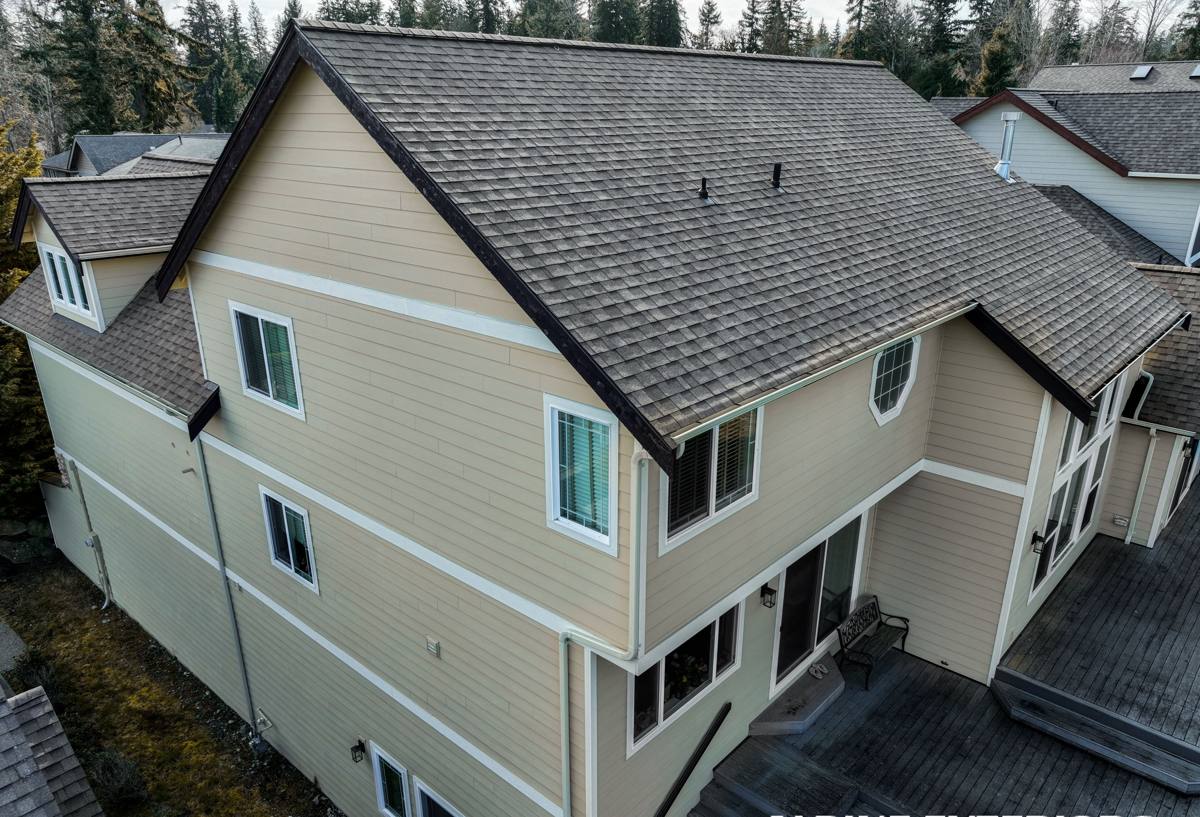
What This Climate Actually Does to a Wall System
Wind-Driven Rain Finds Every Gap
During tropical storms and the seasonal squalls that roll through the Gulf coast, rain doesn't just fall on siding — it's pushed sideways into it under pressure. Any panel, joint, or fastener pattern that wasn't installed with the right laps, clearances, and sealant becomes a path for water to get behind the cladding. Once moisture is behind the siding, the problem stops being cosmetic and starts being structural.
UV Load Breaks Down Weak Coatings Fast
Florida's sun is intense and consistent almost all year. Coatings and finishes that aren't formulated for that UV load chalk, fade, and crack well ahead of schedule. On a barrier island with almost no tree canopy to shade a home's exterior, that UV exposure is even more constant.
Salt Air Attacks Fasteners and Finishes
Airborne salt from the Gulf settles on every exterior surface nearby. It accelerates corrosion in fasteners and trim hardware, and it degrades paint films that weren't designed to handle a marine-adjacent atmosphere. This is a factor homes even a mile or two inland don't deal with to the same degree.
Why We Install Only James Hardie Fiber Cement
We made a standing decision not to install vinyl, LP SmartSide, primed wood, or other fiber cement brands like Cemplank or Allura. That's not a marketing position — it's a practical one built around jobs like the ones we see on Bradenton Beach. Vinyl can warp and become brittle under sustained heat and UV, and it isn't rated for high wind zones the way engineered fiber cement is. Wood-based products, including OSB-core siding, are vulnerable to moisture intrusion in exactly the conditions this coastline produces. Other fiber cement brands may be reasonable products, but we've standardized our crews, fastening schedules, warranty process, and finish system around one manufacturer so that every job we do is installed to a spec we fully control. On a barrier island where a poor installation shows its flaws faster than almost anywhere else in the state, that consistency matters.
The HZ5 Product Line: Built for This Exact Climate
James Hardie engineers its siding by climate zone, and homes in this part of Florida call for the HZ5 formulation, built specifically to resist high humidity, heavy moisture exposure, and pest activity common along the Gulf coast. The fiber cement composition itself is non-combustible and dimensionally stable, meaning it doesn't expand and contract with heat the way vinyl does, and it won't rot, delaminate, or provide a food source for termites and other wood-boring pests the way untreated wood products can. For a coastal property, that combination of moisture resistance and dimensional stability is the whole reason the product performs where others don't.
ColorPlus Factory Finish vs. Field-Painted Siding
The finish matters as much as the substrate underneath it. James Hardie's ColorPlus Technology is a baked-on, factory-applied finish, cured under controlled conditions before the boards ever reach a job site. That's a meaningfully different process than field-painting siding after installation, where coverage, cure time, and coating thickness are all subject to weather and site conditions on the day the crew paints. In a high-UV, high-salt environment, a factory-cured finish holds color and resists fading and chalking far longer than most field-applied paint jobs, and it comes backed by its own finish warranty separate from the substrate warranty.
| Factor | James Hardie (HZ5 + ColorPlus) | Vinyl Siding | Wood-Based / OSB Siding |
|---|---|---|---|
| Wind/impact resistance | Engineered for high-wind coastal zones | Can crack, warp, or blow off in sustained high wind | Panels can delaminate under wind-driven rain |
| Moisture behavior | Resists moisture intrusion; won't rot | Doesn't absorb water but traps it behind panels if breached | Absorbs moisture; prone to swelling and rot |
| UV/color stability | Factory-cured finish resists fading and chalking | Can fade and become brittle over time | Field paint fades faster; needs repainting |
| Fire resistance | Non-combustible | Combustible | Combustible |
| Typical repaint interval | Long-interval, factory-backed finish warranty | Doesn't repaint well; usually replaced | Frequent repainting required |
What a Correct Installation Actually Involves
The product is only half the equation. We see plenty of homes where James Hardie siding was installed but installed wrong, and the failures that follow aren't the product's fault — they're the installer's. A correct install on a coastal home in this area includes:
- Proper fastener type, spacing, and embedment depth per Hardie's published installation specs — not a generic nailing pattern
- Correct starter strip placement and butt joint treatment so panels don't trap water at the seams
- Flashing integrated at every window, door, and penetration before siding goes on, not caulked over after
- Compatible weather-resistive barrier underneath, matched to the wall assembly
- Minimum clearance maintained between the bottom of the siding and roof lines, decks, and grade
- Field-cut edges sealed or back-primed where the factory finish has been cut through
- Caulking only where Hardie's install guide calls for it — over-caulking traps moisture just as easily as under-caulking lets it in
Every one of these details is more forgiving on a low-exposure inland lot and less forgiving on a Gulf-facing home. That's the practical reason install quality matters more here than almost anywhere else in the county.
How Our Process Works, Start to Finish
- Initial walk-through: We inspect the existing siding, sheathing, and any signs of moisture damage or prior repairs before quoting anything.
- Scope and product selection: We confirm the right HZ5 profile, plank exposure, and ColorPlus color for the home, and explain trade-offs plainly.
- Tear-off and substrate check: Old siding comes off and we inspect the sheathing underneath for rot or prior water intrusion before anything new goes up.
- Weather barrier and flashing: House wrap and flashing details are installed or corrected at every penetration point.
- Installation to spec: Panels are fastened, lapped, and sealed according to Hardie's engineering guidelines for this wind zone.
- Final inspection and cleanup: We walk the completed job against the original scope before calling it finished.
Signs a Bradenton Beach Home Needs Siding Attention Now
- Visible warping, cracking, or bowing in panels, especially on Gulf-facing walls
- Chalky residue or noticeably faded color compared to less sun-exposed sides of the house
- Soft spots or discoloration near the bottom courses, around window trim, or near roof lines
- Rust streaking from fasteners or trim hardware
- Gaps opening up at butt joints or corner trim
- A musty smell or visible staining on interior walls that back up to exterior siding
Maintenance That Actually Extends the Life of the Job
Correctly installed James Hardie siding doesn't need much, but a coastal property benefits from a periodic rinse to clear accumulated salt residue, especially after long dry stretches followed by rain. It's worth a visual check after any major storm for loosened trim, cracked caulk joints, or debris impact damage, since catching small issues before the next storm season is far cheaper than repairing water damage that's had a year to spread. Beyond that, this siding system is built to be low-maintenance by design — that's a large part of why we standardized on it.
Why It Matters That We Already Work This Coastline
A crew that mostly works inland subdivisions doesn't necessarily think about barrier-island wind exposure, salt accumulation, or the flashing details that matter most a few blocks from open water. Working Bradenton Beach and the surrounding Manatee County coast regularly means we're not guessing at what this environment does to a wall system over time — we're installing to a standard built around it. That's the difference between siding that looks right for a year and siding that performs for decades.
If your Bradenton Beach home needs new siding or you want a second opinion on an existing installation, we're happy to take a look. Reach out for a free, no-pressure estimate using the form below.