 Bradenton Siding
 Siding Replacement Built for Cortez, Not a Generic Florida House
Cortez sits right up against the water on the west side of Manatee County, and that location changes what siding has to survive here compared to homes a few miles inland. Salt-laden air moves off the bay almost every day, humidity stays high for most of the year, and when a tropical system tracks through the Gulf, this stretch of coastline takes the wind and the wind-driven rain first. Siding replacement here isn't a cosmetic project — it's a decision about what's going to stand between your home and that environment for the next several decades.
We work on homes in Cortez regularly, which means we already understand the failure patterns specific to this pocket of Bradenton: fascia and lower wall panels that take the brunt of salt exposure, north and west-facing walls that catch the worst of wind-driven rain, and older siding that was never rated for the wind loads this coastline actually sees. This page walks through what a correct siding replacement involves here, what we look for before we ever quote a job, and why the material and the crew matter as much as each other.
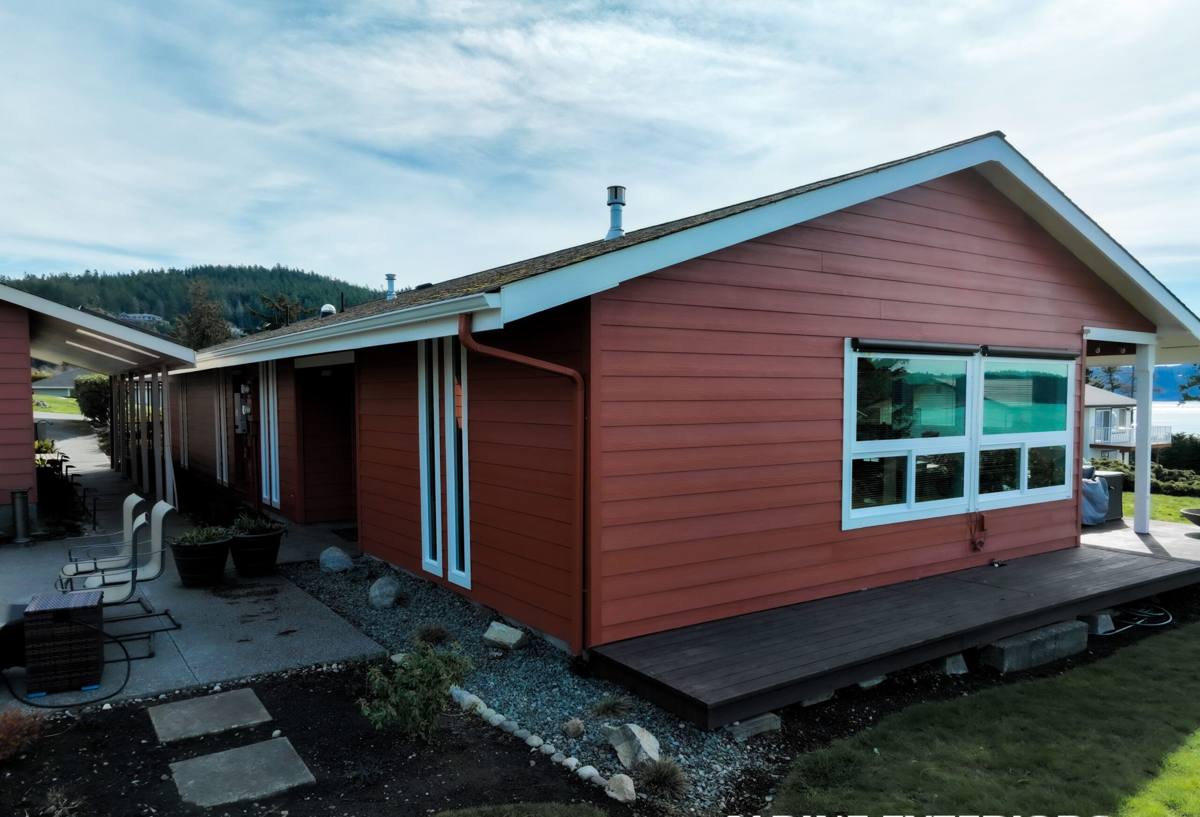
What Coastal Manatee County Actually Does to Siding
Salt Air and Humidity
Being close to open water means airborne salt settles on exterior surfaces constantly, not just during storms. Salt is corrosive to metal fasteners and trim, and it accelerates the breakdown of coatings and finishes that weren't engineered for a marine-adjacent climate. Combine that with humidity that rarely drops for long, and you get siding materials that stay damp longer after every rain, which matters a lot depending on what the siding is actually made of.
Wind-Driven Rain
Rain in Bradenton rarely falls straight down during the storms that matter. Tropical systems and seasonal squalls push rain sideways under wind pressure, which forces water into every gap, seam, and fastener penetration in a wall system. Siding that isn't installed with the right flashing, clearances, and water-management details will let that moisture behind the panels — and once moisture gets behind siding, the damage is usually happening in the wall sheathing long before it shows up on the surface.
UV and Heat
Year-round sun exposure fades paint, dries out caulk, and stresses any material that expands and contracts with heat. Siding that looks fine in year one can be chalking, cracking, or pulling away from trim by year five if the finish wasn't built for constant UV load.
Hurricane-Force Wind
Manatee County's building code requirements reflect real wind-load risk, and siding replacement is one of the few times a homeowner gets to actually upgrade that risk profile — assuming the new siding and its fastening schedule are installed to meet it, not just to look right.
Signs a Cortez Home Needs Siding Replacement, Not Another Repair
- Panels or boards that are soft, delaminating, or crumbling at the edges — a sign moisture has already gotten into the material
- Visible cupping, warping, or buckling, especially on walls facing prevailing wind and rain
- Paint that's failing every year or two no matter how often it's redone
- Rust streaks or corrosion around fasteners and trim
- Soft or discolored drywall, trim, or framing on the interior side of an exterior wall
- Visible gaps at seams, corners, or window and door trim that let light or air through
- Siding that's original to a home built before current wind-load standards were in place
One or two of these can sometimes be patched. Several at once, especially combined with interior signs of moisture, usually means the underlying wall system has been compromised and a full replacement is the honest recommendation — not a temporary fix that buys another season or two.
What a Correct Siding Replacement Actually Involves
Siding replacement isn't just removing old material and nailing up new panels. Done right, on a coastal Bradenton home, it involves several steps that don't show up in a quick quote but matter enormously for how the wall performs over time:
- Full tear-off and inspection — removing old siding to expose the sheathing and framing underneath, so hidden rot or water damage gets found and fixed before anything new goes up, not sealed behind it
- Sheathing repair — replacing any compromised wood before it's covered again
- Weather-resistive barrier — a continuous, correctly lapped moisture barrier that manages any water that gets past the siding itself
- Flashing at every penetration — windows, doors, hose bibs, vents, and any other wall penetration need proper flashing so wind-driven rain can't track behind the new siding
- Correct fastening schedule — fastener type, spacing, and embedment matched to the wind exposure category for this part of the county, not a generic pattern
- Proper clearances — siding kept off grade, roof lines, and other surfaces at the gaps the manufacturer specifies, so water can drain and the material can't wick moisture
- Finish and trim detailing — corners, joints, and trim sealed and finished so the whole system sheds water instead of trapping it
Skip any one of these steps and the siding might look right for a year or two, but the wall behind it is vulnerable — and in a climate that delivers salt air and wind-driven rain as a matter of routine, "looks right for now" isn't the standard worth building to.
Why We Only Install James Hardie Fiber Cement
We don't install vinyl, LP SmartSide, or other fiber cement brands, and that's a deliberate standard, not an accident of habit. On a home this close to open water, the material choice matters as much as the installation. James Hardie's fiber cement is non-combustible, doesn't rot or delaminate the way wood-based products can when moisture gets in, and holds up to sustained humidity and salt exposure better than vinyl, which softens and can warp under prolonged heat and impact stress.
Hardie's ColorPlus factory-applied finish is baked on and UV-cured specifically to resist the fading and chalking that constant Florida sun causes in field-applied paint. And Hardie engineers specific product lines — its HZ5 formulation among them — for high-humidity, high-moisture climate zones, which is exactly the zone Cortez sits in. It comes with a strong transferable warranty, which matters if you sell the home before the siding's functional life is up. We standardized on one manufacturer because it lets us guarantee the installation to a single, known spec every time, rather than juggling different moisture behaviors and fastening requirements across brands.
Our Siding Replacement Process
Every project follows the same sequence, whether it's a small coastal cottage or a larger home:
- On-site inspection of the current siding, trim, and any visible signs of moisture intrusion
- Honest assessment of whether repair or full replacement is the right call, explained in plain terms
- A written estimate covering material, labor, tear-off, and any sheathing repair contingencies
- Full tear-off, sheathing inspection and repair, and correct water-barrier and flashing installation
- Hardie panel or lap siding installation to manufacturer fastening and clearance specifications
- Final walk-through so you can see the work before we consider the job finished
Cost Factors for Siding Replacement in Cortez
Every home is different, but the factors that actually move the price are consistent. Rather than quote a number that won't mean much without context, here's what drives cost up or down on a typical coastal Manatee County home:
| Factor | Why It Matters |
|---|---|
| Extent of hidden sheathing damage | Coastal homes with a history of moisture intrusion often need more structural repair once old siding comes off |
| Home size and wall complexity | More corners, dormers, and trim details mean more labor and material waste |
| Siding profile chosen | Lap siding, panel systems, and shingle-style Hardie products differ in material and install time |
| Trim and accessory scope | Replacing fascia, soffit, and trim alongside siding adds cost but avoids mismatched future repairs |
| Existing wall prep condition | Homes needing full tear-off to bare sheathing cost more than those with a sound existing substrate |
| Access and site conditions | Waterfront lots, tight setbacks, or limited equipment access can affect labor time |
We walk through these factors on-site before writing a quote, so the number you get reflects your actual home, not a generic square-footage estimate.
Why Hiring a Crew That Already Works Cortez Matters
A siding crew that only occasionally works this side of Bradenton doesn't necessarily know which walls in a Cortez home take the worst of the salt exposure, or how the local wind exposure category affects fastening requirements. A crew that works this community regularly has already seen how the local climate ages different siding materials, knows what inspectors here expect to see on a replacement job, and can spot the moisture patterns specific to homes this close to the water before they become bigger problems. That familiarity translates into fewer surprises during tear-off and a wall system that's actually built for where it sits, not for a statewide average.
What to Look for in Any Siding Contractor
- Proper licensing and insurance, verifiable before work starts
- A written estimate that details tear-off, moisture barrier, flashing, and fastening scope — not just "siding replacement" as a single line item
- Willingness to explain what's happening at each step, including anything found once old siding comes off
- Manufacturer-specific installation knowledge for whatever product they're proposing
- A clear answer on warranty coverage — both material and workmanship
- References or past work you can actually verify, not just a claim
If your Cortez home is showing signs of siding failure, or you'd simply rather replace it on your own timeline than wait for a storm to force the issue, we're happy to take a look. Reach out for a free, no-pressure estimate using the form below.