 Bradenton Siding
 Windows Built for a Barrier Island, Not a Subdivision
Bradenton Beach sits on Anna Maria Island, right on the Gulf, which means the windows on these homes take a beating that inland Manatee County houses never see. Salt-laden air corrodes hardware and frames faster here than almost anywhere else in the region. Wind-driven rain finds its way through gaps that would never leak in a sheltered neighborhood. And direct, near-constant coastal sun breaks down seals, glazing compounds, and vinyl at an accelerated pace. A window that's "good enough" a few miles inland can fail within a handful of years on this island.
Custom windows aren't a luxury upsell out here — they're often the only realistic option. Older beach cottages, raised coastal homes, and additions built over the decades rarely have standard, off-the-shelf window openings. Rough openings are frequently out of square, sized to fit no longer-manufactured products, or shaped for architectural details you won't find in a catalog. Getting this right means measuring, building, and installing to the actual conditions of your house, not forcing a stock size into a space it doesn't belong in.
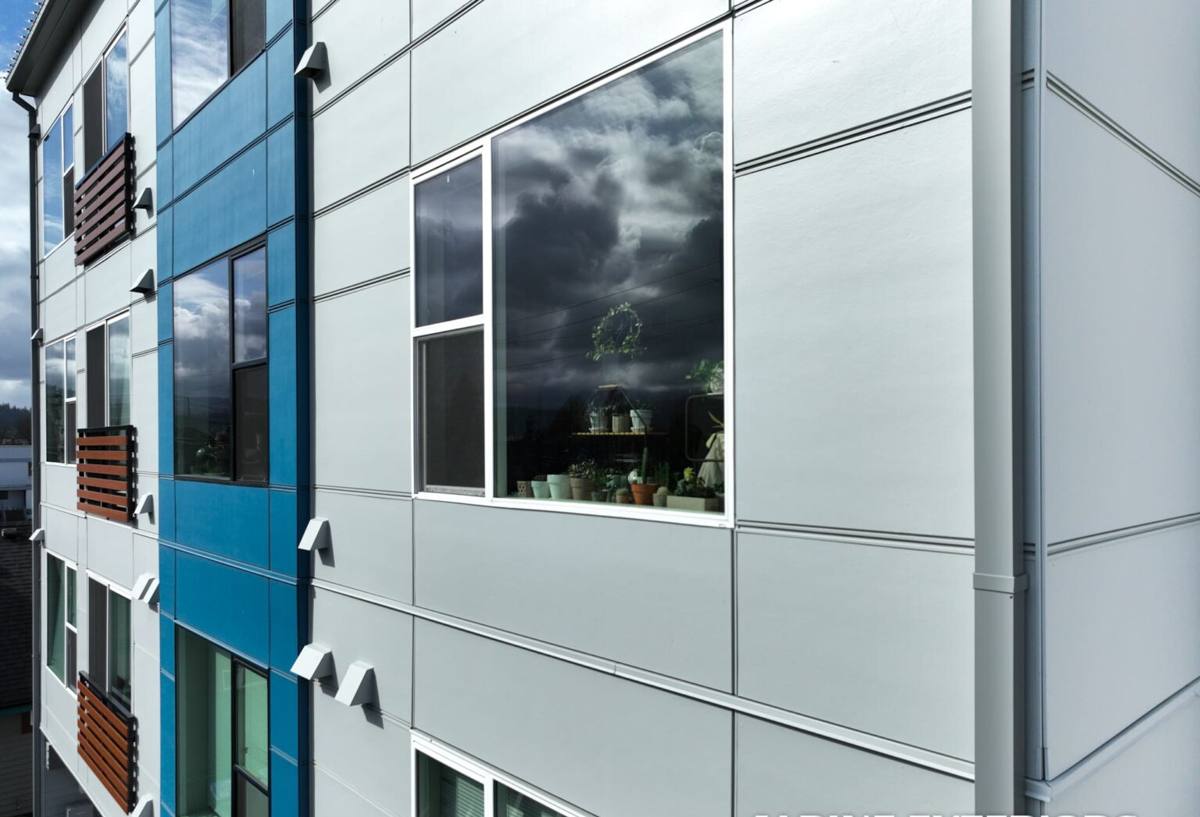
What "Custom" Actually Means for Your Home
When we say custom, we mean the window is specified and often manufactured to your exact opening — not picked from a limited size chart and shimmed into place. For Bradenton Beach homes, that typically covers:
- Non-standard or irregular rough openings common in older coastal construction
- Arched, angled, or specialty-shaped windows original to the home's design
- Matching sightlines and grid patterns across a home so replacement windows don't look mismatched next to originals
- Larger openings that need heavier-duty framing and reinforced anchoring for wind load
- Coordinating window selection with stucco, siding, or trim details so the finished opening looks intentional, not patched
Custom work costs more upfront than a stock window swap, and we'll tell you that plainly. What you're paying for is a window that actually fits and performs, instead of one that technically closes but leaks, whistles, or struggles in the next storm.
Impact-Rated vs. Impact-Resistant — Know the Difference
These terms get used loosely in the trade, and it causes confusion. "Impact-resistant" glass is laminated to resist penetration but isn't necessarily tested and rated to a specific standard. "Impact-rated" (or "impact-compliant") windows have passed large-missile and cyclic wind-pressure testing under ASTM E1996/E1886 and carry a Florida Product Approval (FL#) number. For a home in Bradenton Beach's wind-borne debris region, you want the second one — a product with an actual approval number you can verify, not just a sales claim.
Framing Material Comparison for Coastal Manatee County
Material choice matters more here than it does a few miles inland, mainly because of salt exposure and UV load. Here's how the common options actually hold up in this environment:
| Material | Salt Air Resistance | Maintenance | Typical Fit for Bradenton Beach |
|---|---|---|---|
| Vinyl (impact-rated) | Good — won't corrode or pit | Low — occasional cleaning | Strong value option; verify the frame is reinforced for large openings |
| Aluminum (marine-grade, powder-coated) | Fair — needs proper coating and upkeep | Moderate — coating should be inspected periodically | Common on older coastal homes; fine when the coating is maintained |
| Fiberglass | Very good — dimensionally stable, resists pitting | Low | Higher upfront cost, strong long-term performance in salt air |
| Wood (clad exterior) | Poor unless fully clad and sealed | High — regular sealant and finish checks | Best reserved for interiors or fully protected elevations |
We don't push wood without full exterior cladding on a barrier island home — bare or painted wood exposed to Gulf salt air and humidity is a maintenance commitment most homeowners underestimate, and moisture intrusion around wood frames is one of the most common callback issues in this trade generally. If you love the look of wood, a clad or interior-only application gets you the appearance without the exposure problem.
What Local Code Requires
Bradenton Beach falls within Manatee County's wind-borne debris region under the Florida Building Code, which means new and replacement windows generally need to meet impact protection requirements — either impact-rated glazing or approved shutter protection, along with wind-pressure ratings appropriate to the home's exposure category. Being this close to open water typically pushes a home into a higher wind-pressure design requirement than an inland property would face, which affects both the product spec and the anchoring method. Permitting is required for window replacement in most cases, and inspections verify the installed product matches its approval documentation. We handle the permit process as part of the job — it's not something we treat as optional or skip when a homeowner doesn't ask.
How We Approach a Custom Window Job
- On-site assessment. We measure every opening individually, check for square, and inspect the surrounding wall for moisture damage or rot before quoting anything.
- Product selection. We walk through impact-rated options that fit your budget, your home's style, and the wind-pressure requirements for your specific location on the island.
- Permitting. We pull the required Manatee County / Bradenton Beach permits and coordinate inspections so the job is documented and code-compliant.
- Removal and prep. Old windows come out carefully, and we address any water damage, rot, or flashing issues we find in the opening before anything new goes in — this step gets skipped by rushed crews more often than homeowners realize.
- Installation and anchoring. Windows are set, shimmed, and anchored to the rated specification for the opening, with sealants and flashing detailed for wind-driven rain, not just static leaks.
- Final inspection and walkthrough. We confirm operation, sealing, and finish work, and make sure you understand what maintenance the specific product needs going forward.
Signs Your Current Windows Are Failing on the Island
Coastal deterioration is often gradual enough that homeowners don't notice until it's a real problem. Watch for:
- Hardware — locks, cranks, hinges — that's stiff, corroded, or won't fully engage
- Visible pitting or white, chalky corrosion on aluminum frames
- Fogging or moisture between panes of double-glazed units, meaning the seal has failed
- Drafts, whistling, or daylight visible around the frame
- Water staining on interior sills or the wall below a window after storms
- Windows that are difficult to open or close, which often points to a settling or warped frame
- Chalking, fading, or brittleness in vinyl frames from sustained UV exposure
Any one of these on its own isn't necessarily urgent. Several of them together, especially on a Gulf-facing elevation, usually means the windows are past their useful life for this environment.
What Drives the Cost
There's no honest flat number for custom window work — too much depends on the specific home. What actually moves the price:
| Factor | Why It Matters |
|---|---|
| Opening size and shape | Non-standard or oversized openings require custom manufacturing, not stock sizing |
| Wind-pressure rating required | Higher-exposure locations on the island often need heavier-duty glazing and anchoring |
| Framing material | Vinyl, aluminum, and fiberglass carry different material and labor costs |
| Number of openings | Whole-house replacement typically has a better per-window cost than piecemeal jobs |
| Existing damage | Rot or moisture intrusion found during removal adds repair scope before installation can proceed |
| Permitting and inspection | Required on nearly all replacement jobs; included in a legitimate quote, not an add-on |
Be cautious of any quote that skips a permit line item entirely — on a barrier-island property, that's usually a sign the shutter or window won't have the paperwork to back its rating if you ever need it for a warranty claim or insurance documentation.
Why a Crew That Already Works Bradenton Beach Matters
Window installation on a barrier island isn't the same trade as window installation on the mainland side of the county. A crew that hasn't worked this specific environment regularly can underestimate how fast salt air degrades certain materials, misjudge the wind-pressure category for a Gulf-facing wall, or use flashing and sealant details that work fine inland but fail against wind-driven rain here. Familiarity with the Manatee County and Bradenton Beach permitting process also matters — it keeps the job moving instead of stalling on paperwork a crew has never dealt with before. We work this area regularly, which means we're not guessing at what holds up here; we're applying what we've already seen work and seen fail.
After Installation: Keeping Them Performing
Even a correctly installed, properly rated window needs some upkeep on the island. Rinse frames and hardware periodically to clear accumulated salt, especially after storms. Check weep holes for debris so water can drain as designed. Have hardware lubricated on a regular schedule, since corrosion accelerates faster here than in a typical inland home. None of this is heavy maintenance, but skipping it entirely shortens the life of even a good window in this climate.
If your windows are original to the home, showing wear, or you're planning a renovation that involves non-standard openings, we're happy to come take a look and give you a straight, no-pressure estimate — no obligation, just an honest read on what your home actually needs. Use the form below to get started.