 Bradenton Siding
 Windows Built for What Whitfield Estates Actually Deals With
Whitfield Estates sits close enough to the water that its homes take on a specific combination of stress most inland neighborhoods never see: salt-laden air, near-constant humidity, punishing summer UV, and the real possibility of hurricane-force wind and wind-driven rain during storm season. Older single-pane or early dual-pane windows in this part of Bradenton tend to show their age faster than the same product would fifty miles inland — seals fail sooner, aluminum frames pit and corrode, and glass that was never rated for coastal exposure lets in more heat than it should.
Energy-efficient windows done right for this neighborhood aren't just about a lower electric bill, though that's part of it. The bigger job is keeping heat, moisture, and wind-driven water out of a house that sits in one of the more exposed pockets of Manatee County. A window package chosen for a subdivision in central Florida isn't automatically the right call here — what performs well in Whitfield Estates has to hold up to salt air and storm pressure, not just look good on a spec sheet.
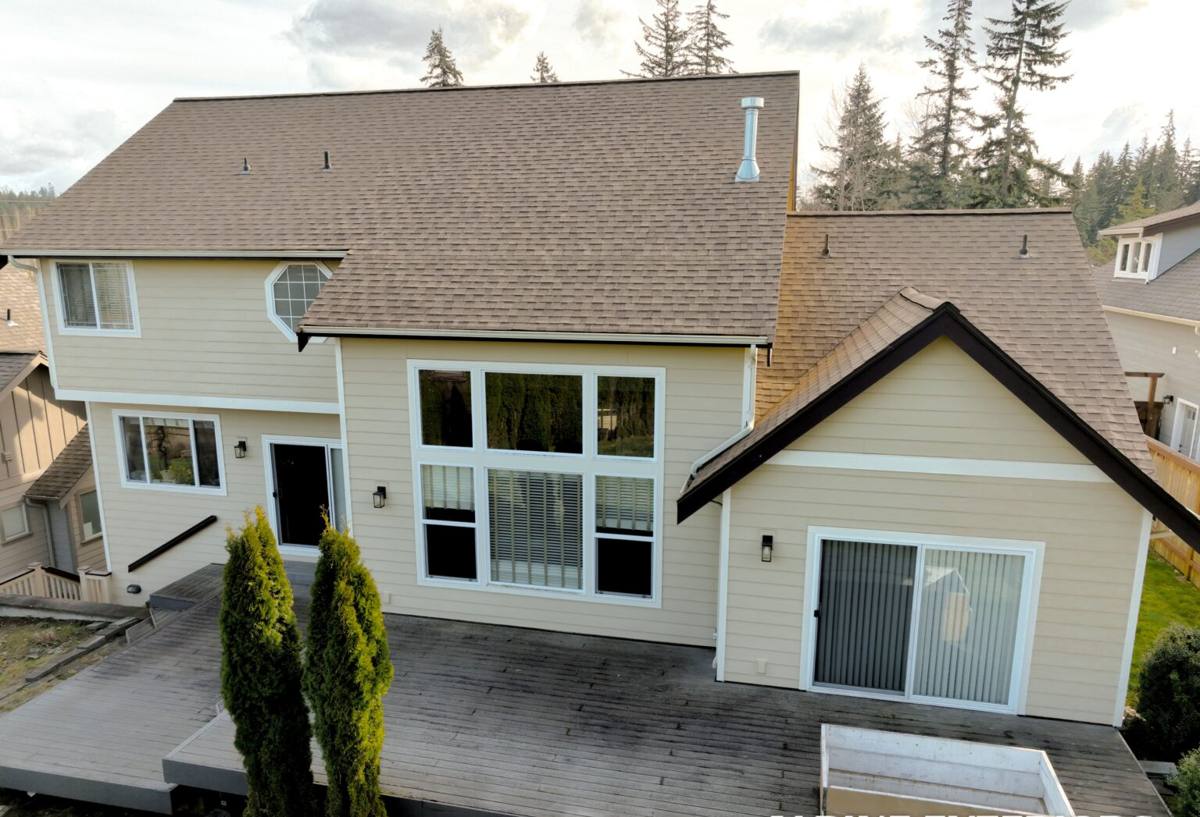
What "Energy-Efficient" Should Mean on a Coastal Florida Home
Energy efficiency in a window comes down to a handful of measurable properties, and homeowners are often sold on brand names or vague marketing language instead of the numbers that actually matter. For a Whitfield Estates home, the two ratings worth understanding are:
- U-Factor — measures how much heat transfers through the window. Lower is better for keeping conditioned air inside during our long cooling season.
- Solar Heat Gain Coefficient (SHGC) — measures how much solar heat passes through the glass. In a market with intense year-round sun, a low SHGC (typically achieved with a quality low-E coating) does more for comfort and cooling costs than almost any other single spec.
Beyond the glass package, the frame and installation matter just as much as the rating on paper. A window with excellent lab numbers that's installed with poor flashing or a gapped sill will leak air, let in humidity, and undercut every efficiency gain the glass was supposed to deliver. We treat the installation detail — not just the product selection — as part of the "energy-efficient" equation.
Impact Rating Isn't Optional Here
Given the wind exposure in this part of the county, we install impact-rated windows as a baseline, not an upgrade. Impact glass and reinforced frames protect against wind-borne debris during hurricane-force events, and because they're built with laminated glass and heavier framing, they also tend to run tighter and more efficient day-to-day than standard non-impact units. It's one of the few cases where the storm-protection choice and the energy-efficiency choice point in the same direction.
Signs Your Current Windows Are Working Against You
Most homeowners don't think about their windows until something goes wrong, but a few common signs point to windows that are actively costing money every month:
- Rooms near west- or south-facing windows feel noticeably hotter than the rest of the house in the afternoon
- Visible condensation or fogging between panes (a sign the seal has failed and the insulating gas is gone)
- Frames that feel warm to the touch on a sunny day, or aluminum frames showing white corrosion or pitting
- A noticeable draft or whistling sound during windy conditions
- Difficulty opening, closing, or locking — often a sign the frame has shifted or warped
- Cooling bills that climb faster year over year without a clear cause
Any one of these can usually be traced back to failed seals, degraded frames, or glass that was never rated for this climate to begin with. In salt-air neighborhoods like this one, corrosion and seal failure both tend to show up earlier than the manufacturer's general estimates would suggest.
What a Correct Installation Actually Involves
Swapping in a new window is straightforward. Swapping in a new window that actually performs for years in a coastal-exposure neighborhood takes more care. A correct job includes:
- Removing the old unit down to the rough opening — not just cutting out the sash and leaving the old frame in place, which traps old caulk, rot, or corrosion behind the new window.
- Inspecting the opening for water damage, rot, or deteriorated framing before anything new goes in. Installing over a compromised opening guarantees problems later.
- Proper flashing and weatherproofing around the entire opening, sequenced so water is directed out and down, never trapped behind the window.
- Correct shimming and leveling so the frame sits square — a racked frame stresses the seals and hardware prematurely.
- Sealing with the right materials for the substrate, not a generic caulk that will fail under UV exposure within a season or two.
- Interior and exterior trim-out that restores a clean, finished look and closes off any remaining gaps.
Skipping or rushing any one of these steps is the most common reason a "new" window still leaks air, lets in moisture, or fails early. The product matters, but the installation is what determines whether it actually delivers the efficiency and protection it was rated for.
Our Process for Whitfield Estates Homes
We keep the process straightforward and put the homework in before anything gets ordered:
1. On-Site Assessment
We walk the home, check existing window condition, note orientation and sun exposure on each elevation, and look for any signs of past water intrusion around openings.
2. Product Recommendation
Based on that walkthrough, we recommend frame material, glass package, and impact rating suited to the specific exposure of your home — a west-facing wall of glass and a shaded side entry don't need identical specs.
3. Measurement and Ordering
Precise measurements matter more than people expect; an opening that's off by a fraction of an inch can mean a window that never seals correctly no matter how well it's installed.
4. Installation
Full removal, opening inspection, flashing, leveling, sealing, and trim-out as outlined above — done by a crew, not subcontracted out piecemeal.
5. Walkthrough and Cleanup
We check operation on every window, confirm locks and seals, and clear the work area before we consider the job finished.
Comparing Common Window Options for This Climate
| Frame/Glass Option | Efficiency Performance | Coastal Durability | Maintenance |
|---|---|---|---|
| Vinyl frame, low-E impact glass | Strong — good U-factor, low SHGC available | Good; won't corrode, some UV expansion over decades | Low |
| Aluminum frame, standard glass | Weaker U-factor unless thermally broken | Prone to pitting and corrosion in salt air over time | Moderate to high |
| Fiberglass frame, low-E impact glass | Strong, dimensionally stable | Excellent; resists corrosion and UV degradation | Low |
| Wood-clad frame | Good if properly sealed | Requires diligent upkeep in humid, salt-air conditions | High |
We generally steer Whitfield Estates homeowners away from bare aluminum and unclad wood for exactly the reasons in that table — not because the material is inherently bad, but because the maintenance burden and corrosion/moisture risk in this specific coastal environment make it a harder product to stand behind long-term. Vinyl and fiberglass options with a quality low-E impact package tend to be the more honest recommendation for this exposure.
Checklist: What to Ask Before Hiring Anyone for Window Work
- Are they licensed to do window installation work in Florida, and can they show current insurance?
- Do they pull permits for window replacement, and are they familiar with Manatee County's permitting process?
- Can they explain U-factor and SHGC in plain terms, not just brand names?
- Do they remove the old frame down to the rough opening, or just replace the sash?
- Will they inspect the opening for water damage before installing?
- Do they install impact-rated products as standard for this area, given the wind exposure?
- Is the crew doing the install the same crew that quoted the job, or is it subcontracted out?
A contractor who already works regularly in Whitfield Estates and similar Bradenton-area neighborhoods will have answers to all of these without hesitation, because these are the exact conditions they deal with on every job in this part of Manatee County.
Permits, Code, and Neighborhood Considerations
Window replacement in Manatee County typically requires a permit, and impact-rated products need to meet the wind-load requirements applicable to your specific location. If Whitfield Estates has any deed restrictions or architectural guidelines through a homeowners' association, window appearance, grid patterns, or frame color may need approval before installation — it's worth checking before ordering product. We handle the permitting side of the job as part of the process so it isn't left for the homeowner to sort out separately.
Why Local Experience Matters for This Job
Window installation isn't the same job everywhere in Florida, let alone everywhere in the country. A crew that already knows the wind exposure, salt-air corrosion patterns, and permitting expectations specific to Bradenton and Manatee County isn't guessing at product selection or installation detail — they've already seen how different frame materials and sealing methods hold up in this exact environment over time. That experience shows up in fewer callbacks, fewer surprises, and windows that actually perform the way they're rated to for as long as they're expected to.
If you're weighing whether your current windows are worth repairing, replacing, or upgrading to an impact-rated package, we're happy to take a look and walk you through honest options for your specific home. Reach out for a free, no-pressure estimate using the form below.