 Bradenton Siding
 Siding Built for a Barrier Island, Not Just a Zip Code
Holmes Beach sits on Anna Maria Island, a slender barrier island facing the Gulf of Mexico in Manatee County. That location is what makes the town beautiful, and it's also what makes the exterior of a home here work harder than a house ten miles inland. Salt-laden air moves off the Gulf every day, sun exposure runs close to year-round, and when a tropical system tracks up the Gulf coast, these homes are among the first to feel the wind and rain. Siding installed for Holmes Beach has to be chosen and installed with that reality in mind from day one, not treated as an afterthought to color and style.
This page focuses on one job: siding installation for Holmes Beach homes. Not a general overview of siding, not a sales pitch — a straightforward look at what the local climate does to exterior walls, what a correctly installed system needs to include, and how we approach the work on this island.
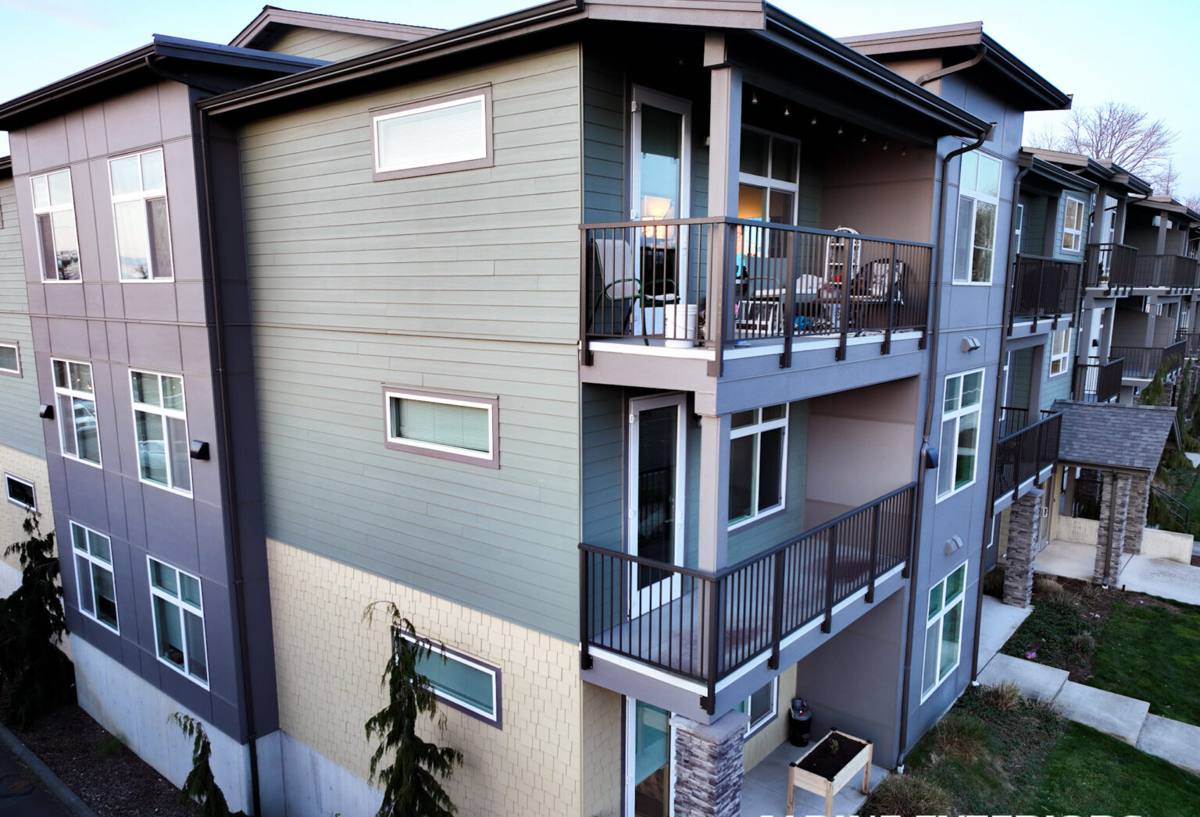
What Holmes Beach's Climate Actually Does to a Wall System
Salt Air
Airborne salt from the Gulf settles on every exterior surface on the island, day after day. On siding materials with metal fasteners, trim accessories, or moisture-sensitive substrates, that steady salt exposure accelerates corrosion and speeds up the breakdown of anything not built to handle it. It's a slower process than a storm, but it's constant, and it never takes a season off.
Intense, Near Year-Round UV
Florida sun is strong everywhere in the state, but a barrier island with open exposure and reflected light off the water gets more of it, more consistently, than shaded inland lots. UV breaks down pigments and surface coatings over time, which is why fading, chalking, and uneven color are common complaints with lower-grade siding products in this part of the state.
Wind-Driven Rain
Storms here rarely arrive with rain falling straight down. Wind pushes rain sideways and up under laps, trim, and penetrations, testing every seam in a siding system. A wall assembly that isn't detailed for wind-driven rain will eventually let moisture behind the cladding, even if the siding itself looks fine from the street.
Hurricane-Force Wind Loads
As a Gulf-facing barrier island community, Holmes Beach sits in a higher wind-design category than many inland Manatee County neighborhoods. Siding attachment, fastening pattern, and the underlying wall preparation all need to be engineered for sustained high wind and gusts, not just installed the way it might be handled in a calmer part of the county.
Why Material Choice Is the First Decision, Not an Afterthought
Before installation technique even enters the conversation, the material itself has to be able to hold up to salt, sun, and wind over decades, not just look good on installation day. This is why we install exclusively James Hardie fiber cement siding and do not offer vinyl, wood, or wood-composite alternatives. Here's how the common options actually compare in a coastal, high-wind environment like this one:
| Factor | Vinyl Siding | Wood / Untreated Composite | James Hardie Fiber Cement |
|---|---|---|---|
| Wind resistance | Can flex, crack, or blow off in sustained high wind and flying debris | Varies; fasteners and panels can loosen under repeated wind stress | Engineered and rated for high-wind coastal installation |
| Salt air / moisture behavior | Doesn't rot, but seams and fasteners are still vulnerable points | Absorbs moisture, prone to rot and swelling near the coast | Non-combustible fiber cement resists moisture-driven decay |
| UV / color stability | Fades and chalks with prolonged sun exposure | Paint breaks down faster in high-UV, humid conditions | Factory-applied ColorPlus finish engineered for UV and fade resistance |
| Fire resistance | Melts/deforms; not fire-resistant | Combustible | Non-combustible material |
| Typical maintenance | Low, but degrades and can't be repainted easily | Regular repainting, caulking, rot inspection | Periodic caulk/inspection; long intervals between repainting |
We're not here to tell a homeowner that every vinyl or wood product is a bad choice everywhere in the country. In a barrier island climate like Holmes Beach, though, we've made the professional decision that fiber cement is the material we're willing to warranty and put our name behind.
What a Correct Siding Installation Involves
Fiber cement siding only performs the way it's supposed to if the installation matches the product's engineering. A correct job for a Holmes Beach home includes:
- Weather-resistive barrier installed and lapped correctly beneath the siding, giving the wall a secondary drainage plane if any moisture gets past the cladding.
- Flashing at every penetration — windows, doors, hose bibs, vents — since wind-driven rain finds any gap in the flashing detail.
- Correct fastening pattern and fastener type for the local wind category, using fasteners rated to resist the corrosive effects of salt air.
- Proper clearance between siding and grade, decks, and roof lines to avoid trapping moisture against the bottom edge of the panels.
- HardieZone HZ5 product selection — James Hardie engineers specific formulations for regions with higher humidity, more direct sun, and wind exposure, and HZ5 is built for exactly that kind of climate.
- Manufacturer-specified caulking and joint treatment at butt joints and trim intersections, since a poorly caulked joint undermines an otherwise correct installation.
Skipping any one of these steps doesn't usually show up as a problem on day one. It shows up two, five, or ten years later as water intrusion, soft trim, or siding that comes loose in a storm — which is exactly the kind of failure that's expensive to trace and repair after the fact.
Our Process for Holmes Beach Homes
- On-site assessment. We look at the current siding condition, the underlying sheathing where accessible, existing flashing and trim, and any signs of past moisture intrusion — common on older coastal homes that have been through multiple storm seasons.
- Written scope and product selection. We walk through the HardieZone HZ5 product line, profile, and color options, and put the install scope in writing before any work begins.
- Removal and substrate prep. Old siding comes off, the sheathing is inspected and repaired as needed, and any water-damaged framing is addressed before new material goes on — covering up a problem is not an option we'll take.
- Weather barrier and flashing installation. This step is what makes the visible siding actually perform in wind-driven rain, and it happens before a single piece of Hardie panel goes up.
- Siding installation to manufacturer and wind-zone specification. Fastening pattern, spacing, and joint treatment follow James Hardie's published requirements for this region.
- Final inspection and walkthrough. We review the completed work with the homeowner and confirm trim, caulking, and finish details before calling the job done.
Choosing a Siding Contractor for a Barrier Island Home
Not every siding crew that works in Manatee County has real, repeated experience with barrier island conditions. Before hiring anyone for a Holmes Beach project, it's worth asking:
- Do you have current experience installing on Anna Maria Island specifically, not just the mainland?
- What fastening pattern and fastener material do you use for this wind zone?
- Which HardieZone product line do you install here, and why?
- Do you install and detail the weather-resistive barrier and flashing yourselves, or subcontract that step out?
- Can you explain, in plain terms, how your installation handles wind-driven rain — not just wind speed?
- Are you licensed and insured to work in Manatee County, and can you provide proof before work starts?
A contractor who can answer these clearly and specifically, without hesitation, is telling you something real about how they approach the work.
Maintenance and Long-Term Care in a Salt-Air Environment
Even a correctly installed fiber cement system benefits from basic upkeep on a barrier island. A periodic rinse to clear accumulated salt residue, a visual check of caulked joints and trim after major storms, and prompt attention to any soft spots near ground level or roof intersections go a long way. James Hardie's ColorPlus finish is engineered to hold up under this kind of UV and salt exposure far longer than field-applied paint, which cuts down on the repainting cycle that wood siding demands in this climate — but "low maintenance" doesn't mean "no maintenance," and a home exposed to daily Gulf air will always benefit from an occasional look.
Why Local Experience on Anna Maria Island Matters
Siding installation done to a generic inland standard doesn't hold up the same way on a barrier island. A crew that already understands how wind behaves around Holmes Beach's lower-elevation, closely-spaced construction, how salt air accelerates wear on fasteners and trim, and how local wind-design requirements shape a correct fastening schedule is going to make different, better decisions on your job than a crew installing siding here for the first time. That kind of judgment isn't something a manufacturer's install manual alone can teach — it comes from doing the work in this specific environment, repeatedly, and paying attention to what holds up and what doesn't.
If you're planning a siding project for a Holmes Beach home, we're glad to walk the property, talk through the HardieZone HZ5 options, and put together a clear, no-pressure estimate — just fill out the form below to get started.