 Bradenton Siding
 Siding on a Barrier Island Home Has a Harder Job to Do
Holmes Beach sits on Anna Maria Island, right on the Gulf of Mexico in Manatee County, and that location changes what "good siding" means. A house three miles inland deals with Florida heat and the occasional storm. A house in Holmes Beach deals with all of that plus constant salt-laden air, wind-driven rain that gets pushed sideways into every seam and joint, and direct exposure during the worst of hurricane season. Siding here isn't just a look — it's the first line of defense against a genuinely tougher environment, and it needs to be chosen and installed with that in mind.
We install only James Hardie fiber cement siding, and on barrier island homes like the ones in Holmes Beach, the reasons for that go beyond preference. This page covers what the local climate actually does to a home's exterior, what correct Hardie installation looks like out here, and why working with a crew that already knows this specific stretch of coastline matters as much as the product itself.
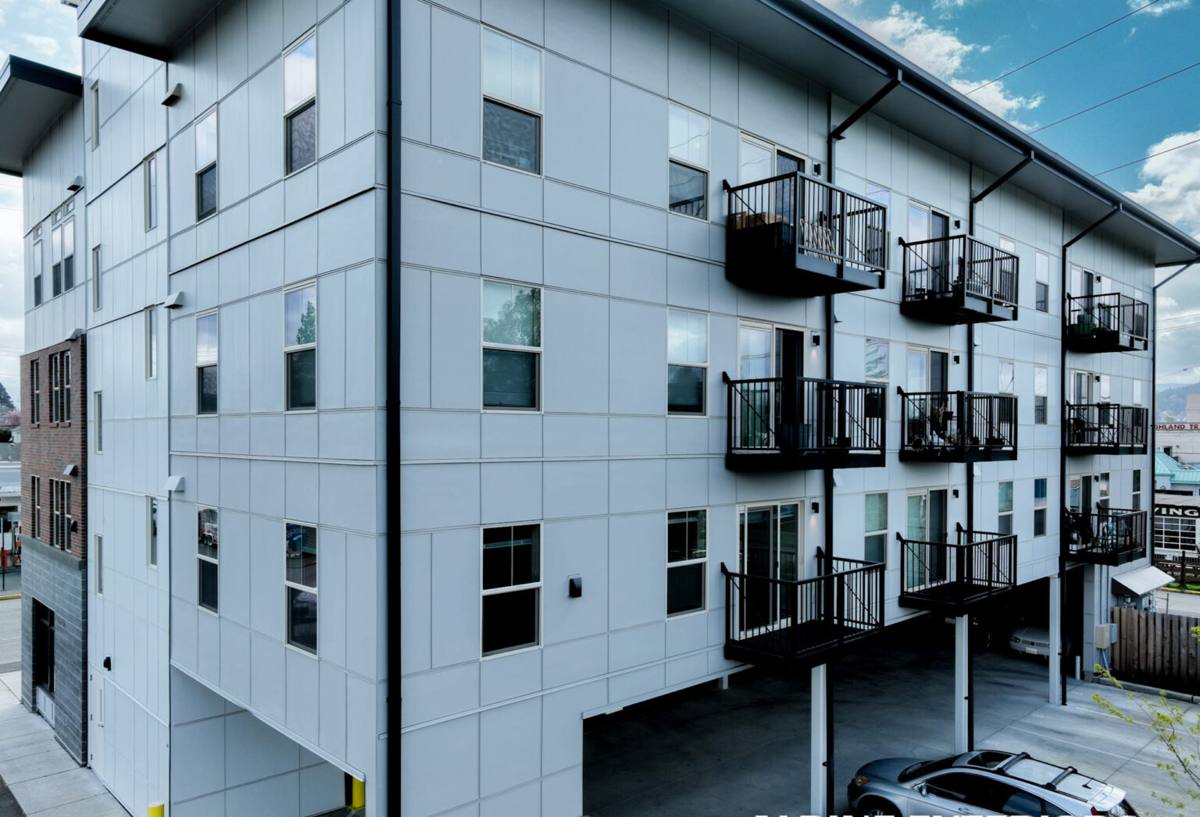
What Holmes Beach's Climate Does to Exterior Materials
Salt Air, Every Single Day
Even on a calm day, the air moving off the Gulf carries salt. Over months and years, that salt settles on every exposed surface and accelerates corrosion on fasteners, trim, and any hardware that isn't rated for it. It also breaks down paint films and finishes faster than the same products would fail further inland, which is why so many older homes near the water show chalking, fading, and peeling well ahead of their expected paint life.
Wind-Driven Rain
Rain in Holmes Beach rarely falls straight down. Gulf-driven wind pushes it sideways and up under laps, trim, and penetrations, which means the water management behind the siding — flashing, house wrap, joint treatment — has to work as hard as the siding itself. A product that looks fine on the surface but was installed without attention to drainage will hide moisture problems until they show up as rot, stains, or mold on the interior side of the wall.
Intense, Year-Round UV
Florida sun is strong and consistent almost every month of the year. Painted wood and lower-grade composite products lose their finish faster under that kind of exposure, which turns into a repainting cycle homeowners end up repeating every few years — a cycle that only gets more difficult and expensive on a home this close to salt spray.
Hurricane-Force Wind
Manatee County's coastal areas, including the barrier islands, are designed to higher wind-speed standards than inland construction, and for good reason — Holmes Beach takes tropical storm and hurricane impacts directly. Siding on a home like this has to stay fastened and intact under sustained wind loads and wind-driven debris, not just look good on a clear day.
Why James Hardie Fits This Environment
James Hardie fiber cement is manufactured in HardieZone formulations matched to specific climates, and the entire state of Florida falls into the HZ5 zone — engineered for high humidity, heavy rain, and salt exposure. That's not a marketing detail; it affects the cement formulation itself, aimed at resisting moisture-related damage in exactly the conditions Holmes Beach sees.
Fiber cement is also non-combustible, holds paint and factory finish far longer than wood or many composite products in coastal UV and salt exposure, and doesn't rely on a field-applied paint job to hold up over time — ColorPlus factory-baked finish is formulated to resist fading and chipping better than site-applied paint, which matters when repainting a home is harder and more expensive this close to the water. We don't install vinyl, LP SmartSide, Cemplank, Allura, or primed wood siding, not because those products have no merit anywhere, but because on homes exposed to this kind of salt air and wind, we've standardized on the one system we're confident will perform to the standard we're willing to put our name on.
What a Correct Installation Involves Here
Buying the right siding material is only half the job. On a barrier island home, the installation details are where a project either holds up for decades or starts causing problems within a few years. A correct James Hardie install in Holmes Beach includes:
- Fasteners rated for corrosion resistance — standard fasteners degrade far faster in salt air and can stain or fail prematurely
- A fastening schedule that meets the wind-load requirements for this part of Manatee County, not a generic inland spacing pattern
- Proper house wrap and flashing details at every window, door, and penetration, installed to shed wind-driven rain rather than trap it
- Correct clearance between the bottom of the siding and the roofline, decks, and grade to prevent standing moisture from wicking into the board
- Sealants and caulk compatible with fiber cement's expansion and contraction, applied only where Hardie's specifications call for it — not everywhere as a blanket fix
- Proper joint and butt-seam treatment so water can't work its way behind the cladding at the seams
Skipping any one of these doesn't usually show up on day one. It shows up two, five, or ten years later as a moisture problem, a fastener failure, or a section of siding that comes loose in a storm — which is exactly the kind of failure that's expensive and disruptive to fix after the fact, versus inexpensive to prevent during installation.
Our Process for a Holmes Beach Project
- On-site assessment. We look at your home's current siding, framing condition, elevation, and exposure to wind and water before recommending anything.
- Product and color selection. We walk you through the Hardie lines and ColorPlus options that fit your home's style and this climate, including trim and accent choices.
- Removal and prep. Old siding comes off, the substrate gets inspected for hidden moisture or rot, and any needed repairs happen before new siding goes on — not after.
- Installation to Hardie's specifications and local wind-load requirements. Fastening, flashing, and clearances are done to spec, not to whatever's fastest.
- Final walkthrough and cleanup. We inspect the finished work with you and leave the site clean.
Why a Crew That Already Works Holmes Beach Matters
Barrier island projects come with logistics that inland jobs don't. Material staging, parking, and access on Anna Maria Island are tighter than on the mainland, and a crew that's already worked in Holmes Beach knows how to plan around that instead of losing days figuring it out on the fly. Many homes here are also elevated on pilings for flood compliance, which changes how siding meets the structure at the base and around the crawlspace or ground floor — details that matter for keeping wind-driven rain and moisture out.
Permitting is another place local experience pays off. Barrier island communities like Holmes Beach often have their own building department processes and, in many neighborhoods, HOA or architectural review requirements on top of the county's. A crew that's pulled permits here before moves through that process faster and avoids the delays that come from learning it mid-project. And because this coastline sees real hurricane risk, a crew that's local also understands how to schedule and sequence work responsibly around storm season, rather than leaving a house partially opened up at the wrong time of year.
What Affects Scope and Cost on a Holmes Beach Home
Every home is different, so we don't quote sight unseen — but these are the main factors that move a project up or down in scope:
| Factor | Why It Matters Here |
|---|---|
| Home elevation (on pilings vs. slab) | Elevated homes have more transition points and trim work where siding meets the structure and stairs or landings |
| Existing siding material | Removing old wood, vinyl, or stucco accents takes different labor and disposal than a straightforward re-side |
| Substrate condition | Hidden moisture or rot from years of coastal exposure may need repair before new siding goes on |
| Trim, soffit, and accent complexity | Coastal architectural styles often include more trim detail, which adds labor time |
| Color and finish selection | Factory ColorPlus finishes vary in price by color depth and line |
| Site access and staging | Tighter lots and island access can affect delivery and setup logistics |
Maintaining Hardie Siding in a Salt-Air Environment
James Hardie siding is low-maintenance compared to wood or repainted composite products, but "low-maintenance" doesn't mean "no maintenance" this close to the Gulf. A simple seasonal routine keeps it performing the way it's supposed to:
- Rinse the exterior periodically with a garden hose to clear accumulated salt residue, especially on Gulf-facing walls
- Inspect caulking and sealant joints annually and re-caulk any that have cracked or pulled away
- Check for and clear any debris buildup at the base of the siding and around trim after storms
- Have fasteners and flashing points inspected periodically, since these are the components most affected by salt exposure over time
- Address any impact damage from wind-blown debris promptly rather than leaving a gap in the siding's water management
None of this is heavy work, but skipping it in a coastal environment shortens the life of even a well-installed system.
Let's Look at Your Home
If you're weighing a re-side in Holmes Beach, we're glad to come take a look, walk you through what your home specifically needs, and give you a straightforward, no-pressure estimate — no invented urgency, just an honest read on your siding's condition and what correct James Hardie installation would involve for your property.