 Bradenton Siding
 Windows in Mill Creek Work Harder Than Windows Almost Anywhere Else
If you own a home in Mill Creek, your windows are dealing with a combination of stresses that most window manufacturers never designed for on a national scale. Hurricane-force wind gusts push and pull on the frame and glass. Wind-driven rain finds any gap in the flashing or sealant. Salt air off the Gulf slowly corrodes hardware and finishes that would last decades in a drier, inland climate. And on top of all that, Bradenton gets intense UV exposure nearly every day of the year, which breaks down cheap seals, weatherstripping, and low-grade vinyl faster than most homeowners expect.
"Energy-efficient" windows sold at a big box store are usually tested and rated for a generic climate zone, not for coastal Manatee County conditions. A window that saves energy in a lab test but fails to hold up structurally, or lets moisture behind the frame within a few years, isn't actually saving you anything — it's a future repair bill. This page focuses specifically on what energy-efficient window replacement needs to look like for Mill Creek homes, not windows in general.
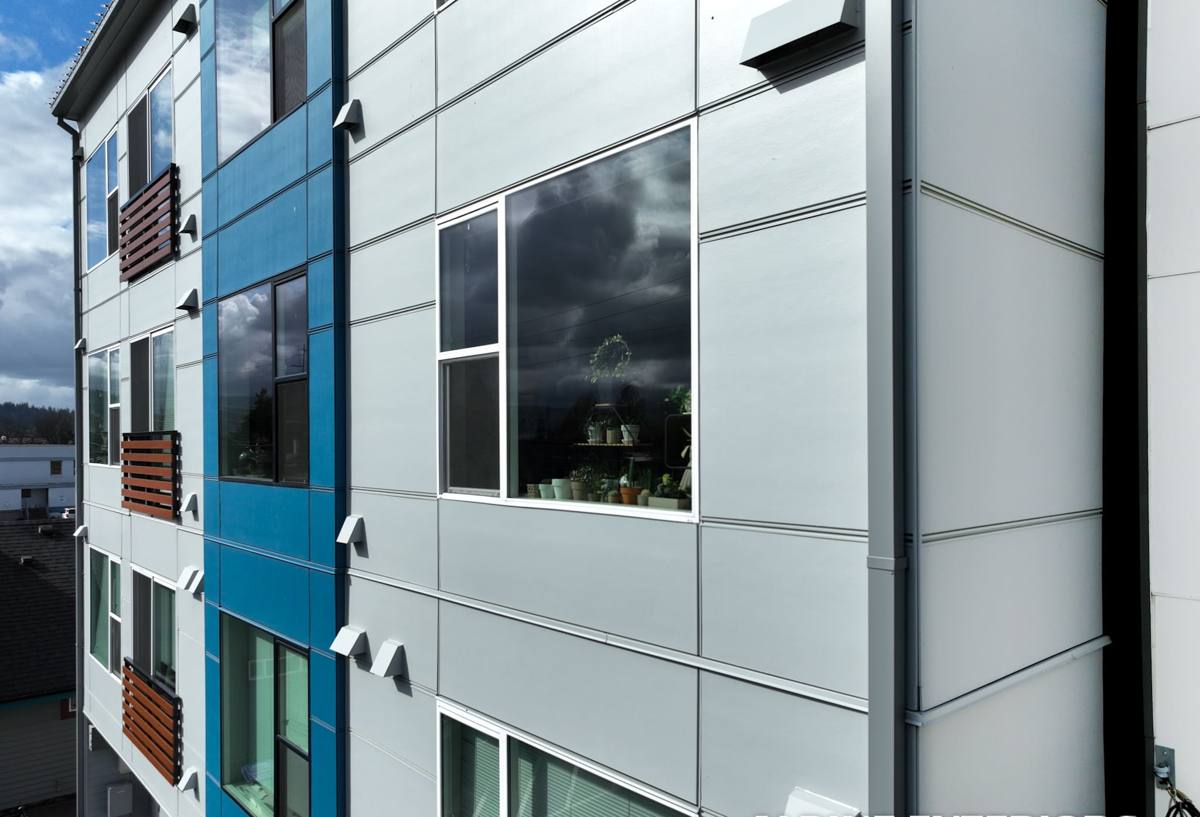
What "Energy-Efficient" Should Actually Mean Here
Energy efficiency in a Gulf Coast climate isn't just about keeping cool air in during summer. It's about the whole assembly — glass, frame, and installation — working together to resist heat gain, block UV, shed wind-driven rain, and stay sealed under wind pressure without warping or leaking over time.
Glass Package
Impact-rated laminated glass is the standard we recommend for Mill Creek, and it does double duty: it meets Florida's wind-borne debris requirements in areas that require it, and the laminated interlayer also blocks a significant amount of UV and reduces solar heat gain compared to standard single-pane glass. Low-E coatings further cut down on radiant heat transfer, which matters a lot when the sun is beating on a west- or south-facing wall for most of the day.
Frame Material
Frame material affects both energy performance and how well the window survives salt air over the years. Vinyl, fiberglass, and aluminum all perform differently in terms of thermal expansion, corrosion resistance, and long-term structural stability. We'll walk you through the honest trade-offs for your specific home rather than pushing one product line for every job.
Installation Quality
Even the best-rated window on paper will underperform — or fail — if it's not installed correctly. Flashing, sealant compatibility, fastening pattern, and shimming all affect both energy performance and how the window holds up to wind and water intrusion. This is the piece that's easiest to get wrong and hardest for a homeowner to inspect after the fact, which is why installation quality matters as much as the product itself.
Signs Your Current Windows Are Costing You Money
Homeowners in Mill Creek often don't realize how much an aging or poorly installed window is costing them until they start comparing energy bills or notice damage. Some common signs worth paying attention to:
- Rooms near certain windows feel noticeably hotter than the rest of the house during peak sun hours
- Condensation or fogging between panes, which usually means the seal has failed
- Visible gaps, soft spots, or discoloration in the frame or surrounding drywall/stucco
- Difficulty opening, closing, or locking the window smoothly
- A musty smell or visible staining near the window after heavy rain
- Noticeably higher cooling costs compared to similar homes nearby
Any one of these on its own might not mean a full replacement is needed, but a few together are usually a sign the window assembly is no longer doing its job.
What a Correct Energy-Efficient Window Job Actually Involves
Product Selection Matched to Exposure
Not every window on your home faces the same conditions. A window on a covered lanai wall doesn't need the same spec as one facing open exposure to prevailing winds and driving rain. Part of doing this correctly is matching the glass package, frame strength, and impact rating to each specific opening rather than treating the whole house as one uniform spec.
Removal Without Hidden Damage
Removing an old window the right way means checking what's underneath — sill condition, framing, and any existing water damage — before a new unit goes in. Installing a new energy-efficient window over an already-compromised opening just seals the problem behind new trim.
Flashing and Moisture Management
This is where a lot of window jobs quietly fail. Proper flashing integrates with your home's existing water management layer so that wind-driven rain sheds outward instead of tracking behind the window frame. Sealants also have to be compatible with your specific siding or stucco system — using the wrong product here can trap moisture instead of keeping it out.
Fastening for Wind Load
Attachment method and fastener spacing are engineered to the window's wind load rating for your specific exposure category. This isn't a place to save time — under-fastening is one of the most common causes of window failure during a serious storm.
Final Seal and Interior Finish
The last step is sealing and finishing the interior and exterior so the assembly is fully weathertight, with attention to caulking lines and trim that will hold up to UV exposure without cracking or yellowing prematurely.
Comparing Frame Options for Coastal Exposure
There's no single "best" frame material for every home — it depends on your budget, the window's exposure, and how much long-term maintenance you're willing to take on. Here's an honest comparison of the main options we discuss with Mill Creek homeowners:
| Frame Type | Salt Air / Corrosion Resistance | Thermal Performance | Maintenance |
|---|---|---|---|
| Vinyl | Good — won't corrode, but can discolor with heavy long-term UV exposure | Strong; low thermal conductivity | Low — occasional cleaning |
| Fiberglass | Very good — dimensionally stable, resists warping and corrosion | Strong; performs well across temperature swings | Low |
| Aluminum | Requires a quality finish/coating to resist salt corrosion long-term | Weaker unless thermally broken | Moderate — watch for pitting near the coast |
| Wood-clad | Vulnerable without excellent cladding and sealing | Strong when well-built | Higher — more upkeep in humid, salty air |
For most Mill Creek homes with direct or partial coastal exposure, we lean toward vinyl or fiberglass because they hold up with the least maintenance burden. If you already have wood-clad or aluminum windows you want to keep for appearance reasons, we'll talk through what upkeep that actually requires so there are no surprises.
Our Process for Mill Creek Window Projects
1. On-Site Assessment
We look at each window opening individually — exposure direction, current condition, any existing water intrusion, and how the opening ties into your siding or stucco system.
2. Product Recommendation and Straightforward Pricing
You'll get options with honest trade-offs explained — not just one "recommended" package. We'll tell you where spending more actually buys you something and where it doesn't.
3. Precise Measurement and Ordering
Openings are measured carefully since even small errors lead to gaps that undermine both energy performance and weather resistance.
4. Installation
Old units are removed, the opening is inspected and prepped, and new windows are flashed, fastened, and sealed to spec — not just set in place and caulked around the edges.
5. Walkthrough and Cleanup
We walk the finished work with you, operate every window, and make sure the site is left clean before we consider the job done.
Why a Crew That Already Works in Mill Creek Makes a Difference
A contractor who regularly works in Mill Creek and the surrounding Bradenton area already understands the local exposure conditions, the kind of siding and stucco systems common to the neighborhood, and how homes here typically hold up over time to salt air and storm season. That familiarity means fewer surprises once a wall is opened up, and fewer generic assumptions carried over from jobs done in a completely different climate.
It also means we're accountable locally. We're not passing through — we're doing work in Manatee County that our own reputation depends on holding up through the next hurricane season, not just looking good on install day.
A Practical Checklist Before You Choose a Window Contractor
- Ask what wind load and impact rating the proposed windows carry, and confirm it matches your home's exposure category
- Ask specifically how flashing and sealant will integrate with your existing siding or stucco
- Get the fastening method and spacing explained, not just glossed over
- Confirm whether permits and inspections are included and handled by the contractor
- Ask about warranty coverage on both the product and the labor/installation separately
- Get everything in writing before work starts — verbal promises don't help you later
Maintenance That Actually Extends the Life of Your Investment
Even a well-installed, well-chosen window benefits from basic upkeep in this climate. Rinsing salt residue off frames and hardware periodically, keeping weep holes clear of debris so water can drain properly, and doing a visual check of exterior caulking each year — especially after a rough storm season — go a long way toward avoiding early failures. None of this is complicated, but it's easy to overlook until a small issue becomes an expensive one.
Let's Talk About Your Windows
Every home in Mill Creek has its own mix of sun exposure, wind exposure, and existing window condition, so there's no substitute for having someone look at your specific situation. If you'd like a straightforward, no-pressure estimate on energy-efficient window replacement for your home, fill out the form below and we'll get in touch to schedule a time to take a look.