 Bradenton Siding
 Storm Damage Roof Repair Built for Mill Creek's Weather
Mill Creek sits inland from the coast but still takes the full brunt of what a Florida storm season brings — gusting tropical-storm and hurricane-force winds, sideways rain that finds every gap in flashing, and long stretches of intense UV that quietly age roofing material between storms. A roof here doesn't fail all at once. It fails in stages: a few lifted shingles during one system, a soft spot where wind-driven rain got behind the underlayment during the next, and eventually a leak that shows up on the ceiling long after the storm has passed. Storm damage roof repair in this neighborhood isn't a one-size-fits-all service — it has to account for how Manatee County weather actually works a roof over time, not just what happened during the last named storm.
We work on Mill Creek roofs regularly, which means we're not learning the neighborhood's roof types, ages, and common trouble spots on your dime. That familiarity changes how fast we can diagnose a problem and how confident we can be that we've found all of it, not just the obvious part.
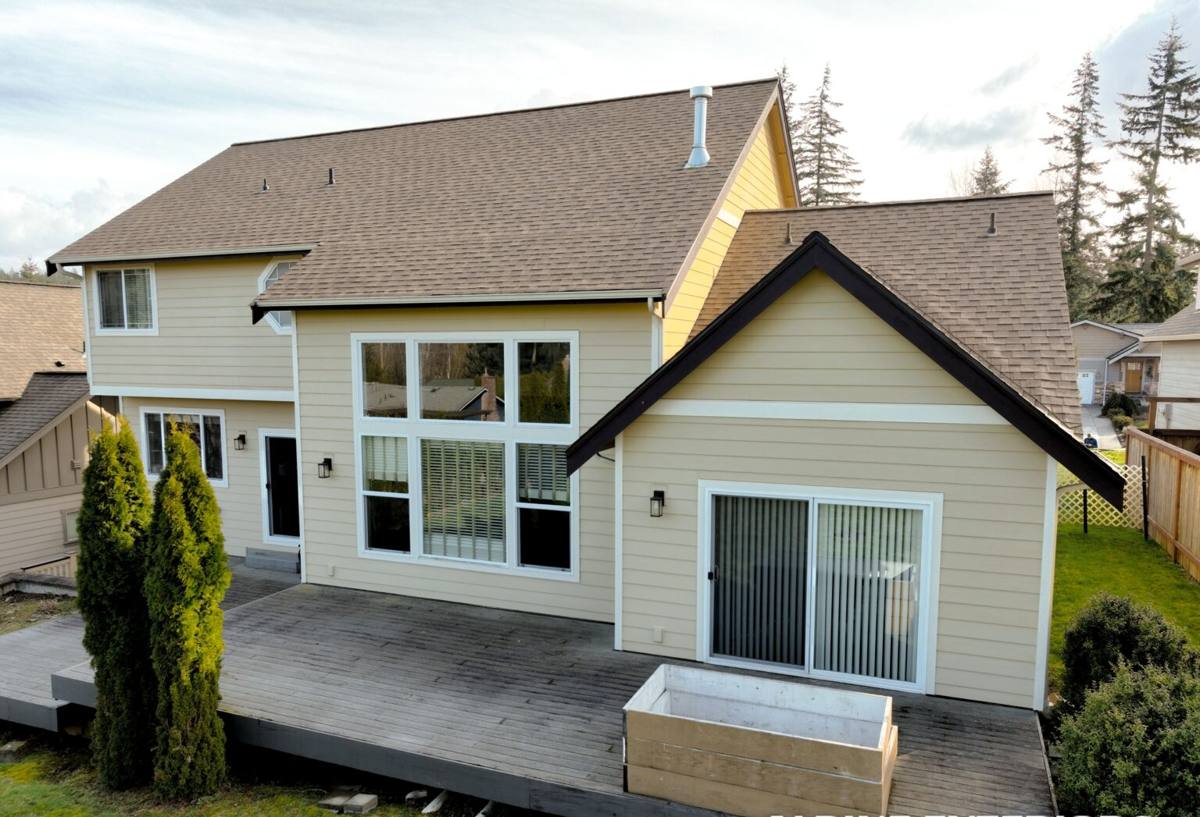
What Actually Counts as Storm Damage
Not every roof problem after a storm is storm damage in the insurance or repair sense, and it's worth understanding the difference before you call anyone out.
Wind Damage vs. Ordinary Wear
Wind damage typically shows up as shingles that are creased, lifted, or missing outright, usually concentrated on one side of the roof — often the side that faced the storm. Ordinary wear looks different: granule loss spread evenly across the whole roof, shingles that are curling or brittle from UV exposure, or nail pops that have been slowly working loose for years. Both can leak, but only one is typically a storm claim, and a straight answer about which one you're dealing with is part of an honest inspection.
Wind-Driven Rain and Hidden Leaks
The more deceptive damage from a Gulf Coast storm often isn't missing shingles at all — it's wind-driven rain forced sideways under intact shingles, around vent boots, or through hairline gaps in flashing at chimneys, skylights, and roof-to-wall joints. Because the shingles themselves can look fine from the ground, this kind of intrusion often gets missed until a stain appears on a ceiling or ductwork inside the attic starts showing water marks. A proper storm inspection checks these transition points specifically, not just the field of the roof.
Our Storm Damage Repair Process
We use the same process on every storm-damage call, whether it's a handful of shingles or a full section of decking that needs to come off.
1. Inspection, Inside and Out
We start on the roof surface, then check the attic from the inside where possible. Roof-level damage tells you where wind and rain hit; attic-level staining, wet insulation, or daylight through the decking tells you where water actually got in — and those two things don't always line up.
2. Temporary Protection
If there's an active leak or exposed decking, we tarp or dry-in the area before we do anything else. Getting water out of the equation is the priority; a roof that's actively leaking during a repair conversation is a roof that's causing more damage every hour it sits open.
3. The Permanent Repair
Depending on scope, this means replacing damaged shingles and the underlayment beneath them, resealing or replacing flashing and vent boots, and confirming the repaired section ties into the surrounding roof correctly — matching shingle courses and nailing pattern so the repair doesn't become its own weak point later.
4. Documentation
We photograph the damage before and after and provide a written scope of work. If you're filing an insurance claim, this record matters more than almost anything else in the process, which we'll cover below.
Repair or Replace? How We Make That Call
Not every storm-damaged roof needs full replacement, and not every roof that "looks okay" is actually a good repair candidate. We walk through a few honest factors before recommending either.
| Factor | Leans Toward Repair | Leans Toward Replacement |
|---|---|---|
| Roof age | Under roughly 10-12 years | Nearing or past its rated lifespan |
| Extent of damage | Isolated section or slope | Spread across multiple slopes |
| Decking condition | Solid, dry sheathing | Soft, delaminated, or rotted decking |
| Prior repair history | First significant repair | Multiple past patches in different spots |
| Underlayment condition | Intact where exposed | Brittle or failing throughout |
A roof that checks most boxes in the "repair" column can usually be fixed cleanly and last for years afterward. One with several boxes in the "replacement" column is often cheaper to replace outright than to keep patching, since repeated repairs on a tired roof tend to just move the next leak somewhere new.
Materials That Hold Up to Bradenton's Climate
Whatever we install, it has to survive the same combination that wears out every roof in this part of Florida: high wind uplift, saturating rain, and near-constant UV. A few things we pay attention to on every repair:
- Shingles rated for the wind speeds this area actually sees, installed with the correct nailing pattern — under-nailing is one of the most common causes of repeat wind damage
- Underlayment that resists moisture intrusion, since it's the last line of defense if wind ever lifts a shingle again
- Flashing and vent boots in good condition, since these fail years before the shingle field usually does
- Sealants and fasteners rated for coastal humidity, not generic hardware that degrades faster in salt-influenced air
We don't chase the cheapest material option on storm repairs, because a repair that fails again in the next season costs more in the long run than doing it right once. When there's a genuine trade-off — appearance versus long-term maintenance, for example — we'll walk you through it honestly rather than just defaulting to whatever's easiest to install.
Insurance Claims: What Mill Creek Homeowners Should Know
If your damage is storm-related, your homeowner's policy may cover some or all of the repair, but the claim process rewards documentation and timing. A few things worth knowing going in:
- Photograph and note the date of any visible damage as soon as it's safe to do so, before any tarping or repair work changes what an adjuster would see
- Get an independent inspection from a roofer, not just the insurance adjuster — the adjuster works for the insurance company, and a second set of eyes can catch damage that gets missed or underscoped
- Ask for a written, itemized estimate that separates repair scope from any unrelated maintenance, since insurers usually only cover the storm-caused portion
- Keep records of every conversation, including claim numbers and adjuster names, in case you need to follow up
We're not a public adjuster and won't pretend to be one, but we can give you a clear, honest scope of the actual damage so you're walking into the claims conversation with accurate information rather than guesswork.
Why Hiring a Crew That Already Works Mill Creek Matters
After a storm rolls through Manatee County, roofing calls spike fast, and that's exactly when out-of-area crews show up canvassing neighborhoods with high-pressure offers. A contractor who already works in Mill Creek has a few practical advantages over that: familiarity with the housing stock and roof types common to the area, an established local reputation that doesn't disappear once the storm season ends, and no incentive to rush a repair before moving on to the next town. Storm chasers profit from urgency; a local crew has to live with the quality of its work long after the estimate is signed.
That local presence also means faster response when you need a tarp on the roof the same day damage happens — waiting days for someone to drive in from out of the area while your attic takes on more water is its own kind of costly.
A Practical Checklist Before You Call Anyone
- Do a ground-level visual check — binoculars work fine, stay off a wet or damaged roof
- Check the attic for water stains, damp insulation, or daylight through the decking
- Photograph anything visible before tarping or repair work begins
- Note the date and, if known, which storm or weather event caused it
- Get a written estimate that itemizes what's storm-related versus general maintenance
- Ask how soon temporary protection (tarping) can be in place if there's an active leak
If you're seeing any of these signs on a Mill Creek roof, it's worth getting a straight answer sooner rather than later — a small, isolated repair now is almost always less disruptive and less costly than the same damage left to spread through another rainy season.
If you'd like a second opinion or a clear, no-pressure estimate on storm damage to your roof, we're happy to take a look and walk you through exactly what we find. The estimate form below is the easiest way to get started.