 Bradenton Siding
 Board & Batten in Parrish: A Style That Has to Earn Its Keep
Board and batten has become one of the most requested exterior looks in Parrish, and it's easy to see why. The vertical lines read as modern farmhouse on new-build homes and as a clean, tailored accent on ranch and Florida vernacular styles alike. But in Manatee County, board and batten isn't just a design choice — it's a siding system that has to hold up to the same hurricane-force wind gusts, intense year-round UV, wind-driven rain, and salt-laden air that every other exterior product in this area has to survive. A style that looks sharp in a photo but wasn't engineered or installed for this climate will show it within a few seasons: chalking paint, swollen battens, cupped panels, and caulk lines that split open.
This page is about doing board and batten right, specifically for Parrish homes, with a product built for Gulf Coast weather and a crew that installs it to spec rather than to the fastest possible schedule.
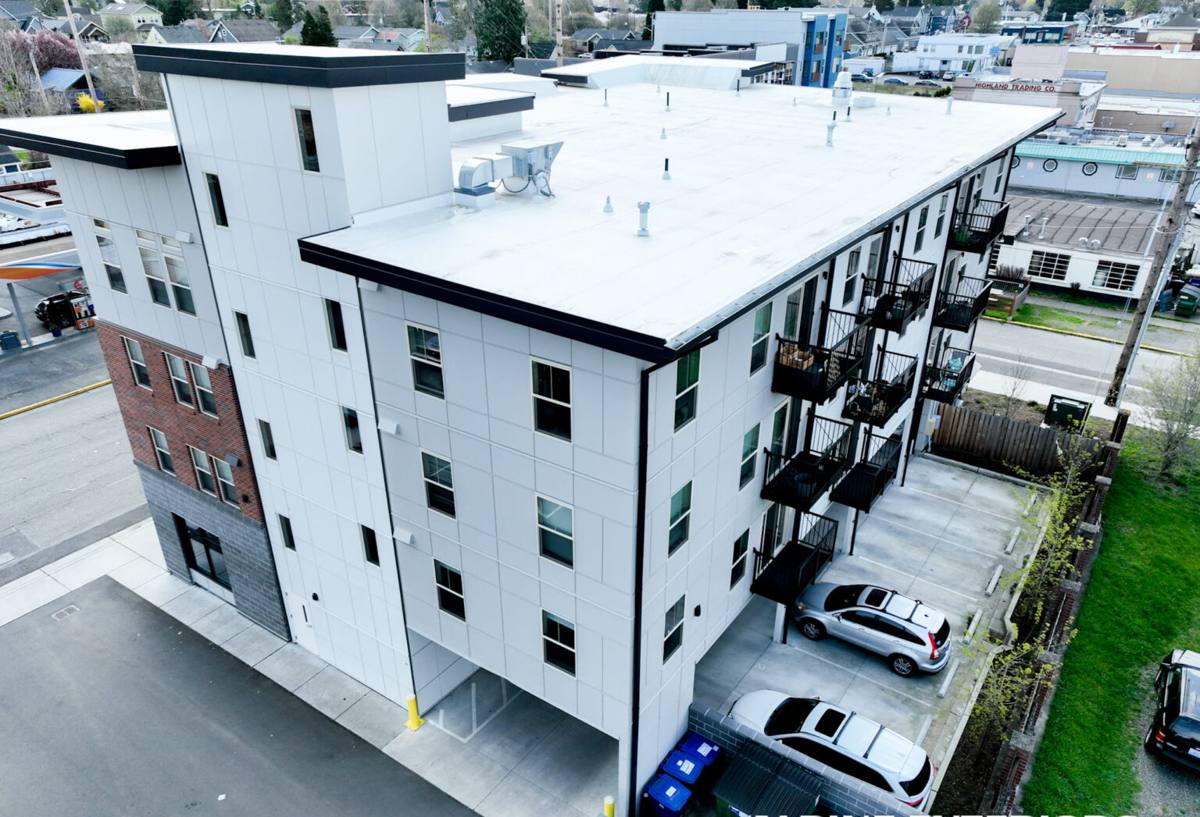
Why Parrish's Climate Is Harder on Vertical Siding Than People Expect
Vertical siding profiles like board and batten have more seams and more edge exposure per square foot than traditional horizontal lap siding. Every batten strip creates a joint, and every joint is a potential entry point for water if it isn't detailed correctly. In a climate like ours, that matters more than it would somewhere with milder weather.
Wind-driven rain and the vertical joint problem
Horizontal lap siding is designed to shed water downward, board over board, the way shingles do. Board and batten runs vertically, so water doesn't just run off the face of the panel — during a wind-driven rain event, it can be pushed sideways and upward against the joints. If the panels, battens, and underlying water-resistive barrier aren't installed with the right overlaps, flashing, and drainage plane, water finds its way behind the siding instead of off of it.
UV exposure and paint failure
Florida sun is relentless, and a board and batten wall often includes a mix of flat panel field and narrow batten trim, each with different exposure angles to the sun throughout the day. Paint and coatings that aren't factory-baked to withstand UV will fade unevenly across those surfaces, and once the coating starts to break down, the substrate underneath is exposed to moisture and heat cycling.
Salt air and coastal humidity
Parrish sits inland from the immediate coastline, but Gulf-influenced humidity and salt-bearing air still reach this far into Manatee County, especially with onshore wind patterns. Materials that aren't built to resist corrosion and moisture-driven swelling degrade faster here than they would further from the water — and vertical siding, with more joints and fastener points, gives that moisture more places to work.
Hurricane wind loads
Board and batten panels and their fastening pattern have to meet the wind pressure requirements for this region. Under-fastened or improperly spaced battens can lift, crack, or pull loose in sustained high winds, which is exactly the kind of failure that turns a cosmetic problem into a water intrusion problem during a storm.
Why We Install Only James Hardie for Board & Batten
We don't offer board and batten in vinyl, LP SmartSide, primed spruce, cedar, or other fiber cement brands. We install James Hardie exclusively, and for a vertical siding profile in a climate like ours, the reasons are even more relevant than they are for standard lap siding.
- Non-combustible fiber cement — Hardie's cement-based composition doesn't feed a fire the way wood-based or wood-fiber products can, which matters for insurance considerations as well as safety.
- Climate-engineered HZ product line — Hardie's HZ5 formulation is engineered specifically for hot, humid, high-moisture regions like ours, which is a meaningfully different product than what's sold in drier northern climates.
- ColorPlus factory finish — a baked-on, UV-cured finish applied under controlled conditions holds color and resists fading far better than field-applied paint, which is especially important on a profile with as much sun-exposed trim surface as board and batten.
- Dimensional stability — fiber cement doesn't swell, warp, or rot the way wood and wood-composite products can when repeatedly wetted and dried, which is a constant cycle in a Florida climate.
- A strong, transferable warranty — backed by manufacturer specifications, which only holds up if the installation itself follows Hardie's published fastening and flashing details.
We've seen what happens to board and batten installed in materials that weren't engineered for this environment — swollen bottom edges, delaminating panels, and paint that needs recoating within a few years. Standardizing on one product line lets us install it the same correct way every time, rather than adapting our process brand to brand.
What a Correct Board & Batten Installation Actually Involves
Board and batten looks simple from the street, but it has more assembly steps than lap siding, and skipping any of them is where problems start.
The water-resistive barrier and drainage plane
Before any panel goes up, the wall needs a continuous, correctly lapped water-resistive barrier. Behind vertical siding, a drainage gap is especially important so that any moisture that does get past the surface has somewhere to go instead of sitting against the sheathing.
Panel layout and gapping
Hardie panels expand and contract slightly with temperature and moisture. Manufacturer-specified gaps at panel ends and butt joints, along with proper caulking or flashing at those joints, keep that natural movement from cracking the finish or opening a water path.
Batten spacing and fastening
The battens that give board and batten its signature look aren't just decorative — they have their own fastening schedule, sized and spaced to meet local wind load requirements. Battens fastened only for appearance, without engineering the pattern behind them, are the first thing to fail in a wind event.
Flashing at penetrations and transitions
Windows, doors, hose bibs, light fixtures, and roof-to-wall transitions all need proper flashing integrated with the water-resistive barrier before the siding goes over them. On a vertical profile, these transitions see more direct water contact than they do under horizontal lap siding.
Starter strips and bottom clearance
The bottom edge of the siding needs correct clearance from grade, roofing, decking, and hardscape, per Hardie's installation instructions. Board and batten installed too close to grade or a patio slab traps moisture at the most vulnerable edge of the panel.
Where Board & Batten Installations Go Wrong
Most of the board and batten failures we get called out to inspect trace back to a handful of repeated shortcuts:
- Battens face-nailed without accounting for wind uplift, relying on the panel adhesive or caulk to do structural work it isn't rated for.
- Panels butted tight with no expansion gap, leading to buckling or cracked joints within a year or two.
- Missing or incomplete water-resistive barrier lapping behind the vertical joints.
- Field-applied paint used in place of a factory finish, which fades and chalks unevenly under Florida UV.
- Bottom edge installed too close to grade, a patio, or a roof line, with no clearance for drainage.
None of these mistakes are visible on installation day. They show up eighteen months to a few years later, which is exactly why the installation details matter more than the finished look at handoff.
Our Process for a Parrish Board & Batten Project
| Step | What Happens |
|---|---|
| On-site assessment | We evaluate existing wall condition, exposure, and any moisture or substrate issues before quoting anything. |
| Product and layout plan | Panel and batten spacing, color, and trim details are planned to the specific elevation, not a one-size template. |
| Tear-off and substrate check | Old siding is removed and the sheathing is inspected and repaired as needed before any new material goes on. |
| Water-resistive barrier and flashing | Continuous barrier, proper laps, and flashing at every penetration and transition, installed before panels. |
| Panel and batten installation | Installed to James Hardie's fastening schedule and gapping specifications for this wind zone. |
| Final detailing and walkthrough | Caulking, trim, and touch-up reviewed with the homeowner before we consider the job complete. |
Cost Factors for Board & Batten Siding
Every home is different, and we don't quote firm numbers without seeing the project, but these are the variables that most affect the price of a board and batten job in this area:
| Factor | Why It Matters |
|---|---|
| Wall square footage and elevation complexity | More corners, gables, and dormers mean more cutting, fitting, and batten layout work. |
| Substrate condition | Sheathing repair or replacement behind old siding adds labor and material before the new siding can go on. |
| Full house vs. accent application | Board and batten used as a full exterior costs more than using it as a gable or accent feature over another Hardie profile. |
| Trim and color complexity | Multiple ColorPlus colors, custom trim widths, or contrasting battens add material and labor time. |
| Access and site conditions | Two-story walls, tight lot lines, and landscaping affect scaffolding, staging, and crew time. |
Why Hiring a Crew That Already Works Parrish Matters
Board and batten done right depends on getting fastening schedules, flashing details, and gapping correct for this specific wind zone and climate — details that don't transfer cleanly from a crew's experience in a different region. A crew already working in and around Bradenton and Manatee County understands the wind pressure requirements local permitting will check, has already worked through the humidity and UV realities that affect Florida installations, and isn't learning Hardie's climate-specific specifications on your house for the first time. If your neighborhood in Parrish has an HOA with exterior approval requirements, familiarity with those processes also keeps the project moving without delays.
Use this checklist when vetting any board and batten contractor, including us:
- Do they install to James Hardie's published fastening and flashing specifications, not just a generic nailing pattern?
- Will they show you the water-resistive barrier and flashing details before panels go up, not just the finished exterior?
- Do they use ColorPlus factory-finished panels and trim rather than field-painted material?
- Can they explain how their batten spacing and fastening schedule meets local wind load requirements?
- Do they carry proper licensing and insurance for exterior work in Manatee County?
If you're weighing board and batten for a home in Parrish, we're happy to walk your property, look at your elevations, and talk through what a correctly engineered installation would involve for your specific house. Reach out for a free, no-pressure estimate using the form below.