 Bradenton Siding
 Parrish Is Growing Fast — Its Siding Needs to Keep Up
Parrish, in northern Manatee County, has gone from a quiet crossroads community to one of the fastest-growing parts of the greater Bradenton area in just a few years. New homes are going up constantly, and older farmhouses and ranch-style properties still dot the area alongside them. Whatever the age of the house, the exterior siding faces the same job everywhere in this region: standing up to long, hot summers, an active hurricane season, and humidity that rarely lets up.
Parrish sits a little further inland than the barrier islands and coastal neighborhoods closer to Sarasota Bay, but "inland" in Manatee County still means tropical storm bands, straight-line wind events, heavy wind-driven rain, and salt-tinged air that travels farther than most homeowners expect. Siding here isn't just a cosmetic choice — it's the first line of defense for the wall assembly behind it.
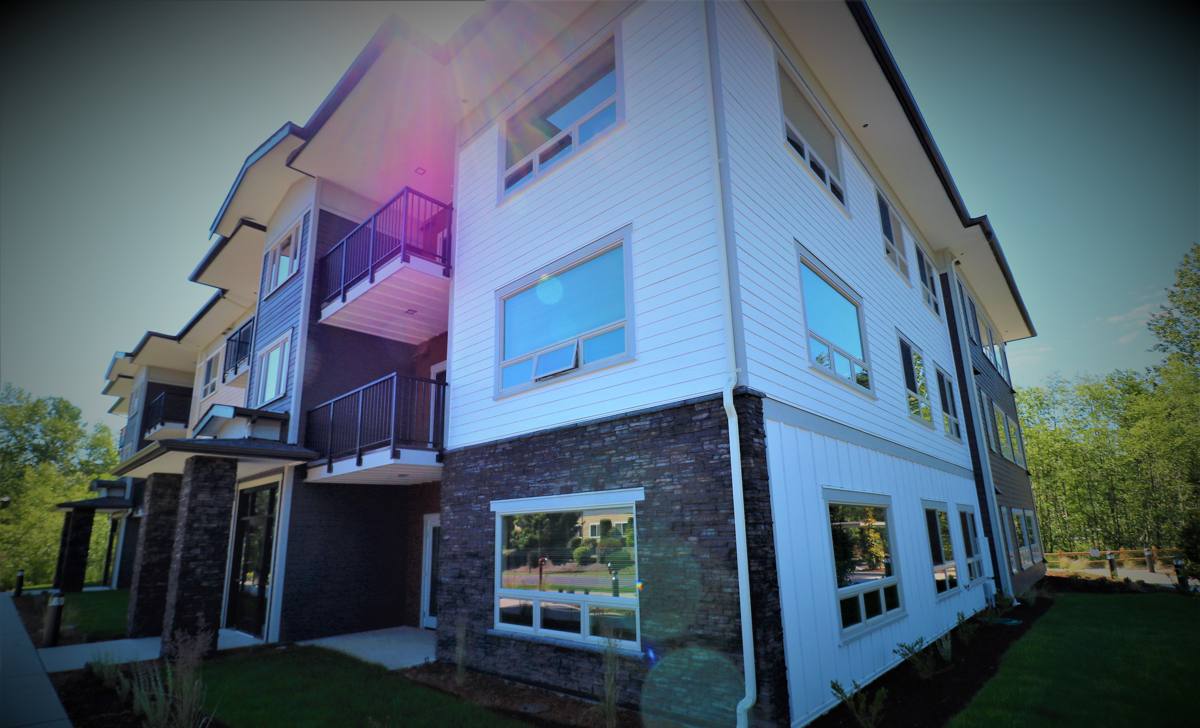
What Florida's Climate Actually Does to Siding
It helps to understand the specific stresses at work before deciding on a product or an installer:
- UV exposure: Near-constant sun breaks down pigments and lower-grade substrates over years, leading to fading, chalking, or a dull, worn look well before a homeowner expects to reside.
- Wind-driven rain: Storms here don't just fall straight down — wind pushes water sideways into seams, laps, and every penetration for pipes, vents, and fixtures. Where flashing or sealant is done wrong, water finds its way behind the siding.
- Persistent humidity: Damp air keeps wall assemblies wetter for longer stretches of the year, which is exactly the condition that feeds rot in wood-based products and swelling in some engineered substrates.
- Hurricane-force wind: Every major wind event tests the fastening schedule. Siding that wasn't installed to the manufacturer's wind-zone specification is what ends up as storm debris.
- Salt air: Even away from the immediate coastline, airborne salt accelerates corrosion on exposed fasteners, trim, and hardware over time.
Why This Matters for Both New and Older Parrish Homes
Many Parrish properties are recent construction, so a first re-siding project may be years away — but decisions made now about repairs, additions, or garage/lanai upgrades still need to match the performance of the rest of the house. Older homes in the area, meanwhile, are often reaching the point where original wood siding or aging vinyl has taken enough sun and moisture damage that patching no longer makes sense.
Why We Install Only James Hardie Fiber Cement in Parrish
We made a deliberate decision as a company to install James Hardie fiber cement siding exclusively — not vinyl, not LP SmartSide, not cedar or primed spruce. That's not a marketing position; it's based on what actually holds up in this climate over the long haul.
- Non-combustible fiber cement core: Unlike wood-based siding, it isn't a fuel source, and it doesn't feed pests or rot the way untreated or engineered wood products can.
- Climate-engineered HZ5 line: James Hardie manufactures region-specific product formulations, and the HZ5 line is engineered for hot, humid, storm-prone climates like ours — a meaningfully different product than what's sold in dry or cold-climate markets.
- ColorPlus factory finish: The color is baked on in a controlled factory environment rather than field-applied. That means better UV and fade resistance than site-painted siding, and far fewer repaint cycles over the life of the product.
- Strong, transferable limited warranty: James Hardie backs its products with a warranty that can transfer to a new owner if the home sells — a real asset in a fast-growing market like Parrish where turnover happens.
- A long track record on the Gulf Coast: Fiber cement has been installed and tested in Florida conditions for decades, not just marketed for them.
What a Correct James Hardie Installation Actually Involves
Buying the right product is only half the equation. James Hardie siding performs the way it's engineered to only when it's installed to spec — and in a high-wind, high-moisture region, the details matter more than most homeowners realize.
- Proper clearances: Manufacturer-specified gaps from grade and roofline keep splash-back moisture and roof runoff from wicking into the bottom edge of the siding.
- Correct fasteners and spacing: Corrosion-resistant fasteners, placed at the spacing required for our local wind zone — not a generic national default.
- Weather-resistive barrier and flashing: Every window, door, and penetration needs flashing detailed so water sheds outward, not into the wall cavity.
- Joint treatment done right: Whether that's a properly detailed rain-screen gap or compatible sealant at butt joints, this is where most moisture problems start when it's skipped or rushed.
- Sealed cut edges: Field cuts expose raw fiber cement; those edges need to be primed or sealed before installation, not left bare.
- Following the manufacturer's high-wind installation manual: James Hardie publishes wind-zone-specific instructions, and Manatee County's building code reflects those wind design requirements. Cutting corners here is exactly what fails in a storm.
James Hardie Product Lines for Parrish Homes
James Hardie offers several profiles, and the right one depends on the home's architecture and what look a homeowner wants — not just what's cheapest to install.
| Product Line | Look | Best Suited For |
|---|---|---|
| HardiePlank lap siding | Traditional horizontal lap | Most single-family homes; the most common choice in this area |
| HardiePanel vertical siding | Clean vertical lines, often with battens | Modern farmhouse or coastal-style exteriors, gable accents |
| HardieShingle siding | Staggered or straight-edge shingle look | Accent areas, gables, or full-shingle coastal cottage styles |
| Hardie Trim & boards | Corner boards, fascia, board-and-batten accents | Finishing details and architectural accents on any of the above |
Cost Factors for a Parrish Siding Project
Every home is different, so we don't quote a number without seeing the property, but the variables that actually drive cost are consistent from job to job.
| Factor | Why It Matters |
|---|---|
| Home size and number of stories | More square footage and stories mean more material and labor, plus added scaffolding or lift needs |
| Tear-off vs. new construction | Removing and disposing of existing siding adds labor that new-build installs don't require |
| Sheathing or framing condition | Hidden moisture damage found once old siding comes off can require repair before new siding goes on |
| Product line and profile | Lap, panel, and shingle profiles carry different material and labor costs |
| Trim and accessory scope | Corner boards, window trim, and fascia work add to the total beyond the field siding itself |
| Site accessibility | Tight lots, fencing, or landscaping can slow staging and material handling |
Signs Your Parrish Home May Need Siding Attention
A quick walk around the exterior once or twice a year can catch problems while they're still cheap to fix. Look for:
- Visible warping, buckling, or gaps at the seams
- Soft or spongy spots when pressed (a sign of moisture behind the siding)
- Peeling or bubbling paint on wood-based or older siding
- Chalky, faded color that wipes off on your hand
- Cracks around window and door trim
- Visible rust streaking from fasteners or hardware
- Increased pest activity or soft wood at the base of exterior walls
Our Process, Start to Finish
Working in Parrish and the surrounding Bradenton area day in and day out, we've refined a process that avoids surprises for the homeowner:
- Free, no-pressure inspection and estimate — we look at the current siding, sheathing condition, and any trouble spots before recommending anything.
- Product and color selection — choosing the right James Hardie profile and ColorPlus finish for the home's style.
- Prep and tear-off — removing existing siding where needed and repairing any damaged sheathing before new material goes up.
- Weather barrier and flashing installation — the step that determines whether the wall stays dry for the next several decades.
- Siding installation to manufacturer spec — correct fasteners, clearances, and joint treatment, done to the high-wind installation standard.
- Final walkthrough and cleanup — a full review with the homeowner before we consider the job done.
Why Hiring a Crew That Already Works in Parrish Matters
Parrish isn't a stop on the way to somewhere else for us — it's an area we work in regularly. That matters in a few concrete ways. A crew that already knows Manatee County's wind-load and permitting requirements won't have to learn them on your project. A crew that's seen how homes in this area age under Gulf Coast sun and storms knows what to look for once the old siding comes off. And a local crew is the one that answers the phone if a question comes up months after installation — not a traveling outfit that moved on after the last storm season.
If your Parrish home's siding is showing its age, or you're planning an upgrade and want it done right the first time, we'd be glad to take a look. Reach out for a free, no-pressure estimate using the form below.