 Bradenton Siding
 Why Lakewood Ranch Roofs Wear Differently Than You'd Expect
Lakewood Ranch sits inland from the coast, so it doesn't take the same direct salt spray as a barrier island property, but it's still squarely inside the Gulf Coast climate that covers Manatee County. That means a roof here deals with hurricane-force wind events, some of the most intense year-round UV exposure in the country, and wind-driven rain that gets pushed sideways under shingles and flashing rather than just falling straight down. The broader coastal air mass also carries a lower but real level of moisture and salinity that, over years, contributes to corrosion on exposed metal roof components — fasteners, flashing, vent stacks — even this far from the water.
The practical effect is that a roof built to a generic national spec tends to underperform here. Shingles rated for a moderate climate degrade faster under constant Florida sun. Underlayment and flashing details that would be adequate inland in a milder state aren't enough when a named storm pushes rain sideways at your roof deck. Getting a replacement right in Lakewood Ranch means building for the conditions this specific area actually sees, not the conditions a manufacturer's spec sheet assumes as a national average.
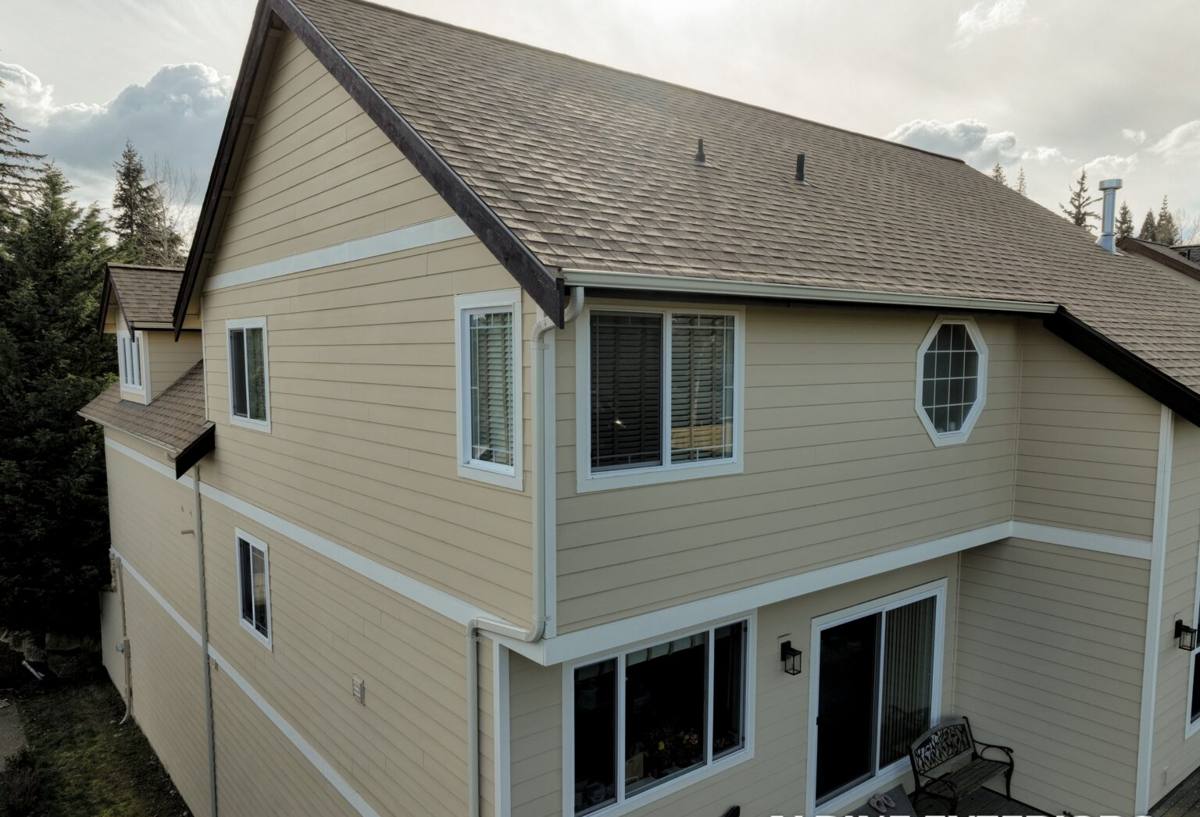
What a Correct Roof Replacement Actually Involves Here
Full Tear-Off, Not an Overlay
A second layer of shingles over an existing roof can look fine on day one, but it traps heat against the new shingles, hides the condition of the deck underneath, and voids many manufacturer warranties outright. For this climate, a full tear-off to bare deck is the only way to actually inspect the sheathing, replace any rotted or delaminated plywood, and install underlayment and flashing correctly from the deck up.
Underlayment and a Secondary Water Barrier
Because wind-driven rain during tropical storms and hurricanes can force water past the primary roof covering, a synthetic underlayment paired with self-adhering flashing tape at valleys, penetrations, and eaves gives the roof a real second line of defense. This is one of the details that separates a roof built to survive a direct storm hit from one that's only built to shed ordinary rain.
Fastening Pattern and Wind Rating
Florida Building Code sets specific nailing patterns and fastener counts based on the wind speed zone a property falls in, and Manatee County inspectors check this at permit inspection. Six nails per shingle instead of four, correct nail placement within the manufacturer's nailing zone, and proper starter strip installation at eaves and rakes all matter more here than in a low-wind region, because they're what actually keeps shingles attached when gusts get up under the tab.
Flashing at Every Transition
Step flashing at walls, counter-flashing at chimneys, and proper metal at valleys and roof-to-wall transitions are where most leaks originate on an otherwise sound roof. These details take more time to do correctly than to do quickly, and they're worth checking closely in any bid.
Ventilation
A roof deck that can't vent heat and moisture properly bakes shingles from underneath and shortens their service life, which matters even more given how much direct sun this region gets year-round. Balanced intake and exhaust ventilation should be part of the replacement scope, not an afterthought.
Signs Your Roof Needs Replacement, Not Another Repair
Not every roof problem calls for a full replacement, but there's a point where continued patching stops making financial sense. Here's what we look for when deciding which side of that line a roof is on:
- Granule loss heavy enough that you can see bare asphalt on multiple shingles, not just a few isolated spots
- Shingles that are cupping, curling, or cracking across large sections rather than in one localized area
- Soft spots in the roof deck, found by walking the roof or noticed as sagging from the ground
- Repeated leaks in different locations after past repairs, suggesting the underlayment has failed broadly rather than just at one flashing point
- Visible daylight through the attic decking, or staining and moisture on attic insulation
- A roof approaching or past 20 years old with asphalt shingles, especially if it's taken a direct hit from a recent storm season
- Missing or lifted shingles after wind events, particularly if it's become a recurring pattern rather than a one-time repair
Comparing Roofing Materials for This Climate
Material choice affects both upfront cost and how the roof performs against Florida's specific mix of sun, wind, and storm exposure. This is a general comparison to help frame the conversation — your exact numbers depend on roof size, pitch, and complexity, which we can only give after a real measurement.
| Material | Typical Lifespan Here | Wind Performance | Relative Cost |
|---|---|---|---|
| Architectural asphalt shingle | 18–25 years | Good, when properly fastened to code | Lowest |
| Standing seam metal | 40+ years | Excellent, among the highest wind ratings available | Highest |
| Concrete or clay tile | 30–50 years | Strong when installed and fastened correctly, but individual tiles can crack from impact | High |
| 3-tab asphalt shingle | 12–18 years | Lower wind resistance than architectural shingles | Low, but shorter service life |
Most Lakewood Ranch replacements we do are architectural asphalt shingle, largely because many homes in the community were originally built or previously re-roofed with shingle, and matching that look while upgrading the underlying assembly is usually the most cost-effective path. Metal and tile are worth discussing if you're planning to stay in the home long-term or want to maximize wind mitigation credit, which we'll cover honestly based on your specific roof rather than steering you toward the highest-margin option.
Permitting, Code, and Insurance in Manatee County
Roof replacement in Manatee County requires a permit, and the work is inspected against the current Florida Building Code, which sets wind-speed design requirements based on your location. Lakewood Ranch falls within the wind zone that governs most of the county, and that dictates fastening patterns, underlayment type, and in some cases the products that qualify for use.
A new roof installed to current code, with a licensed contractor filing for and closing out the permit properly, is also what supports a wind mitigation inspection afterward. That inspection can lower your homeowners insurance premium by documenting things like the roof covering type, deck attachment method, and roof-to-wall connections. Skipping the permit to save time, or having a roof installed by someone unlicensed, can come back to cost you at claim time or at your next insurance renewal — insurers increasingly ask for documentation, not just an assumption that the roof is new.
Our Replacement Process
| Step | What Happens |
|---|---|
| 1. Inspection and estimate | We walk the roof, check the attic if accessible, measure, and give you a written scope and price — no pressure, no high-pressure sales tactics |
| 2. Material selection | We go over shingle or material options, color, and warranty terms so you know exactly what's being installed |
| 3. Permit filing | We pull the Manatee County permit before work starts, as required by law |
| 4. Tear-off and deck inspection | Full removal of old roofing, with any deteriorated decking identified and replaced before anything new goes down |
| 5. Underlayment, flashing, and installation | Synthetic underlayment, flashing at every transition, and the new roof covering installed to code fastening specs |
| 6. Cleanup and magnetic sweep | Full site cleanup, including a magnetic sweep of the yard and driveway for stray nails |
| 7. Final inspection and walkthrough | County inspection scheduled and passed, then we walk the finished roof with you and answer any questions before closing out the job |
Working Within Lakewood Ranch's Community Standards
Many neighborhoods within Lakewood Ranch are governed by an HOA or community development district with architectural review requirements that can affect roofing color, material, and sometimes even the visible profile of the shingle. Submitting the wrong color or skipping the approval step can mean redoing work or facing a compliance notice after the fact. We factor architectural review into scheduling from the start rather than treating it as an afterthought, so the project timeline accounts for approval turnaround instead of getting stalled by it midway through.
Why It Matters That We Already Work Lakewood Ranch
A roofing crew that mostly works elsewhere in the region can still do sound work here, but a community like Lakewood Ranch has recurring specifics — HOA and CDD architectural standards, the mix of roof ages and original construction styles across its various neighborhoods, and the wind zone requirements that apply countywide but get inspected consistently here. Working this area regularly means we're not learning those requirements mid-project. We know what documentation a wind mitigation inspection actually needs, how architectural review submissions typically go, and what to expect from Manatee County's permitting and inspection process, because we've handled it on roofs like yours before.
That familiarity shows up as a more accurate first estimate and fewer surprises once work is underway — the inspection accounts for how this specific area and its governing rules actually work, rather than applying a generic checklist built for somewhere else.
What to Look For When Choosing a Roofing Contractor
- Current Florida roofing license, verifiable through the state license lookup — ask for the number directly
- General liability and workers' compensation insurance, with proof available on request
- A written estimate that specifies underlayment type, fastening pattern, and flashing details — not just "shingles and labor"
- Willingness to pull the permit themselves rather than asking you to do it, or skipping it altogether
- A physical local presence and references from work done in this area specifically
- Manufacturer certification if you're considering a material with an enhanced or extended warranty
- A clear answer on cleanup, including nail sweep, not left vague until after the job
Get a Straight Estimate on Your Roof
Whether your roof is showing clear signs of age, took damage in a recent storm, or you just want an honest read on how much life it has left, we're glad to take a look and explain what we find plainly — including if the answer is that a repair will hold you for now. Reach out below for a free, no-pressure estimate on your Lakewood Ranch roof replacement.