 Bradenton Siding
 Board & Batten Siding for Rosedale Homes
Rosedale is one of the established residential communities on the Bradenton side of Manatee County, and homes here run the gamut from Florida vernacular cottages to Craftsman-influenced and transitional builds. Board and batten siding fits naturally into that mix — it adds strong vertical lines, deep shadow relief, and a custom, tailored look whether it's used as a full-elevation siding or as an accent on gables, dormers, and entry features. Done right, it's one of the more distinctive siding profiles available. Done wrong, in a Gulf Coast climate, it's also one of the more failure-prone.
That second point matters more here than in most parts of the country. Manatee County sits in a stretch of Florida that deals with hurricane-force wind events, intense year-round UV exposure, wind-driven rain that gets forced sideways into every seam and joint, and salt-laden air moving in off the Gulf. A board and batten system has more seams, more fastener penetrations, and more exposed edges than a standard lap profile — which means the material behind it has to be more forgiving of exactly the conditions Bradenton throws at it, not less.
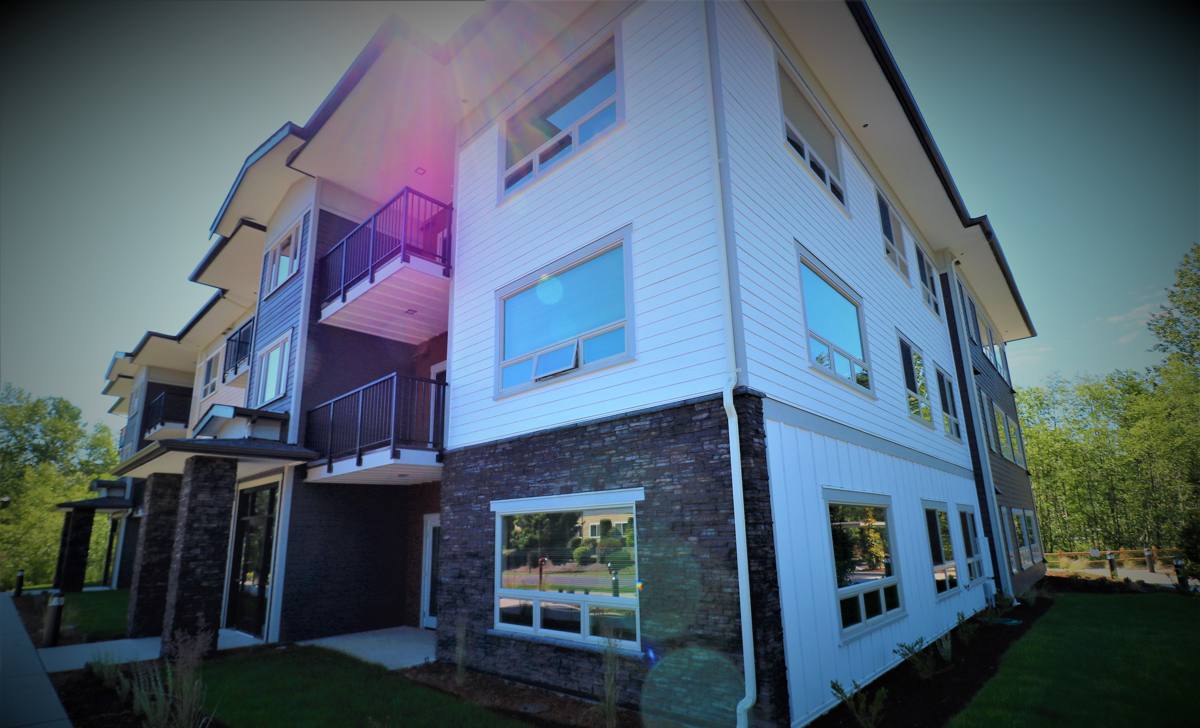
What Board & Batten Siding Actually Is
Board and batten is a vertical siding system: wide flat panels or boards installed vertically, with narrow strips — the "battens" — fastened over the seams between them. The result is a rhythm of raised vertical lines across the wall plane, which is why it reads as more architectural and less "production" than standard horizontal lap siding.
Traditionally this was built from solid wood boards, and a lot of homeowners still picture rough-sawn cedar when they hear the term. In practice, most board and batten installed today — including everything we install — uses an engineered vertical panel system with separate batten strips fastened over the joints, built to hold a straight line and a tight seam for decades rather than a few seasons.
Why the Profile Changes the Risk
With lap siding, water is designed to shed downward across overlapping horizontal courses. With board and batten, every vertical seam is a potential water path, and every batten is fastened directly through the field of the siding into the wall assembly below. That's a lot more penetration points than a lapped horizontal profile, and each one has to be detailed correctly — or it becomes the entry point for moisture that has nowhere obvious to go.
What Manatee County's Climate Demands From a Board & Batten System
Bradenton's exterior building materials get tested by the same handful of stressors, year after year, whether it's a quiet summer or an active hurricane season. Board and batten's extra seams and vertical joints make it less tolerant of a material that can't handle these conditions.
| Climate Stressor | What It Does to Board & Batten Siding | What the System Needs |
|---|---|---|
| Hurricane-force wind | Loads the fastened battens and panel edges directly; weak fastening or a brittle material cracks or lifts at the seams first | A material rated for high wind exposure with a fastening schedule engineered for uplift, not just gravity |
| Intense, near-constant UV | Bleaches and breaks down unprotected finishes, especially on the sun-facing battens and panel faces | A factory-applied finish that resists fading rather than a field-applied paint or stain that chalks over time |
| Wind-driven rain | Drives water sideways and upward into vertical seams and behind battens rather than letting it simply run off | Correct flashing, weather-resistive barrier detailing, and a material that doesn't swell or wick moisture at the joint |
| Salt air off the Gulf | Corrodes exposed metal fasteners and accelerates deterioration of porous or absorbent siding materials | Corrosion-resistant fasteners and a dense, non-absorbent siding material at every exposed edge |
Why the Batten Detail Is the Weak Point on the Wrong Material
The batten itself is where board and batten siding tends to fail first, and the reason comes down to how a material moves. Wood and many engineered wood products absorb moisture, swell, and then dry out and shrink again — over and over, season after season. Every cycle works the fasteners a little looser and opens the seam behind the batten a little wider. In a climate where humidity barely drops and wind-driven rain is a routine event rather than a rare one, that cycle runs constantly, not occasionally.
Fiber cement doesn't move the same way. It's dimensionally stable across Florida's swings in humidity and temperature, which means the seams stay tight, the battens stay flat, and the fasteners stay set. That stability is exactly why we standardized on James Hardie fiber cement for every siding job we do, board and batten included — this is a profile where material choice isn't a style decision, it's a performance decision.
How We Install Board & Batten Siding in Rosedale
The look of board and batten is simple. Getting it to actually perform for 30-plus years in a coastal climate is not — it comes down to details most homeowners never see once the job is finished.
What Our Process Covers
- Weather-resistive barrier first. A correctly lapped and sealed barrier goes down before a single panel is hung, so the wall assembly has a real drainage plane behind the siding.
- Flashing at every transition. Window and door heads, roof-to-wall intersections, and penetrations get flashed to shed water outward, not just relying on caulk to do that job.
- Manufacturer-spec fastening. Battens and panels are fastened on the pattern James Hardie engineers for wind performance in this region — not a generic spacing.
- Panel gaps sized for expansion. Joints are spaced to the manufacturer's tolerance so the assembly can move slightly with temperature without stressing the seam.
- Corrosion-resistant fasteners. Given the salt air this close to the Gulf, fastener selection isn't optional — it's a material we won't substitute down on.
- Factory finish preserved. Field cuts get properly sealed and touched up with the matched ColorPlus product so the factory finish's warranty coverage and UV resistance carry through the whole wall, not just the uncut faces.
The James Hardie Products We Use for This Look
We build board and batten walls using James Hardie's vertical panel siding paired with matching Hardie trim battens, finished in the factory-applied ColorPlus finish rather than field-primed and painted on site. That factory finish is baked on under controlled conditions and backed by its own finish warranty — a meaningful difference in a market where UV exposure is intense nearly twelve months a year, not just during a hot summer stretch.
Where the wall assembly and design call for it, we also use James Hardie's climate-engineered HZ10 product line, which is formulated specifically for Gulf Coast and Southeast humidity and moisture exposure rather than a one-size-fits-all national spec. For a profile like board and batten that depends on tight, stable seams, that regional engineering is part of why we don't substitute in other fiber cement brands or engineered wood alternatives — the product and the installation spec are designed to work together.
Choosing a Contractor Who Already Works in Rosedale
Board and batten done wrong doesn't usually fail in year one — it fails in year five or eight, after enough wind and rain cycles have worked on a bad seam or an under-flashed joint. That makes the contractor's track record and attention to detail more important than the material spec sheet alone.
A crew that already works in and around Rosedale and greater Bradenton brings a few real advantages: familiarity with Manatee County's permitting process, an understanding of the elevated wind-design requirements the Florida Building Code applies in this part of the state, and — in planned communities like Rosedale where an HOA or architectural review process is common — experience getting exterior changes approved without the project stalling out. None of that shows up in a quote, but all of it shows up in how smoothly the project actually goes.
Maintenance & Longevity
One of the practical advantages of a correctly installed fiber cement board and batten system is how little it asks of you afterward. It's not maintenance-free, but it's far closer to it than wood or engineered wood alternatives in this climate.
- Rinse the exterior periodically to clear salt residue and airborne debris, especially on Gulf-facing elevations
- Inspect caulked joints at trim, window, and door transitions annually and re-caulk if you see cracking or gaps
- Walk the batten lines after major storms to check for any lifted or loose sections rather than waiting for a visible problem
- Keep sprinklers and irrigation from spraying directly onto the base of the siding, which shortens the life of any exterior finish over time
- Address any suspected moisture intrusion promptly rather than waiting — small flashing issues are inexpensive to fix, wall assembly damage is not
What Board & Batten Siding Costs to Install Correctly
Board and batten typically costs more than standard lap siding on the same house, mainly because of the extra material (battens in addition to panels) and the additional labor for precise vertical layout and fastening. The real range depends on the specifics of your home.
| Cost Factor | Why It Moves the Price |
|---|---|
| Full-elevation vs. accent use | Covering an entire home costs more than using board and batten as a gable, dormer, or entry accent against standard siding elsewhere |
| Existing siding removal | Tear-off, disposal, and sheathing inspection add labor before the new system ever goes up |
| Sheathing or framing repair | Any rot or water damage found once old siding comes off has to be corrected before new siding can be installed to spec |
| Trim and corner detailing | Board and batten typically involves more corner boards, trim returns, and transition pieces than a plain lap wall |
| Wall height and complexity | Multi-story elevations, dormers, and cut-up rooflines increase both material waste and labor time |
If you're weighing board and batten for a Rosedale home, we're happy to walk your property, talk through where it makes sense as a full treatment versus an accent, and put together a straightforward, no-pressure estimate. Use the form below to get started.