 Bradenton Siding
 Why Rosedale Windows Take a Different Kind of Beating
Rosedale sits inland from the coast, but "inland" in Manatee County doesn't mean sheltered. Homes here still face the same hurricane-force wind events that hit the rest of the Gulf Coast, the same relentless year-round UV load, and wind-driven rain that finds its way into any window assembly with a weak seal or aging frame. Add in the salt-laden air that travels well beyond the beach on a stiff onshore breeze, and you've got a set of conditions that ages ordinary windows faster than most homeowners expect. A window that would last twenty-five years in a milder climate can start failing at the seals, hardware, and frame corners in half that time here if it wasn't built or installed with this environment in mind.
That's the core problem with a lot of window work done in this area: the windows themselves might be fine products, but they were installed like they were going into a house in Ohio. Custom window work for a Rosedale home isn't about upgrading to something fancier — it's about matching the window, the frame, the glass package, and the installation detailing to what this specific climate actually demands.
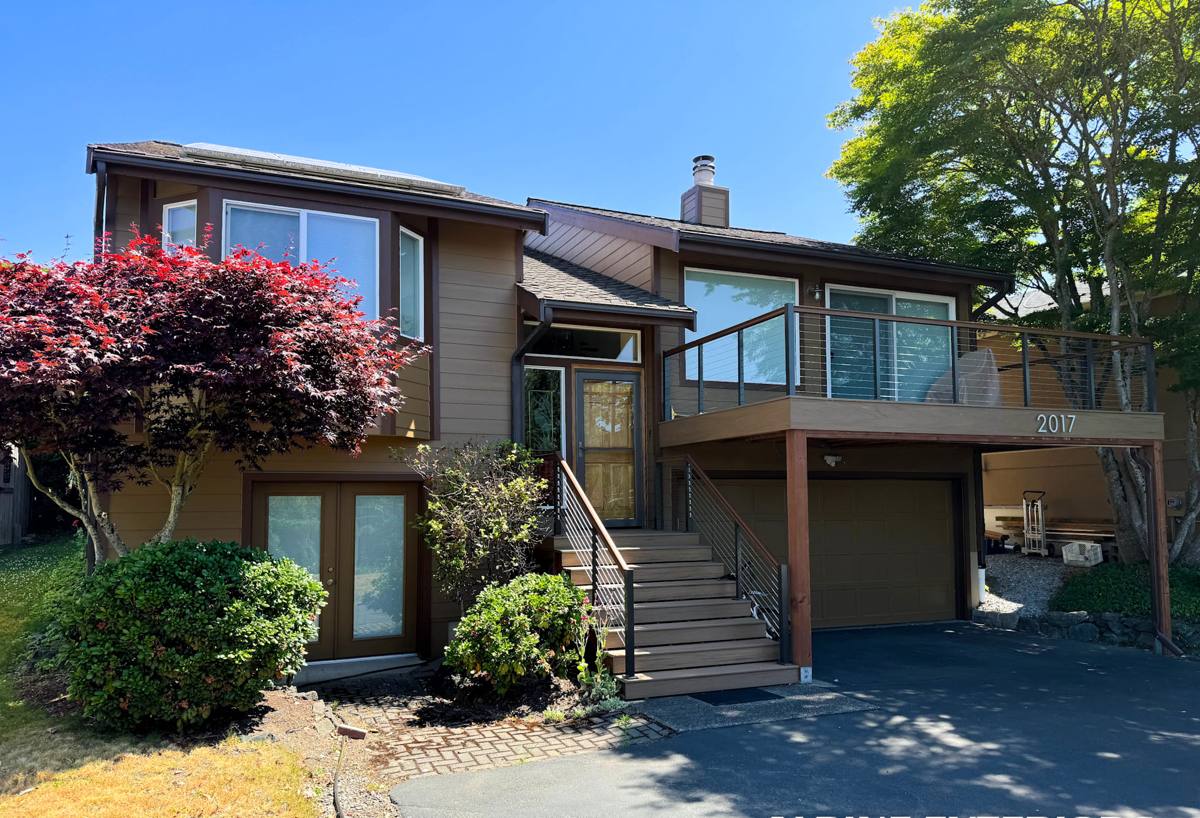
What "Custom" Really Means for a Rosedale Property
"Custom" gets used loosely in this industry, so it's worth being specific. For us, it means the window is sized, configured, and specified for your actual opening and your actual home — not pulled off a shelf in a standard size and forced to fit with extra trim or shims. Rosedale has a mix of home styles and ages, and openings vary more than people expect once you actually measure them.
Common Situations We See in Rosedale Homes
- Non-standard or slightly out-of-square openings on older construction, where a stock window won't seat properly without custom framing
- Larger picture windows and window walls facing a lanai, pool, or golf course view that need engineered support for wind load
- Arched, transom, or specialty-shaped windows that require true custom fabrication rather than a modified standard unit
- Additions or renovated spaces where window openings don't match current manufacturer standard sizes
- Homes where matching sightlines and grid patterns across the front elevation matters for curb appeal and resale
In all of these cases, the right approach is measuring the actual opening, specifying glass and frame performance for coastal Florida wind zones, and building or ordering to that spec — not adapting a generic product and hoping the gaps get caulked well enough.
Impact-Rated Glass, Wind Load, and What Manatee County Expects
Manatee County follows the Florida Building Code's High-Velocity Hurricane Zone-adjacent wind provisions, which means replacement and new windows generally need to meet a specific design pressure rating for your home's wind zone and exposure category, and either be impact-rated or paired with code-approved shuttering. This isn't optional paperwork — it's the difference between a window that stays intact when debris hits it during a storm and one that fails, letting wind pressure into the house and putting the whole roof structure at risk.
| Protection Type | How It Works | Trade-Offs to Know |
|---|---|---|
| Impact-rated glass | Laminated glass bonded to a plastic interlayer; cracks but stays intact under impact | Higher upfront cost, no storm-day labor, permanent UV and noise reduction benefit year-round |
| Non-impact glass + accordion or roll shutters | Standard glass protected by a separate shutter system deployed before a storm | Lower window cost, but requires someone home to deploy shutters and ongoing shutter maintenance |
| Non-impact glass + panel shutters | Removable panels installed over openings ahead of a storm | Lowest cost option, but storage, labor, and timing all fall on the homeowner |
Either path can satisfy code, and we'll walk you through both honestly rather than pushing the more expensive option by default. What we won't do is install a window that isn't properly rated for your exposure category, or skip the permit and inspection process — that paperwork is what protects you if there's ever an insurance claim or a future sale where the buyer's inspector checks for it.
Frame Materials That Actually Hold Up in This Climate
Frame material matters as much as the glass. Salt air and UV are both corrosive and degrading in different ways, and not every frame material ages the same.
| Frame Material | How It Performs Here | Best Fit |
|---|---|---|
| Vinyl | Won't corrode from salt air, good UV-stable formulations resist fading, low maintenance | Most Rosedale replacement projects, especially larger runs of windows |
| Aluminum | Strong and slim sightlines, but standard aluminum can corrode near salt exposure without marine-grade coatings | Impact frames and larger openings where structural strength matters most |
| Fiberglass | Excellent dimensional stability in heat, resists warping, higher material cost | Homeowners prioritizing longevity and minimal maintenance over decades |
| Wood or wood-clad | Attractive interior finish but demands consistent upkeep against Florida humidity | Interior aesthetic priorities only, generally not our default recommendation for exposed exteriors here |
We steer most Rosedale customers toward vinyl or fiberglass for exterior-facing openings because they simply require less upkeep against this specific combination of sun, salt, and moisture. That's a maintenance and longevity call, not a knock on wood windows in general — they can be the right choice for a covered, less-exposed application where the look matters more than weather exposure.
How Our Custom Window Process Works
- On-site assessment and measurement. We measure every opening individually, note framing condition, and check for any moisture damage around existing windows before quoting anything.
- Glass and frame selection. We walk through impact vs. shutter-protected options, frame material trade-offs, and grid or style choices that match your home's design.
- Wind pressure specification. Each window is specified to meet the design pressure required for your home's wind zone and exposure, not a generic county minimum.
- Permitting. We handle the Manatee County permit application and schedule required inspections so you're not managing that process yourself.
- Removal and installation. Old units come out, openings are checked and prepped, and new windows are set, shimmed, and sealed to manufacturer and code specifications — flashing and sealant details matter as much here as the window itself.
- Final inspection and walkthrough. We confirm the install passes inspection and walk you through operation, hardware, and any warranty paperwork.
Signs a Rosedale Home's Windows Need Attention
Because damage from UV and moisture tends to be gradual, a lot of homeowners live with failing windows for years before addressing them. Watch for these:
- Fogging or a hazy film between panes of double-pane glass — the seal has failed and the insulating gas is gone
- Frames that feel soft, chalky, or discolored, especially on aluminum units
- Windows that are hard to open, close, or lock, or that no longer sit flush in the frame
- Visible daylight, drafts, or a whistling sound around the frame during windy conditions
- Water staining on interior sills or nearby drywall after heavy rain
- A noticeable jump in cooling costs without any other change in home usage
Any one of these on its own might just need a repair. Several at once, or an original installation that's now fifteen-plus years old, usually points to replacement being the more cost-effective long-term move.
Permitting, Inspections, and Insurance Considerations
Every window replacement in Manatee County that changes the glazing or structural opening requires a permit — this isn't a step we skip to save time. A properly permitted, inspected installation is documented proof for your insurer and for any future buyer that the work meets current wind load code, which can matter directly for homeowner's insurance premiums and for a wind mitigation inspection down the road. Unpermitted window work is one of the more common issues that surfaces during home sales in this area, and it can hold up a closing or trigger a costly redo.
Why Hiring a Crew That Already Works in Rosedale Matters
Window installation quality comes down to details that don't show up in a brochure: how the opening is flashed, how the sealant is tooled, how the unit is shimmed so it isn't racked out of square, and whether the crew understands the specific wind exposure your part of Bradenton sees. A crew that already works in and around Rosedale has measured openings on homes like yours, pulled permits with Manatee County before, and knows which frame and glass combinations actually hold up here versus which ones look fine on paper. That local repetition is what keeps a window performing correctly ten or fifteen years after installation, not just on install day.
Caring for Custom Windows After Installation
Even a well-installed, properly rated window benefits from basic upkeep in this climate. Rinse frames and tracks periodically to clear salt residue, especially after storms. Keep weep holes clear of debris so water drains properly instead of pooling. Check caulking and sealant lines annually for cracking, since UV exposure breaks down sealant faster here than in most parts of the country. None of this is labor-intensive, but skipping it is how a good installation starts to underperform years before it should.
If your Rosedale home's windows are original, aging, or you're simply planning ahead of the next storm season, we're happy to take a look and give you a straightforward, no-pressure estimate — no obligation, just an honest read on what your windows actually need. The form below is the easiest way to get started.