 Bradenton Siding
 Why Bradenton Beach Homes Wear Out Siding Faster
Bradenton Beach sits about as close to the Gulf as a Manatee County home can get, and that proximity changes how siding ages. Salt-laden air corrodes fasteners and trim metal, wind-driven rain finds every gap in a wall assembly, and the sun is working on the exterior nearly every day of the year. None of these forces are dramatic on their own, but layered together over a decade or two, they punish siding materials that were never engineered for a barrier island environment.
Homes a few miles inland in Bradenton proper deal with heat and humidity too, but Bradenton Beach adds constant salt exposure and unobstructed wind. That's the difference between siding that needs attention at year 12 and siding that's still performing at year 30 — and it's why we treat a Bradenton Beach siding replacement as its own project, not a copy-paste of what we'd spec a few miles east.
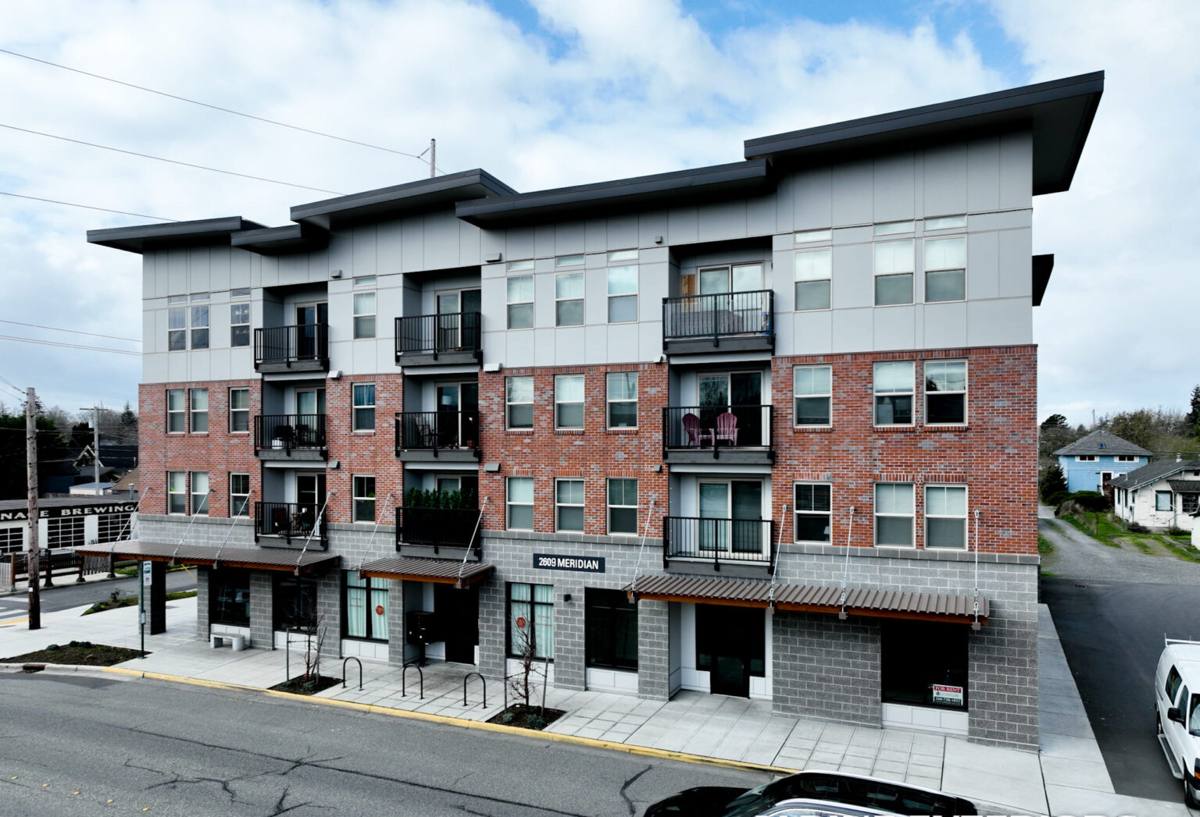
What Failing Siding Looks Like on a Barrier Island Home
Siding failure near the Gulf rarely shows up as one dramatic problem. It's usually a handful of smaller signs that, together, mean the wall assembly is no longer doing its job:
- Paint that's chalking, peeling, or fading unevenly, especially on south- and west-facing walls
- Soft or spongy spots, particularly near the bottom courses, corner boards, and window trim
- Visible warping, buckling, or panels that no longer lie flat against the wall
- Rust streaks bleeding from nail heads or trim fasteners
- Gaps opening up at seams, corners, or where siding meets windows and doors
- A musty smell or discoloration on interior walls that back up to exterior siding
Any one of these can be a minor repair. Several at once, especially on a home that's 15-20+ years old, usually means the siding and the water management behind it have both reached the end of their useful life.
Why We Only Install James Hardie Fiber Cement
We don't install vinyl, LP SmartSide, primed wood, cedar, or off-brand fiber cement products. That's a deliberate standard, not a sales pitch, and it matters more on a home this close to the water. Vinyl softens and can distort in intense, sustained heat, and in a hurricane-force wind event it's more prone to cracking or blowing off the wall than a heavier material. Wood-based and wood-composite products depend on maintained paint and sealed edges to keep moisture out — miss a maintenance cycle in this climate and rot can set in fast.
James Hardie fiber cement is non-combustible, doesn't support rot, and holds up to sustained UV and moisture cycling far better than the alternatives. It's heavier and stiffer, which matters when you're designing for wind-driven rain and storm-force gusts. The ColorPlus factory finish is baked on under controlled conditions rather than field-applied, so it resists fading and chipping better than site-painted siding — a real advantage when the sun is working on a wall almost every day of the year. We stand behind it because we've seen how it performs against products that look similar on a spec sheet but behave very differently after a decade near the Gulf.
What Hardie Gets Right — and What It Doesn't Fix
To be fair, Hardie siding isn't magic. It still needs to be installed with correct clearances, properly caulked and painted at cut edges, and paired with sound flashing and water management behind it. A great product installed poorly will still fail early. That's why the installation details below matter as much as the material choice itself.
What a Correct Siding Replacement Actually Involves
Swapping old siding for new isn't just a surface change — the wall assembly underneath does most of the real work of keeping water out. On a coastal home, we pay particular attention to:
Removing the Old Siding and Assessing the Wall
Full tear-off lets us see the sheathing, framing, and any existing water damage directly instead of guessing. Near the Gulf, it's common to find soft sheathing or corroded fasteners hidden behind siding that looked fine from the street. We address that damage before anything new goes up — covering it over just resets the clock on the same failure.
Water-Resistive Barrier and Flashing
A correctly lapped weather-resistive barrier, properly integrated window and door flashing, and flashed penetrations (vents, hose bibs, light fixtures) are what actually stop wind-driven rain from reaching the framing. Hardie siding is a rain-screen cladding, not a waterproof membrane — it sheds most water, but the barrier behind it is the real defense.
Fastening for Wind Zones
Manatee County's coastal areas fall under wind-load requirements that dictate fastener type, spacing, and placement. We follow Hardie's fastening specifications and local code requirements rather than a generic pattern, because under-fastened siding is one of the more common causes of early failure and wind damage we see on older coastal homes.
Corrosion-Resistant Fasteners and Trim
Standard fasteners corrode quickly in salt air. We use fasteners and flashing metals rated for coastal exposure so rust streaks and loosening joints don't show up a few years down the road.
Our Replacement Process, Step by Step
- On-site evaluation. We inspect current siding, trim, and visible wall condition, and discuss your goals (color, profile, budget).
- Written estimate and product selection. You'll get clear scope, product lines, and pricing before any work starts — no surprise change orders for known conditions.
- Permitting. Manatee County and local jurisdictions require permits for siding replacement; we handle that process.
- Tear-off and substrate inspection. Old siding comes off, sheathing and framing are inspected and repaired as needed.
- Water-resistive barrier and flashing installation. This is the layer that does the real waterproofing work.
- Hardie siding installation. Installed to manufacturer spec and local wind-zone fastening requirements.
- Trim, caulking, and finish work. Cut edges sealed, joints caulked, touch-up painting where required.
- Final walkthrough. We review the finished work with you before calling the job complete.
Choosing a Hardie Profile and Finish for a Gulf-Facing Home
James Hardie offers several siding profiles — lap siding in varying reveals, shingle-style panels, and vertical board-and-batten — plus HZ5 formulations engineered for higher-humidity, coastal climates like ours. ColorPlus finishes come pre-baked in a range of colors designed to resist fading under sustained UV exposure, which matters more here than in most inland markets. We'll walk through profile and color options based on your home's style, HOA or neighborhood guidelines where applicable, and how much direct sun and salt exposure each elevation actually gets.
What Drives Siding Replacement Cost
| Factor | Why It Matters Here |
|---|---|
| Home size and wall complexity | More corners, dormers, and trim details mean more labor and material |
| Substrate condition | Hidden rot or corroded sheathing found during tear-off adds repair scope |
| Siding profile and accessories | Lap vs. shingle-style vs. board-and-batten, plus trim boards, corners, and soffit work |
| Wind-zone fastening requirements | Coastal fastening specs can require more fasteners and specific hardware |
| Access and site conditions | Elevated coastal lots, narrow lanes, and limited staging area affect labor time |
| Existing water damage | Framing repairs found once old siding is removed are priced separately from the base job |
We provide a detailed written estimate after an on-site look, rather than a rough number over the phone — coastal jobs have too many variables to price accurately any other way.
Why a Crew That Already Works Bradenton Beach Matters
Coastal siding work isn't the same trade as inland siding work. A crew that regularly works Bradenton Beach and the surrounding barrier island communities already understands local wind-load fastening requirements, knows what Manatee County permitting expects, and has seen firsthand how quickly the wrong material or a shortcut installation fails in this environment. That experience shows up in the details — flashing choices, fastener selection, how tightly a job is sequenced around weather — that don't appear on a basic estimate but make the difference between siding that lasts 30 years and siding that needs attention again in 10.
A Simple Pre-Replacement Checklist
- Walk your exterior and note any soft spots, peeling paint, or visible gaps
- Check corners, window trim, and the bottom few courses closest to grade
- Ask any contractor you're considering whether they install fiber cement to Hardie's published fastening and clearance specs
- Confirm they're pulling the required Manatee County permit, not skipping it
- Get the estimate in writing, with product line and profile specified — not just "siding replacement"
If you're seeing any of the warning signs above, or you just want an honest read on where your current siding stands, we're happy to take a look. Fill out the form below for a free, no-pressure estimate on your Bradenton Beach home.