 Bradenton Siding
 Composite Decking Built for Southgate's Climate, Not Just Its Curb Appeal
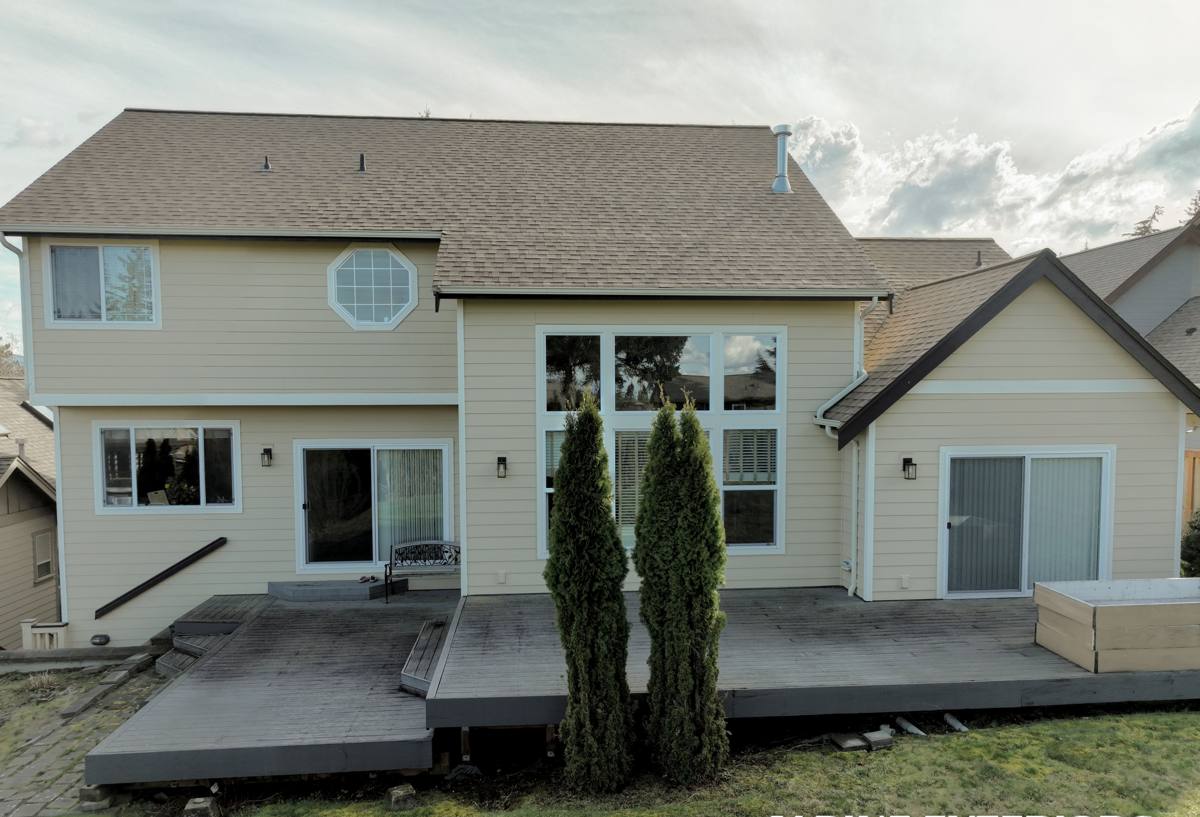
Southgate is one of Bradenton's more established residential pockets, with mature trees, mixed housing stock, and the kind of year-round outdoor living that makes a deck worth the investment. But a deck in this part of Manatee County isn't just a backyard feature — it's an exterior surface that has to survive intense subtropical sun, sudden downpours, salt-laden air drifting in off the Gulf, and the occasional hurricane-force wind event. Composite decking, installed correctly, handles all of that far better than wood. Installed poorly, it fails in exactly the ways homeowners fear most: boards that cup, fasteners that back out, framing that rots underneath a deck surface that still looks fine on top.
This page is about doing composite decking right, specifically for homes in and around Southgate. Not the generic version of the service — the version shaped by what actually happens to a deck in this neighborhood over ten Florida summers.
What Southgate's Setting Means for a Deck
Sun and Heat Exposure
Bradenton sees strong, direct UV exposure nearly every day of the year. On an uncapped or low-quality composite board, that UV load fades color unevenly and can make the surface feel rougher over time. It also means deck boards get genuinely hot underfoot in summer — something worth discussing with a homeowner before a color is chosen, since darker boards absorb more heat than lighter ones.
Humidity and Wind-Driven Rain
Southgate's tree cover and lot layouts vary block to block, but almost every property in this area deals with high ambient humidity and rain that doesn't fall straight down — wind pushes it sideways and underneath structures. A deck built without proper drainage planning, joist spacing, and ventilation underneath will trap moisture, even if the decking surface itself is water-resistant composite.
Salt Air
Southgate sits inland from the coast but not far enough to be free of the region's salt-air influence, especially during onshore wind patterns. Salt exposure accelerates corrosion on unprotected fasteners and metal hardware. This is a fastener and hardware decision as much as a decking-material decision.
Storm and Wind Load
Manatee County building requirements account for hurricane-force wind exposure, and a deck's structural attachment — not the decking boards themselves — is usually what determines whether it survives a major storm intact. A deck that looks solid but was ledger-bolted or post-anchored incorrectly is a liability during named storm season.
What a Correct Composite Deck Installation Actually Involves
The decking boards get the attention because they're what you see and stand on, but most composite deck failures in Florida trace back to what's underneath. A correct installation covers all of the following:
The Substructure
Pressure-treated or naturally decay-resistant framing, sized and spaced for the specific composite product being installed — composite boards have different span ratings than wood, and using wood-deck joist spacing under composite decking is a common mistake that leads to bounce and premature sagging.
Ledger Attachment and Flashing
Where a deck attaches to the house, proper flashing keeps wind-driven rain from working its way behind siding or into the rim joist. This is one of the most common failure points we see on older decks in this area — decking that looks fine while the wall behind it has been absorbing moisture for years.
Fastening and Hardware
Stainless steel or coated, corrosion-rated fasteners and structural hardware — not standard hot-dip galvanized in every application — matter more here than in drier, inland climates. This is a direct response to salt air and humidity, not an upsell.
Expansion Gaps and Board Spacing
Composite material expands and contracts with heat more than people expect. Boards installed without the manufacturer's specified gap will buckle or bow as temperatures swing through a Florida summer.
Ventilation Underneath
Adequate airflow beneath the deck surface lets trapped humidity escape instead of condensing against framing. This is a design decision made before the first board goes down, not something fixed later.
Composite vs. Other Decking Materials for a Southgate Backyard
Homeowners comparing options usually land on composite, PVC, or wood. Here's how they hold up under the specific conditions Southgate homes deal with:
| Material | UV / Fade Resistance | Moisture Behavior | Maintenance | Typical Lifespan Here |
|---|---|---|---|---|
| Capped Composite | Strong — cap layer resists fading and staining | Resists swelling, won't rot | Occasional wash, no sealing or staining | 25–30+ years |
| Uncapped Composite | Moderate — surface can fade and roughen faster in full sun | Can absorb some moisture over time | Periodic cleaning, more sensitive to mildew | 15–20 years |
| PVC Decking | Strong, very consistent color retention | Fully moisture-resistant | Low, but can show heat flex in full sun | 25–30+ years |
| Pressure-Treated Wood | Weak — fades and grays within a season or two | Absorbs water, prone to rot, splinter, and warp | Annual sealing/staining required | 10–15 years with upkeep |
Wood is still a reasonable choice for homeowners who want that specific look and are willing to keep up with annual maintenance. For most Southgate homeowners who want a deck that holds up without becoming a recurring chore, capped composite is the honest recommendation — it's the option best matched to this climate's combination of sun, moisture, and storm exposure.
Our Process for a Southgate Composite Deck Project
1. On-Site Assessment
We look at the ledger attachment point, existing framing (if replacing an old deck), grade and drainage around the footprint, and sun exposure across the day — all of which affect material choice and structural planning.
2. Design and Material Selection
We walk through board options, color, and layout with you, including honest tradeoffs on capped vs. uncapped products and how each will actually perform on your specific lot.
3. Permitting
Manatee County requires permits for most new deck construction and many substantial repairs. We handle the permit application and inspection scheduling as part of the project — this isn't optional paperwork, it's what confirms the structure meets wind-load and attachment requirements for this area.
4. Framing and Structural Work
Proper footings, ledger flashing, joist sizing, and corrosion-rated hardware go in before a single composite board is placed.
5. Decking Installation
Boards are installed per manufacturer spacing and fastening specs, with attention to expansion gaps and clean, consistent seams.
6. Final Walkthrough and Cleanup
We review the finished deck with you, confirm everything meets the agreed scope, and clear the site of debris and offcuts.
Maintaining Composite Decking in Bradenton's Climate
One of the real advantages of composite decking is how little upkeep it needs compared to wood — but "low maintenance" isn't "no maintenance," especially here:
- Rinse or sweep the deck periodically to keep salt residue, pollen, and organic debris from building up in board grooves.
- Clean visible mildew or algae promptly with a mild soap and water — humid, shaded areas of the deck are the most likely spots.
- Check fastener heads and any metal hardware once or twice a year for early signs of corrosion.
- Keep gutters and downspouts near the deck clear so runoff isn't concentrated onto or under the structure.
- After a major storm, do a quick visual check of railing posts and ledger attachment before resuming normal use.
Why It Matters That We Already Work in Southgate
A crew that installs decks across a wide, unfamiliar territory has to relearn local conditions on every job. A crew that already works Southgate and the surrounding Bradenton neighborhoods knows the typical lot drainage patterns, the general soil conditions for footings, and what Manatee County inspectors look for at framing and final inspection. That familiarity shows up in fewer surprises mid-project and a permitting process that moves without back-and-forth delays.
It also means we're a known, local point of contact after the job is done — not a phone number from out of the area. If a fastener needs a look or a board needs attention years down the line, we're still working in this neighborhood.
Questions Worth Asking Before You Choose a Contractor
- Are they licensed and insured to do structural deck work in Manatee County?
- Do they pull permits themselves, or leave that responsibility to you?
- Can they explain, specifically, how they'll handle ledger flashing and fastener corrosion resistance for this climate?
- Do they size framing to the composite product's actual span rating, or use generic wood-deck spacing?
- Will they give you a written scope that names the decking product, hardware, and structural details — not just a total price?
If a contractor can't answer these clearly, that's worth noting before you sign anything.
Get a Straight Answer on Your Southgate Deck Project
Every property in Southgate is a little different — sun exposure, existing structure, drainage, and how the deck ties into the house all factor into the right approach. We'd rather walk your specific lot and give you an honest read than quote a generic number over the phone. Reach out for a free, no-pressure estimate using the form below, and we'll talk through what your home actually needs.