 Bradenton Siding
 Decks Built for Village of the Arts, Not Just Any Backyard
Village of the Arts sits close to downtown Bradenton, and it's one of the more distinct pockets of Manatee County — a walkable grid of older bungalow-style homes, tight lots, and a strong sense of neighborhood identity. Building a deck here is a different job than building one out in a newer subdivision with wide setbacks and modern framing underneath. Lots tend to be smaller, homes tend to be older, and outdoor living space often has to do more work in less square footage. A deck in this neighborhood usually isn't just a platform off the back door — it's the patio, the gathering spot, and sometimes the only real outdoor room the property has.
That means the deck has to earn its keep. It needs to hold up to what Bradenton throws at it year-round, and it needs to fit a home that likely wasn't built with today's framing standards or today's storm codes in mind.
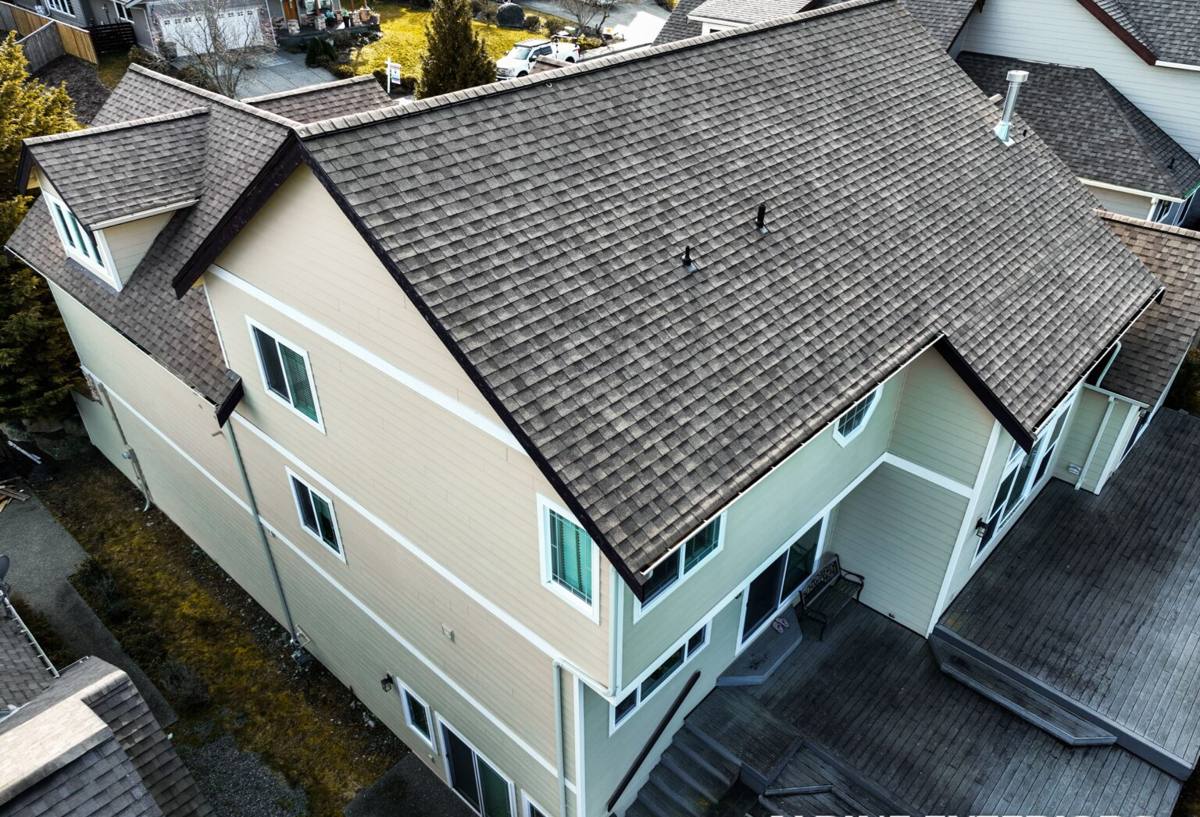
What Manatee County's Climate Does to a Deck
Every exterior structure on the Gulf Coast is fighting the same four things, and a deck feels all of them directly because it has no roof and no siding to protect it.
Hurricane-Force Wind
Wind doesn't just push on a deck — it gets underneath it, especially on elevated decks or ones attached to a raised bungalow foundation, which is common in this part of Bradenton. Ledger boards, joist hangers, and post connections all need to be rated and fastened for uplift, not just downward load. A deck that looks fine in calm weather can fail at the connection points during a real wind event if it was built to minimum-effort standards instead of storm-rated ones.
Year-Round UV
Florida sun doesn't take an off-season. UV breaks down wood fibers, fades and chalks composite surfaces that aren't rated for it, and dries out the sealants and fasteners holding everything together. A deck built with materials or finishes meant for a milder climate will show it within a couple of seasons here.
Wind-Driven Rain
Rain in Bradenton rarely falls straight down. Wind-driven rain gets pushed sideways and up under boards, into ledger connections, and into any gap where flashing was skipped. Standing water and trapped moisture are what actually rot a deck — not rain itself, but rain that has nowhere to go.
Salt Air
Village of the Arts isn't waterfront, but it's close enough to Tampa Bay and the Gulf that salt-laden air is a real factor. Salt accelerates corrosion in fasteners, brackets, and any exposed metal hardware. Cheap or mismatched hardware corrodes faster than the wood or decking around it, and once fasteners fail, the whole structure is compromised even if the boards look fine.
Choosing a Deck Material for This Neighborhood
There's no single "best" decking material — there's a best fit for your budget, your home's style, and how much upkeep you actually want to do. Here's how the common options stack up under Bradenton conditions.
| Material | Upfront Cost | Maintenance | How It Handles Gulf Coast Conditions |
|---|---|---|---|
| Pressure-treated wood | Lowest | High — annual sealing/staining | Needs consistent sealing to resist UV and wind-driven rain; hardware must be corrosion-rated |
| Composite decking | Mid to high | Low — periodic cleaning | Good UV resistance in quality product lines; check the specific product's fade and moisture warranty |
| PVC/capped decking | Highest | Lowest | Strong moisture and UV performance; a common upgrade choice for exposed, high-sun decks |
| Tropical hardwood | High | Moderate — periodic oiling | Naturally dense and rot-resistant but still needs maintenance to hold color and prevent surface checking |
For a lot of homes in Village of the Arts, the deciding factor isn't just the decking surface — it's matching the material and railing style to a bungalow's existing character while still meeting current wind and moisture standards underneath.
What's Underneath Matters More Than What's On Top
A deck's surface is what you see, but its framing, footings, and connections are what determine whether it survives a storm season. On older homes in this part of Bradenton, we often find existing structures — sheds, porches, prior deck additions — that were never engineered for current wind load requirements. A correct rebuild or new build addresses:
Footings and Posts
Footings need to be sized and set to local frost-free, high-water-table soil conditions, with posts anchored to resist both lateral wind load and uplift — not just resting on the footing.
Ledger Attachment
Where a deck attaches to the house, that ledger board connection is one of the most common failure points in wind events. It needs proper flashing to keep water out of the house's rim joist and lag or bolt fasteners rated for the load — not just nailed on.
Joist Hangers and Hardware
Every hanger, bracket, and fastener should be hot-dip galvanized or stainless rated for coastal exposure. This is one of the easiest things to cut corners on because it's invisible once the deck is finished — and one of the most expensive things to fix later.
Permitting and Code in Bradenton and Manatee County
Deck construction in Manatee County is governed by local building code and, for most structures over a certain size or height, requires a permit and inspection. Requirements vary by lot, structure size, and whether the deck is attached to the home, so the specifics should be confirmed for your property rather than assumed from a neighbor's project. Skipping the permit process on an attached deck is a common shortcut that causes real problems later — at resale, at insurance renewal, or if the structure is ever damaged and a claim requires proof it was built to code. A crew that pulls permits routinely in this county already knows what inspectors are checking for, which keeps the process moving instead of stalling on avoidable corrections.
How We Approach a Village of the Arts Deck Project
- On-site assessment. We look at the existing structure (if any), the home's ledger and framing condition, lot drainage, and how the space is actually used.
- Material and design conversation. We walk through the material comparison above in terms of your budget, maintenance appetite, and how the deck should read against your home's style.
- Engineering and permitting. Footings, framing, and connections are sized to current wind load requirements, and we handle the Manatee County permit and inspection process.
- Build. Framing first, with attention to ledger flashing and hardware corrosion resistance, then decking, railing, and finish work.
- Final walk-through. We go over what maintenance the specific material you chose actually needs — not a generic checklist, but what applies to your deck.
Designing for a Bungalow Lot
Smaller, closer-together lots change the design conversation. Setback lines limit how large a deck can be, neighboring sightlines affect railing and privacy choices, and older bungalow foundations sometimes sit at a height that calls for stairs or a transition landing rather than a single-level platform. None of this is a problem — it's just a different set of decisions than a deck project on a wide-open newer lot, and it's easier to get right the first time with a design conversation up front instead of adjusting mid-build.
Signs an Existing Deck in This Area Needs Attention
- Soft, spongy, or visibly cupped boards, especially near the house
- Rust streaking around fasteners or hardware
- Gaps or movement where the deck meets the ledger board
- Wobble in railings or posts when pushed by hand
- Standing water or slow drainage after rain
- Fading, chalking, or splintering that's worse on the sun-facing side
Any one of these on its own might just be cosmetic. More than one together, particularly near the ledger connection, is worth having looked at before it becomes a safety issue.
Ongoing Maintenance in a Salt-Air, High-UV Climate
Whatever material you choose, a deck in Bradenton needs more attention than the same deck would in a drier, milder climate. Wood decking generally needs a fresh sealant or stain coat annually. Composite and PVC decking need far less, but should still be rinsed regularly to keep salt residue and organic buildup from dulling the surface. Hardware and fasteners are worth a visual check each year, since corrosion at a connection point is a structural issue, not a cosmetic one. A deck that's inspected and lightly maintained once a year will consistently outlast one that's ignored until something visibly breaks.
Why a Local Crew Matters for This Neighborhood
A contractor who already works in Village of the Arts and the surrounding Bradenton area has a practical advantage: familiarity with the county's permitting process, an understanding of how older bungalow framing typically holds up, and firsthand knowledge of how this specific stretch of coastline treats an outdoor structure over time. That's different from a crew that builds decks generically and treats every job the same regardless of climate or neighborhood. Local experience shows up in the small decisions — hardware grade, flashing detail, footing depth — that don't get noticed until they're the reason a deck is still solid five hurricane seasons later.
If you're planning a new deck or need an honest look at one that's showing its age, we're glad to come take a look. Reach out for a free, no-pressure estimate using the form below.