 Bradenton Siding
 Windows Built for the Village of the Arts
Village of the Arts sits close to downtown Bradenton, and many of the homes there are older Florida bungalow-style properties, some of them doing double duty as working art studios and galleries. That mix means window replacement in this neighborhood often has to balance two things at once: keeping the character of an older home intact while bringing the glass and frames up to a modern energy-efficiency and wind-resistance standard. A window that looks right on a 1920s or 1940s bungalow but performs like a builder-grade unit from a big-box store is not doing the homeowner any favors once August heat and hurricane season roll around.
Energy-efficient windows in this part of Manatee County are not just about lowering a power bill, though that matters. They are also your home's first line of defense against wind pressure, driving rain, and the kind of sun exposure that breaks down cheap materials fast. Getting this right in Village of the Arts means choosing products and installation methods suited to the Gulf Coast climate, not whatever is cheapest to stock.
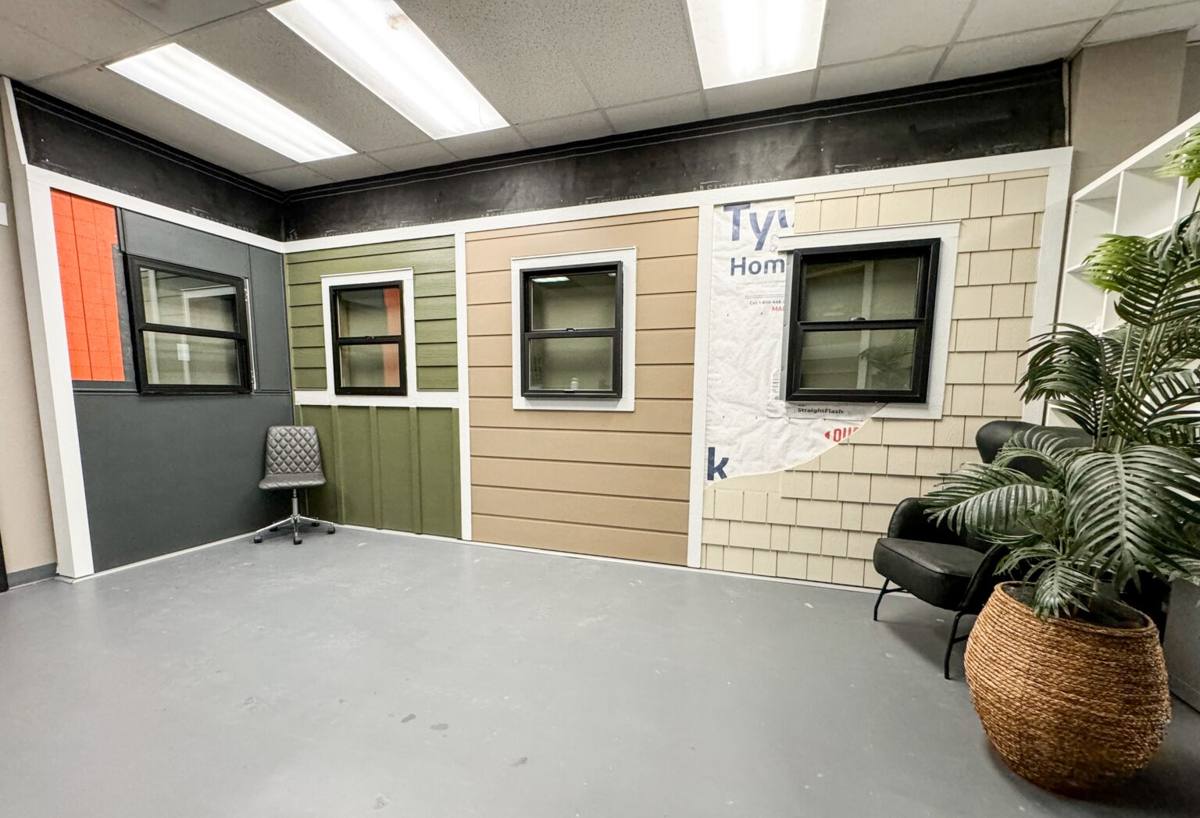
What Bradenton's Climate Does to Windows Over Time
Hurricane-Force Wind and Pressure
Manatee County sits in a wind-borne debris region, and every storm season puts real pressure — literally — on window assemblies. Wind does not just push on glass; it creates suction on the leeward side of a house that can pull a poorly anchored window frame right out of the rough opening. Older single-pane or aluminum-frame windows common in Village of the Arts' older homes were never engineered for the pressure ratings required today.
Year-Round UV Exposure
Florida's sun is intense nearly every month of the year, not just in summer. Constant UV exposure breaks down vinyl frames, fades interior furnishings, and degrades the seals and gaskets that keep a window airtight. Cheaper vinyl and low-grade weatherstripping visibly yellow and stiffen within a few years under this kind of sun load.
Wind-Driven Rain
Bradenton's storms rarely come straight down. Wind-driven rain gets pushed sideways into window assemblies, testing flashing, sealant, and drainage details that a lot of installers skip or rush. A window can carry a great energy rating on paper and still leak if the flashing and sill pan weren't done correctly.
Salt Air Corrosion
Village of the Arts isn't directly on the water, but Bradenton's proximity to Tampa Bay and the Gulf means salt-laden air travels inland and settles on everything, including window hardware. Corrosion-prone fasteners, hinges, and locking mechanisms fail faster here than they would in an inland climate, which is why hardware material matters as much as the glass itself.
What "Energy-Efficient" Actually Means for This Climate
Low-E Glass
Low-emissivity (Low-E) coatings reflect infrared heat while still letting visible light through. In a hot, humid climate like ours, the priority is blocking solar heat gain rather than retaining indoor heat, which is the opposite priority from a cold-climate installation up north. Not all Low-E coatings are tuned the same way, so the coating spec matters more here than the marketing term "Low-E" by itself.
Frame Material
Vinyl, fiberglass, and aluminum all behave differently under sun and salt exposure. Vinyl is common and cost-effective but quality varies widely between manufacturers. Fiberglass holds up well to UV and temperature swings but costs more. Aluminum conducts heat, which works against energy efficiency unless it has a proper thermal break. We evaluate frame choice against how much direct sun and salt exposure a specific elevation of the house actually gets.
U-Factor and SHGC
Two numbers matter most on the window's energy label: U-factor (how much heat transfers through the window) and Solar Heat Gain Coefficient, or SHGC (how much solar heat gets through the glass). For Bradenton homes, a lower SHGC is usually the priority since it directly reduces air conditioning load, which is the dominant energy cost for most homes in this climate for most of the year.
Impact-Rated vs. Standard Energy-Efficient Windows
One of the most common questions we get from Village of the Arts homeowners is whether they need impact-rated glass or whether a standard energy-efficient window with separate shutters is enough. Both approaches can meet code, but they differ in daily convenience, maintenance, and long-term value.
| Factor | Impact-Rated Windows | Standard Windows + Shutters |
|---|---|---|
| Storm prep | No action needed before a storm | Shutters must be installed/removed each time |
| Upfront cost | Higher per window | Lower window cost, added shutter cost |
| Daily UV/noise reduction | Laminated glass reduces UV and noise year-round | No added benefit outside storm events |
| Curb appeal | Clean look, nothing added to the exterior | Shutters visible or stored, can affect an older home's look |
| Insurance impact | Often qualifies for wind mitigation credits | May qualify depending on shutter type and rating |
For homes in Village of the Arts where the exterior character of the house matters — especially ones used as galleries or studios where street-facing appearance is part of the business — impact-rated glass tends to be the more practical choice since it doesn't require adding visible hardware to a historic-style facade.
What a Correct Installation Involves
The window product is only half the equation. Installation quality determines whether that product actually performs the way its rating suggests, especially against wind-driven rain. A correct installation in this climate includes:
- Removing the old window and inspecting the rough opening for rot, deteriorated framing, or prior water intrusion before anything new goes in
- Installing a proper sill pan and flashing system so any water that does get past the window sheds outward, not into the wall cavity
- Sealing and insulating around the frame with the correct materials — not just caulk over gaps
- Anchoring the frame per the manufacturer's approved fastening schedule, which is engineered for the required wind pressure rating
- Using corrosion-resistant fasteners and hardware suited to a salt-air environment
- Confirming the finished installation meets the wind load and impact requirements documented on the product's Florida Product Approval or Miami-Dade NOA, where applicable
Skipping any one of these steps is how a good window ends up with a bad reputation — leaks, drafts, or fogged glass within a few years usually trace back to installation shortcuts, not the window itself.
Our Process for Village of the Arts Homeowners
We keep the process straightforward and try to minimize disruption, especially for homeowners running a studio or gallery out of the house.
- On-site assessment of existing windows, framing condition, and sun/wind exposure by elevation
- Recommendation of glass and frame options matched to your home's age, style, and budget
- Written estimate with product specifications, not vague allowances
- Permit pulled and coordinated with Manatee County before work begins
- Removal, flashing, installation, and sealing done to manufacturer and code specifications
- Final walkthrough and cleanup, with documentation for your records and, if applicable, insurance
What Affects the Cost
Every home is different, so we avoid quoting flat per-window prices without seeing the job. That said, these are the main factors that move the number up or down:
| Factor | How It Affects Cost |
|---|---|
| Impact vs. non-impact glass | Impact-rated glass costs more per window but removes the need for separate shutters |
| Frame material | Fiberglass and higher-grade vinyl cost more than economy vinyl or standard aluminum |
| Opening condition | Rotted framing or prior water damage adds repair work before the window can go in |
| Window size and style | Large openings, custom shapes, or sliding/casement styles cost more than standard double-hung |
| Number of openings | Whole-house replacement typically has a lower per-unit cost than a handful of individual windows |
Why a Crew That Already Works Village of the Arts Matters
Older homes in Village of the Arts often have rough openings that don't match modern standard sizes, framing that's settled over decades, and, in some cases, prior repairs that weren't done to code. A crew that's worked this neighborhood before knows to check for those issues up front rather than discovering them mid-installation. We're also familiar with Manatee County's permitting process for window replacement, which keeps the job moving instead of stalling on paperwork.
There's also the practical side of working in a dense, walkable arts district — narrow lots, shared driveways, and homes actively used for business hours matter to how we schedule and stage a job. A crew unfamiliar with the area treats every house like a blank slate; a crew that already works Village of the Arts treats it like the specific neighborhood it is.
If you're weighing whether it's time to replace aging windows, or you just want an honest read on what your home actually needs, we're glad to come take a look. Reach out for a free, no-pressure estimate using the form below.