 Bradenton Siding
 Roof Repair Built for Anna Maria Island Conditions
Anna Maria Island sits right on the Gulf, which means the roofs out there take a different kind of beating than homes just a few miles inland in Bradenton. Salt-laden air corrodes fasteners and flashing faster, constant onshore wind drives rain sideways up under shingle edges and around penetrations, and the sun is working on that roof twelve months a year, not just in summer. We're a Bradenton-based crew that already works this stretch of Manatee County regularly, and roof repair out here is a specialty in itself, not a smaller version of a mainland repair job.
This page covers roof repair specifically — patching, flashing fixes, leak chases, storm damage, and targeted section replacement — for homes and rental properties on Anna Maria Island. If your roof needs a full tear-off and replacement, that's a bigger conversation, but most of what brings island homeowners to us starts as a repair call.
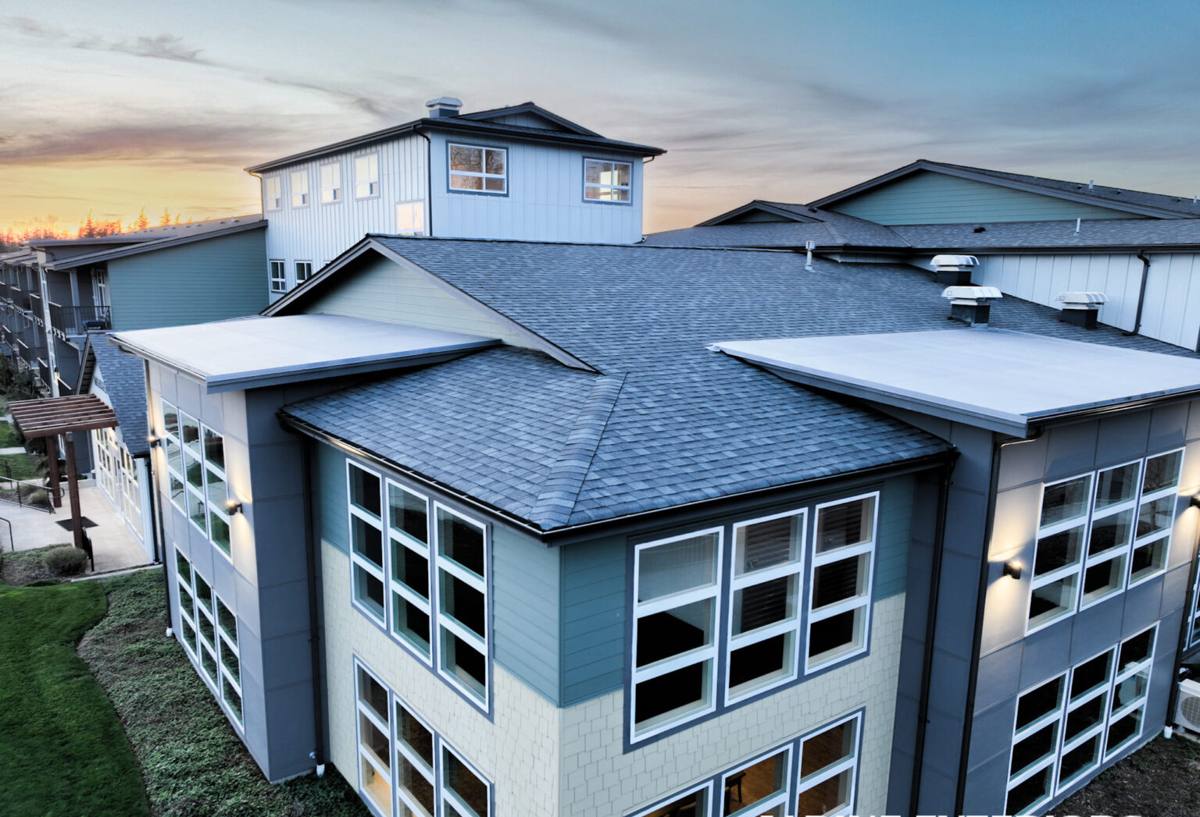
Why Barrier Island Roofs Fail Differently
Salt Air and Metal Fatigue
Every metal component on a roof — nail heads, drip edge, flashing, pipe boots with metal collars, even fastener coatings — is exposed to salt-laden moisture that inland Bradenton roofs simply don't see at the same intensity. Galvanized coatings wear through faster near the coast, and once bare metal is exposed, corrosion accelerates quickly. A lot of the leaks we find on Anna Maria Island trace back to a corroded fastener or a flashing seam that failed years before the shingles around it looked worn.
Wind-Driven Rain
Rain that comes in sideways behaves differently than rain falling straight down. It gets pushed up under shingle tabs, around vent boots, and into any gap in a roof-wall flashing detail that a straight-down rain would never reach. This is why an Anna Maria Island roof can develop a slow leak in a spot that would be a complete non-issue on a home 15 miles inland.
Constant UV Exposure
Reflected sunlight off the Gulf adds to the direct UV load on island roofs. Shingle granules break down faster, sealant strips lose their bond sooner, and rubber or plastic pipe boot collars crack and split earlier than the manufacturer's rated lifespan would suggest. UV damage is often invisible from the ground, which is part of why a proper repair starts with someone actually getting on the roof.
Hurricane and Tropical Storm Wind Loads
Even when a storm doesn't cause obvious damage, wind gusts can lift shingle tabs enough to break the seal strip underneath without visibly displacing the shingle. The roof looks fine from the driveway, but that shingle no longer seals the way it's supposed to, and the next heavy rain finds its way in. This is one of the most common "hidden" repair needs we find after tropical weather moves through the area.
What a Correct Roof Repair Actually Involves
A repair that just covers the visible symptom tends to come back. A repair that lasts starts with figuring out why the roof failed in the first place. On barrier island homes, that usually means checking a few things every time, not just patching the spot where the ceiling stain shows up.
- Tracing the leak path along the roof deck — water often travels sideways before it drips through the ceiling, so the entry point is rarely directly above the stain
- Inspecting flashing at every roof-wall intersection, chimney, and skylight curb for corrosion or separated seams
- Checking pipe boots and vent collars for UV cracking, since these are consistently one of the first things to fail on Gulf-exposed roofs
- Looking for lifted or broken shingle seals from wind events, even where nothing looks torn or missing
- Checking fastener condition, especially on older roofs where original nails may be corroding
- Confirming underlayment condition in the repair area — a shingle repair over failed underlayment just delays the same leak
We also check the surrounding area beyond the immediate problem. If salt corrosion took out one flashing seam, nearby seams of the same age and material are worth a look while we're already up there.
Our Repair Process
1. Inspection and Diagnosis
We get on the roof, not just in the attic or on the ground with binoculars. Leak paths on wind-driven-rain roofs are rarely obvious from below, and a proper diagnosis means physically checking flashing, shingles, and penetrations at the suspected area and working outward from there.
2. A Clear, Honest Scope
Once we know what's actually wrong, we explain it in plain terms — what failed, why, and what it takes to fix it correctly. If the repair is isolated, we say so. If we find the roof has bigger problems developing, we tell you that too, rather than doing a patch that won't hold.
3. The Repair Itself
Matching materials as closely as possible, replacing corroded fasteners and flashing rather than reusing them, resealing or replacing pipe boots as needed, and making sure the repaired section ties into the surrounding roofing correctly so water sheds the way it's supposed to.
4. Cleanup and Walkthrough
We clear debris and old materials from the property, and we walk you through what was done and what to watch for going forward, especially if your roof is getting up in years and other sections may need attention down the road.
Repair vs. Replacement: How to Tell Which You Need
| Situation | Repair Usually Makes Sense | Replacement Worth Discussing |
|---|---|---|
| Age of roofing | Well within expected lifespan | At or past expected lifespan for the material |
| Extent of damage | Isolated to one area or component | Showing up in multiple areas at once |
| Leak history | First occurrence or clearly isolated cause | Recurring leaks in different spots over time |
| Underlayment condition | Sound outside the repair area | Deteriorated broadly, not just locally |
| Storm exposure | Minor wind lift, isolated shingle damage | Widespread wind or impact damage |
Most of the calls we get from Anna Maria Island homeowners fall into the repair column. But an honest contractor should tell you when a roof is past the point where repair is the smart financial move, and we'd rather have that conversation upfront than sell you a series of patches on a roof that's telling you it's done.
Rental and Investment Properties
A large share of homes on Anna Maria Island are vacation rentals or seasonal properties, which adds a wrinkle to roof repair timing. A leak that goes unnoticed for a few weeks between guest turnovers or owner visits can do a lot more interior damage than the same leak would in a full-time residence. If you own a rental property out there, periodic roof checks — especially after named storms or a particularly rough wind event — are worth scheduling even without an obvious complaint, simply because nobody's living there full-time to notice a slow leak starting.
Why Hire a Crew That Already Works This Island
Roof repair on a barrier island isn't a different trade, but it does reward experience with the specific failure patterns that show up here — corrosion timelines, wind-driven rain entry points, and how UV exposure off the Gulf accelerates wear compared to a roof just a few miles inland in Bradenton or elsewhere in Manatee County. A crew that works Anna Maria Island regularly has already seen which flashing details tend to fail first in this environment and knows to check them without needing to relearn it on your roof. We're based in Bradenton and treat the island as part of our regular service area, not a special trip.
What to Check Before Hiring Anyone for a Roof Repair
- Proper licensing and insurance for roofing work in Florida
- A clear written scope of what's being repaired and why, not just a price
- Willingness to explain the cause of the leak, not just cover the symptom
- Experience with coastal or barrier island properties specifically
- A straight answer about repair vs. replacement, without pressure toward the bigger job
When to Call for a Roof Repair
Don't wait for a ceiling stain to get on the schedule. Some of the clearest early signs are a musty smell in an attic space, granules collecting in gutters or downspouts, visible daylight around a pipe boot or flashing seam from inside the attic, or shingles that look slightly lifted at the edges after a windy stretch. Any of these on an Anna Maria Island home are worth a look before the next heavy rain or tropical system turns a small issue into an interior repair.
If you've got a leak, storm damage, or just want a roof that's been through a few seasons checked out before it becomes a problem, we're happy to come take a look. Reach out for a free, no-pressure estimate using the form below.