 Bradenton Siding
 Windows Built for Braden River's Climate, Not Just Its Openings
Braden River sits close enough to the water, and far enough into Manatee County's open, sun-heavy landscape, that its windows take a different kind of beating than windows in a shaded inland neighborhood. Homes here deal with intense year-round UV that breaks down seals and frames faster than manufacturers' glossy brochures suggest, wind-driven rain that finds every gap in a marginal installation, and salt-tinged air that corrodes hardware most homeowners never think to check. Add the standing threat of hurricane-force winds during storm season, and it becomes clear that "custom windows" in this area isn't a style choice — it's a performance requirement.
When we talk about custom windows for Braden River, we mean two things at once: windows sized and configured to fit your home's actual openings and architecture (not a generic off-the-shelf size with shims and gap-filler), and windows specified to the wind and impact ratings this part of Bradenton actually needs. Getting either one wrong shows up later as leaks, fogged glass, sticking sashes, or a window that fails when a storm tests it.
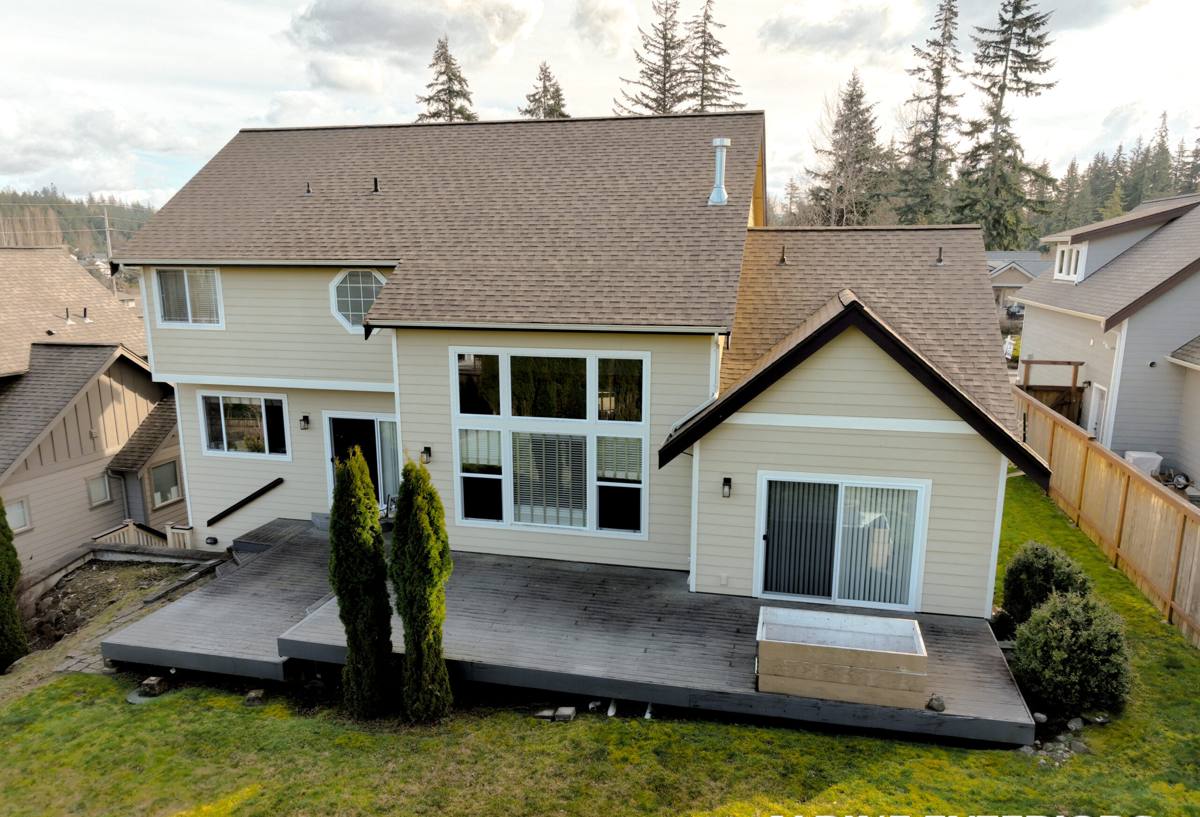
What Braden River Homes Typically Need
Braden River has a mix of housing stock — from older single-family homes with original or once-replaced window openings, to newer construction with more standardized rough openings. That mix matters because it changes what "custom" actually means for your house.
Older and Irregular Openings
Homes with settling, prior renovations, or non-standard framing often have openings that are slightly out of square or don't match current standard sizes. Forcing a stock window into one of these openings usually means extra caulk and shims doing the job that a properly sized frame should do — and that's exactly where wind-driven rain finds its way in during a summer storm.
Newer Construction with Code-Driven Requirements
Homes built or substantially renovated more recently are more likely to fall under stricter wind-borne debris and impact requirements, particularly depending on your specific location relative to the coast and your home's wind exposure category. Custom windows here are less about fitting odd shapes and more about matching the correct pressure and impact rating to each opening, since ratings can vary by elevation, size, and even which side of the house the window is on.
What a Correct Window Installation Actually Involves
A window is only as good as the opening it's set into and the flashing and sealing details around it. Most window failures we get called out to inspect in this area aren't glass failures at all — they're installation failures. Here's what we consider non-negotiable on every job:
- Removing the old window fully and inspecting the rough opening for rot, moisture damage, or framing issues before anything new goes in
- Correcting any framing or water-damaged sheathing found during removal, rather than installing over it
- Installing proper flashing (not just caulk) to direct water down and out, away from the wall assembly
- Using manufacturer-specified fasteners and anchoring patterns rated for the window's wind rating — not generic screws
- Sealing with the correct sealant for the substrate and exposure, applied in the right sequence relative to flashing (sealant is not a substitute for flashing)
- Checking that the window operates smoothly and locks fully before calling the job complete
- Verifying interior and exterior trim is sealed and finished so no gap is left exposed to weather
Skipping any one of these steps is how a brand-new, correctly rated window still ends up leaking or failing prematurely. The window product matters, but the installation is where most of the real protection comes from.
Choosing the Right Window Type for This Area
There's no single "best" window for every Braden River home — the right choice depends on your home's exposure, your budget, and how much upkeep you want to take on. Here's how the common options generally compare for this climate:
| Frame Material | UV/Sun Exposure Behavior | Salt Air Considerations | Typical Maintenance |
|---|---|---|---|
| Vinyl | Good with UV-stabilized formulations; quality varies by manufacturer | No corrosion risk on the frame itself; hardware quality still matters | Low — occasional cleaning |
| Aluminum | Handles heat and sun well structurally | Needs a quality finish/coating to resist salt corrosion over time | Moderate — watch for finish wear near coastal exposure |
| Fiberglass | Very stable under UV and temperature swings; low expansion/contraction | Naturally corrosion-resistant | Low to moderate |
| Wood-clad | Requires a durable exterior cladding to protect the wood core from UV and moisture | Higher risk if cladding is compromised; more maintenance-sensitive | Higher — periodic inspection of cladding and seals |
We don't push a single brand or material as "the only option" — we walk through your specific exposure (how much direct sun, how close to open water or salt-laden air, which direction the window faces) and help you weigh upfront cost against long-term maintenance and durability for your situation.
Impact Glass vs. Standard Glass with Shutters
Two approaches meet Florida's wind-borne debris requirements: laminated impact-rated glass, or standard glass protected by code-approved shutters. Impact glass stays in place permanently and adds UV and sound benefits year-round, while shutter systems cost less upfront but require you to deploy them before every storm. For homes where deploying shutters in time isn't realistic — second homes, homes near evacuation zones, or owners who travel — impact glass is usually the more practical long-term choice.
Our Process for a Braden River Window Job
We keep the process straightforward because window replacement shouldn't be a mystery, and it shouldn't require you to babysit the crew to make sure it's done right.
- On-site assessment. We measure every opening individually, note any framing or moisture issues, and confirm the wind/impact rating your home needs based on its location and exposure.
- Product selection. We go over frame material, glass package, and configuration options based on your budget and priorities, with honest trade-offs — not a hard sell toward the most expensive option.
- Written estimate. You get a clear, itemized quote before any commitment, including what's covered and what isn't.
- Scheduling around weather. Window replacement means open walls for a period of time, so we plan installation days around the forecast, particularly during storm season.
- Removal and opening inspection. Old windows come out, and we inspect and repair the opening before the new window goes in — this is where hidden problems get caught, not covered up.
- Installation to manufacturer and code specifications. Flashing, fastening, and sealing done in the correct order, matched to the window's rated installation method.
- Final walkthrough. We test operation, check seals, and confirm everything is finished and clean before we consider the job done.
Cost Factors Worth Understanding Upfront
Window pricing varies enough that a flat number isn't honest. What actually drives the cost on a Braden River job:
| Factor | Why It Affects Cost |
|---|---|
| Wind/impact rating required | Higher-rated impact glass and reinforced frames cost more than standard glass |
| Frame material | Vinyl, aluminum, fiberglass, and wood-clad carry different material and manufacturing costs |
| Opening condition | Rot or framing repair discovered during removal adds labor and material |
| Number and size of openings | Larger or custom-shaped windows require more material and precision fabrication |
| Configuration | Single-hung, double-hung, casement, sliding, and picture windows all price differently |
| Access and site conditions | Second-story or hard-to-access openings take more time and equipment |
We'd rather walk your home and give you real numbers than quote a range that doesn't hold up once we see the actual openings.
Why Local Experience in Braden River Matters
Window installation standards don't change much from one neighborhood to the next, but the practical knowledge of how a specific area's homes were built, what soil and settling patterns look like, and what wind exposure categories apply where — that comes from working the area repeatedly, not from a one-time job. A crew that already knows Manatee County's permitting process, understands the wind zone requirements for this part of the Gulf Coast, and has seen how local homes typically hold up (or don't) after a few storm seasons will make fewer assumptions and catch more problems before they become callbacks.
We're also positioned to respond quickly if something needs attention after installation — a stuck sash, a seal that needs a second look — because we're not driving in from across the state for a single job.
Signs Your Current Windows May Already Be Failing
- Fogging or condensation between panes (a sign the seal has failed)
- Difficulty opening, closing, or locking a window that used to operate smoothly
- Visible daylight or air movement around the frame
- Soft or discolored trim or drywall near a window
- A noticeable increase in outside noise or a draftier room than the rest of the house
- Chalky, pitted, or corroded hardware and frame finish
Any of these on their own isn't necessarily an emergency, but they're worth having looked at before the next storm season rather than after.
Let's Take a Look at Your Home
If you're weighing a window replacement in Braden River — whether it's one problem window or a full-home project — we're happy to come take a look, answer questions honestly, and put together a written estimate with no pressure to commit on the spot.