 Bradenton Siding
 Why Bradenton Beach Puts Different Demands on Siding
Bradenton Beach sits on a barrier island exposed to the Gulf of Mexico, and that exposure changes what "good siding" means. Homes here take a steady combination of salt-laden air, wind-driven rain, intense year-round UV, and the threat of hurricane-force gusts during the season. Any one of those on its own is manageable. Together, over years, they punish a siding product's fasteners, seams, paint film, and substrate faster than almost anywhere else in Manatee County.
Salt air corrodes exposed metal fasteners and trim over time, which is why fastener choice and flashing detail matter as much as the siding panel itself. Wind-driven rain finds any gap in a lap joint or a poorly caulked penetration and pushes water sideways into the wall assembly, not just down. UV breaks down pigments and resins in lesser paint systems, leading to fading and chalking well before a homeowner expects to repaint. And wind uplift during tropical systems tests every nail, clip, and overlap in the installation — not just the rating printed on the product box.
None of this means siding is a losing battle on the island. It means the product and the installation both have to be matched to the environment, not just to a price point.
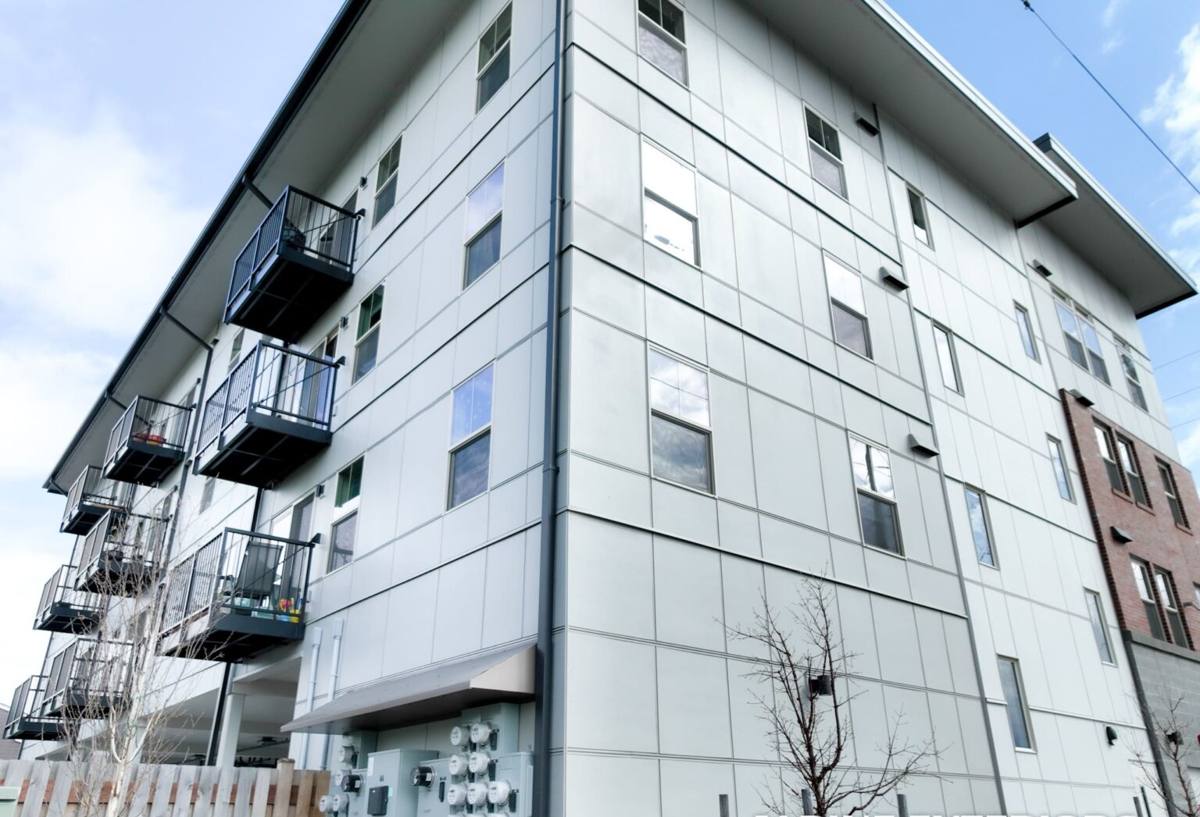
What Correct Fiber Cement Installation Involves Here
Fiber cement itself — dense, cement-based board that doesn't rot, warp, or feed pests — is a strong starting point for a Gulf-front home. But the material is only half the equation. A correct installation on Bradenton Beach accounts for details that get skipped on easier inland jobs:
- Fastener spacing and type matched to the local wind zone, not the manufacturer's minimum inland spec
- Rainscreen or proper drainage plane behind the siding so any moisture that gets past the surface has somewhere to go
- Correct starter strip and flashing at the base of walls, window and door heads, and any roof-to-wall transitions
- Sealed and back-primed cut edges wherever a board is field-cut, since a raw cut edge is the fastest path for moisture into the board
- Proper lap and clearance from grade, decks, and roof lines so standing water and splash-back don't sit against the bottom course
Skip any one of these and you can still end up with premature caulk failure, streaking at trim joints, or moisture intrusion behind the cladding — even though the siding itself is a good product. This is where most of the "siding failures" homeowners hear about actually originate: installation shortcuts, not the material.
Why We Only Install James Hardie
We install James Hardie fiber cement exclusively — not other fiber cement brands, and not vinyl, wood, or engineered wood alternatives. Hardie's HardieZone system includes a product line (HZ5) engineered specifically for high-humidity, storm-exposed climates like ours, and its ColorPlus factory-applied finish is baked on under controlled conditions rather than field-painted, which matters directly for UV and salt resistance. That combination — the right base product plus a finish designed for this climate — is why we standardized on it rather than mixing brands or substituting a cheaper alternative when a homeowner asks.
James Hardie Product Lines Suited to This Climate
Not every Hardie product is identical, and matching the right line to a Gulf-front home is part of doing the job correctly.
| Product | Best Use on Bradenton Beach | Why It Fits |
|---|---|---|
| HardiePlank Lap Siding (HZ5) | Primary wall cladding, most homes | Engineered for high-humidity, hurricane-exposed zones |
| HardiePanel Vertical Siding | Accent walls, gable ends, coastal/board-and-batten looks | Clean vertical lines that shed wind-driven rain well |
| HardieTrim Boards | Corners, fascia, window and door surrounds | Matches siding durability so trim doesn't fail first |
| HardieSoffit Panels | Eaves and overhangs | Resists moisture and pests in humid, shaded areas |
ColorPlus finishes are available across these product lines in a range of colors designed to hold up under direct coastal sun, which matters on an island where afternoon glare off the water intensifies UV exposure on west- and south-facing walls.
Fiber Cement vs. the Alternatives, Honestly
Homeowners on the island often ask why we don't offer cheaper alternatives. Here's the honest comparison, without overstating anyone's shortcomings:
| Factor | Vinyl Siding | Wood / Engineered Wood | James Hardie Fiber Cement |
|---|---|---|---|
| Wind resistance | Can deform or blow off in high gusts | Adequate if installed and maintained well | Rated for high-wind installation when installed to spec |
| Salt air / moisture | Doesn't rot, but seams and fasteners can fail | Vulnerable to rot and swelling without diligent upkeep | Cement-based, does not rot or absorb moisture like wood |
| UV / color retention | Fades and can look "plastic" over time | Field paint fades faster, needs repainting cycles | Factory ColorPlus finish resists fading longer |
| Fire | Combustible | Combustible | Non-combustible core material |
| Upfront cost | Lowest | Mid-range, varies by species/product | Higher upfront, longer service life |
Every one of those products has a legitimate place somewhere in the market. We simply made a professional decision, based on what holds up on Gulf-exposed homes over decades, to install only one of them.
How Our Process Works on a Bradenton Beach Home
The process is the same discipline every time, adjusted for the specific house:
- On-site inspection — we walk the exterior, check existing substrate condition, note wind exposure by elevation, and look at drainage around the foundation
- Written estimate — product line, color, trim details, and a clear scope so there's no ambiguity about what's included
- Substrate prep — repair or replace any damaged sheathing before a single new board goes up; siding over a compromised substrate just hides a bigger problem
- Weather-resistive barrier and flashing — installed or verified at every penetration, corner, and transition
- Siding installation — fastener pattern and spacing set for wind exposure, proper laps and clearances maintained throughout
- Trim, caulking, and touch-up — factory-matched sealants and touch-up paint at cut ends and fastener heads
- Final walk-through — we review the finished job with the homeowner before calling it done
None of these steps are optional shortcuts to skip when the schedule is tight. Skipping substrate repair or flashing detail is exactly how a siding job looks fine for two years and then fails at year five.
Why a Crew That Already Works This Island Matters
Barrier island jobs come with logistics that inland Manatee County jobs don't: bridge and causeway access affecting material delivery and scheduling, tighter lots with less staging room, salt-air corrosion considerations for job-site equipment and fasteners, and a good working knowledge of how wind exposure varies by which side of the island a home sits on. A crew that regularly works Bradenton Beach has already solved these logistics — which means fewer delays and fewer surprises for the homeowner, not a learning curve billed to your project.
Local familiarity also means knowing what actually goes wrong on Gulf-front homes versus what's just theoretical. That shows up in details like where we pay extra attention to flashing, which elevations get the most sun and wind exposure, and how we sequence work around storm season rather than leaving a home partially open to weather longer than necessary.
Living With Fiber Cement Siding in a Salt-Air Environment
Correctly installed Hardie siding is genuinely low-maintenance, but "low-maintenance" isn't "zero-maintenance" on an island. A simple annual routine keeps it performing:
- Rinse salt residue off the siding a few times a year, especially after storms, using a garden hose — no pressure washer aimed directly at seams or trim
- Inspect caulking at trim joints, window and door surrounds, and penetrations annually; recaulk if it's cracked or pulling away
- Check for and clear any debris buildup where siding meets roof lines or decks, so water doesn't sit against the bottom edge
- Watch for any soft spots, staining, or bubbling paint, which can signal a moisture issue worth addressing early rather than later
Compare that to the repainting cycles wood siding demands or the seam and fastener checks vinyl needs after wind events, and the maintenance case for fiber cement on this coastline holds up well.
What This Costs, Realistically
Total cost on any given Bradenton Beach home depends on square footage, how much trim and detail work is involved, current substrate condition, and product line and color chosen. Homes needing substrate repair, extensive trim replacement, or full tear-off of old siding will run higher than a straightforward re-side over sound sheathing. Rather than quote a number that doesn't apply to your specific home, we walk every property in person and provide a written estimate before any work begins — there's no obligation attached to that visit.
Questions Worth Asking Before You Hire
- Is the crew licensed and insured to work in Manatee County, and can they provide proof?
- Will they inspect and repair damaged substrate before installing new siding, or install over what's there?
- What fastener pattern and spacing will they use, and is it matched to this property's wind exposure?
- Is the product line they're proposing actually rated for this coastal environment, or just what they had on the truck?
- Do they have experience specifically on barrier island or Gulf-front homes, not just siding in general?
- What does the written warranty actually cover — material, labor, or both — and for how long?
If a contractor can't answer these clearly and in writing, that's worth noticing before you sign anything.
If you're weighing a siding project on Bradenton Beach, we're happy to walk the property, look at what's there now, and give you a straightforward, no-pressure estimate — just fill out the form below to get started.