 Bradenton Siding
 Deck Building in Tara: What Makes It Different
Tara is one of Bradenton's established residential communities, with a mix of homes backing up to ponds, preserve areas, and open green space. That setting is a big part of why decks are popular here — but it's also exactly why a deck built without Florida's climate in mind tends to fail early. A deck that would hold up fine in a drier, cooler state can start showing problems within a few years on the Gulf Coast: fasteners rusting, boards cupping, railings loosening, and footings settling after heavy rain events.
Building decks correctly in Manatee County means designing for four things at once: hurricane-force wind loads, near-constant UV exposure, wind-driven rain that gets up under and behind the structure, and salt-laden air that accelerates corrosion even several miles inland. None of these are exotic problems — they're just the baseline conditions every deck in this part of Florida has to be built to handle from day one.
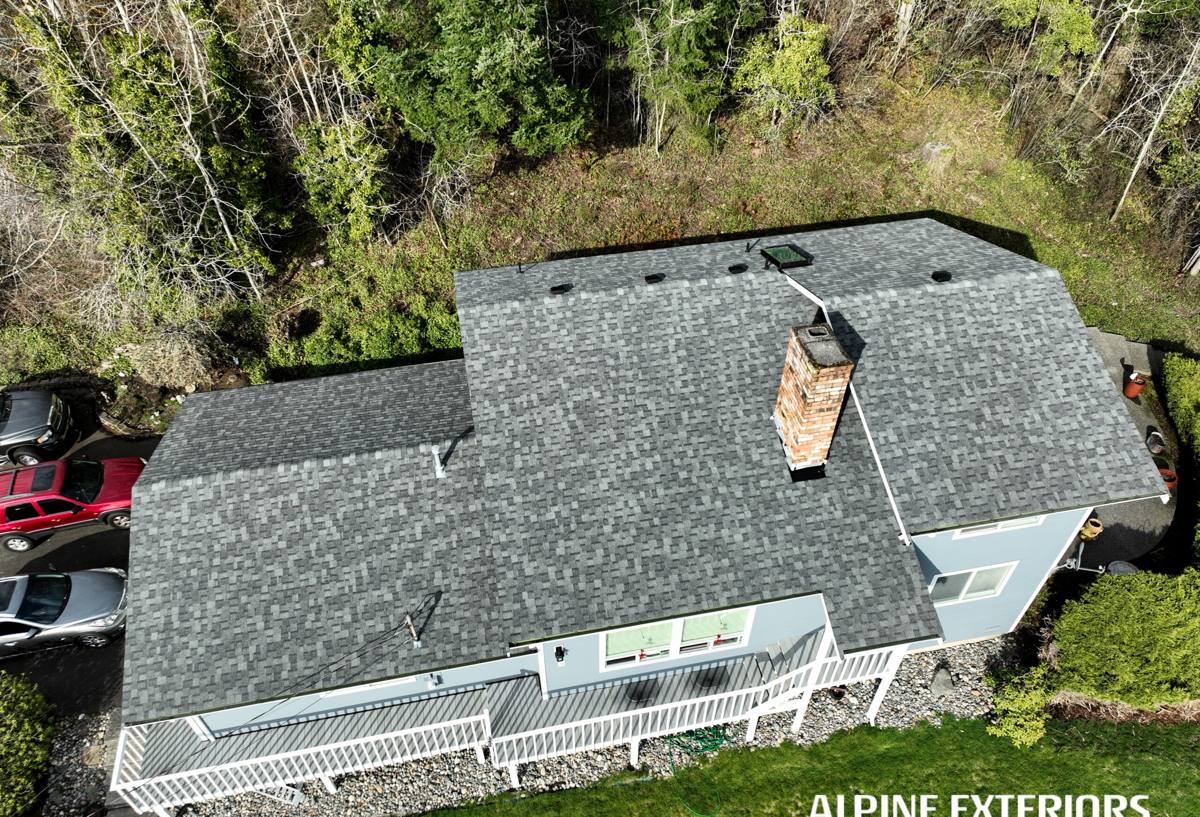
What Tara Homes Actually Need From a Deck
Every deck we build in Tara has to answer to the same set of local realities, whether it's a small platform off a lanai or a larger multi-level structure over a pool cage or pond view. A few of the biggest factors:
Wind Uplift, Not Just Wind Push
Hurricane and tropical-storm wind isn't just a sideways force — it creates uplift that can pull decking boards and even entire sections loose if they're only toe-nailed or under-fastened. Framing connections, ledger attachments, and railing posts all need to be engineered to resist that uplift, not just standard weight-bearing loads.
Water Management
Bradenton gets heavy, wind-driven rain during summer storm season, and Tara's proximity to water features means many lots already deal with higher groundwater and periodic standing water after storms. A deck's framing, footing depth, and flashing details all need to account for water that comes from below and sideways, not just straight down.
Salt Air Corrosion
Bradenton sits close enough to the Gulf that salt air affects metal hardware even on inland lots. Standard interior-grade screws, brackets, and joist hangers corrode fast here. Everything below the decking surface needs to be rated for coastal exposure, not just "outdoor use."
UV Degradation
Florida's sun is intense and consistent nearly year-round. Wood dries out, checks, and grays faster here than in most of the country, and lower-grade composite decking can fade or chalk within a few seasons if it isn't rated for high-UV climates.
Framing and Fasteners: Where Most Deck Failures Actually Start
Homeowners tend to judge a deck by its surface — the boards, the railing style, the finish. But the framing and fasteners underneath are what actually determine whether a deck lasts 10 years or 25. This is also where corner-cutting is easiest to hide, since it's invisible once the decking goes down.
- Ledger boards attached with lag bolts or through-bolts rated for the load, never just nailed to the house band board
- Joist hangers and structural connectors in stainless steel or hot-dip galvanized coastal-grade finish
- Pressure-treated framing lumber rated for ground contact where posts meet footings
- Post bases that keep wood off standing water rather than embedded directly in concrete
- Blocking and bracing sized for wind uplift, not just vertical load
- Flashing or membrane tape at the ledger-to-house connection to stop water intrusion into the wall structure
Skipping any one of these is rarely obvious at handoff. It shows up two or three years later as a soft spot, a rust stain bleeding through decking, or a railing post that's gone loose — all things that are far more expensive to fix after the fact than to build right the first time.
Choosing the Right Decking Material for Tara's Climate
There's no single "best" decking material for every home — it comes down to how much maintenance a homeowner wants to take on, the look they're after, and budget. What matters is picking a product rated for Florida's UV and moisture conditions, not a generic version meant for a milder climate.
| Material | Sun/UV Performance | Moisture & Salt Air Behavior | Maintenance |
|---|---|---|---|
| Pressure-treated wood | Grays and checks over time without regular sealing | Needs periodic sealing to resist warping and rot | Annual cleaning and re-sealing recommended |
| Tropical hardwood | Naturally dense, holds up well but will still gray if unsealed | Good natural rot resistance; hardware still needs coastal rating | Periodic oiling for color retention |
| Capped composite | Fade-resistant caps hold color much longer than wood | Doesn't absorb moisture or rot; resists salt air well | Occasional washing, no sealing or staining |
| Uncapped/lower-grade composite | Can chalk or fade faster in intense, consistent sun | More prone to moisture absorption at cut edges | Low, but shorter realistic lifespan in this climate |
We'll walk through these trade-offs honestly during an estimate — including where a lower-cost option makes sense and where it's likely to cost more in maintenance or early replacement than it saves up front.
Building to Florida's Wind Load Requirements
Manatee County follows the Florida Building Code, which sets wind load and structural requirements based on local wind zones — and those requirements exist because of real storm history along the Gulf Coast, not as a formality. For a deck, that means the engineering isn't optional extras; it's the baseline for permitting.
In practice, that shows up in a few concrete ways: railing systems that meet code height and baluster spacing so they don't become a hazard in high wind, post-to-footing connections designed to resist both lateral force and uplift, and beam and joist spans sized to the actual load requirements for the structure's height and use — not just "what's typically fine." A deck attached to the house also has to be tied in a way that doesn't stress the home's existing structure during a wind event.
This is also why we don't cut spans or fastener schedules to save material cost. A deck that technically stands up on a calm day but wasn't built to the load requirements for this area is a deck that's more likely to fail exactly when it matters — during a storm.
Our Deck Building Process
Every deck project follows the same general sequence, whether it's a straightforward rectangular platform or a more involved multi-level design around a pool or water view.
- On-site assessment — we look at the grade, drainage, existing structure attachment points, and how the deck will actually be used before drawing anything up.
- Design and material selection — sizing, layout, railing style, and decking material are worked out with the homeowner, including honest trade-offs between options.
- Permitting — we handle the Manatee County/City of Bradenton permit submission and the engineering documentation it requires.
- Footings and framing — footings are set to the required depth and load rating, and framing goes in with coastal-grade fasteners and connectors throughout.
- Decking and railing installation — boards and railing are installed to code spacing and fastening specs, with attention to expansion gaps for whichever material was chosen.
- Final inspection — the completed structure is signed off by the county before we consider the job done.
We don't skip the permitting or inspection steps to save time. An unpermitted deck can create real problems at resale, with insurance claims, and in some cases with code enforcement — it's not worth the shortcut.
Permitting in Manatee County
Almost any new deck attached to a home in Manatee County requires a building permit, along with engineered plans for anything beyond the most basic ground-level platform. Some Tara properties may also have HOA architectural review requirements on top of the county permit, depending on the section of the community. We handle the county side of this directly and can walk homeowners through whatever their HOA process requires so nothing holds up the project unexpectedly.
Maintaining a Deck in Bradenton's Climate
Even a well-built deck needs some ongoing attention in this climate — the goal is to make that maintenance predictable and manageable rather than a surprise.
- Rinse off salt residue, pollen, and debris periodically, especially after storms
- Check railing posts and stair connections annually for any looseness
- Reseal or re-stain wood decking on the schedule appropriate for the product used
- Inspect fastener heads and hardware for early rust staining, which usually signals a non-coastal-rated fastener was used somewhere
- Keep gutters and downspouts near the deck clear so water isn't dumping directly onto framing or footings
- Trim back vegetation that holds moisture against ledger boards or framing
A deck built with the right materials and fasteners from the start needs far less of this than one that was built to a lower standard, but no deck in this climate is truly maintenance-free.
Why a Crew That Already Works in Tara Matters
Deck building isn't identical from one Florida neighborhood to the next. A crew that regularly works in Tara already understands the county's permitting process, has a feel for typical lot drainage and elevation in the area, and knows what inspectors in this jurisdiction are looking for — which means fewer surprises and fewer delays. It also means we're not learning Manatee County's wind load and setback requirements for the first time on a homeowner's project.
Just as important, a local crew is accountable locally. If a fastener starts showing rust or a board cups earlier than it should, we're not a company that did one job in the area and moved on — we're reachable, and we stand behind the work.
Signs You're Getting a Deck Built the Right Way
Whether you're evaluating our proposal or comparing quotes, these are reasonable things to expect from any deck contractor working in this climate:
- A written scope that specifies fastener and hardware type, not just "quality materials"
- A permit pulled in the county's name before work begins on anything beyond a small ground-level platform
- Footing depth and post spacing explained, not just assumed
- A clear answer on which decking products are rated for high-UV, coastal climates versus general outdoor use
- A final inspection and sign-off, with documentation you can keep for insurance or resale purposes
If a proposal is vague on any of these points, it's worth asking follow-up questions before signing.
If you're planning a new deck in Tara or need an honest opinion on an existing one, we're happy to take a look and walk the property with you. Estimates are free, there's no pressure, and you'll get a straightforward explanation of what your home actually needs — not just a quote.