 Bradenton Siding
 Deck Repair for Southgate Homes
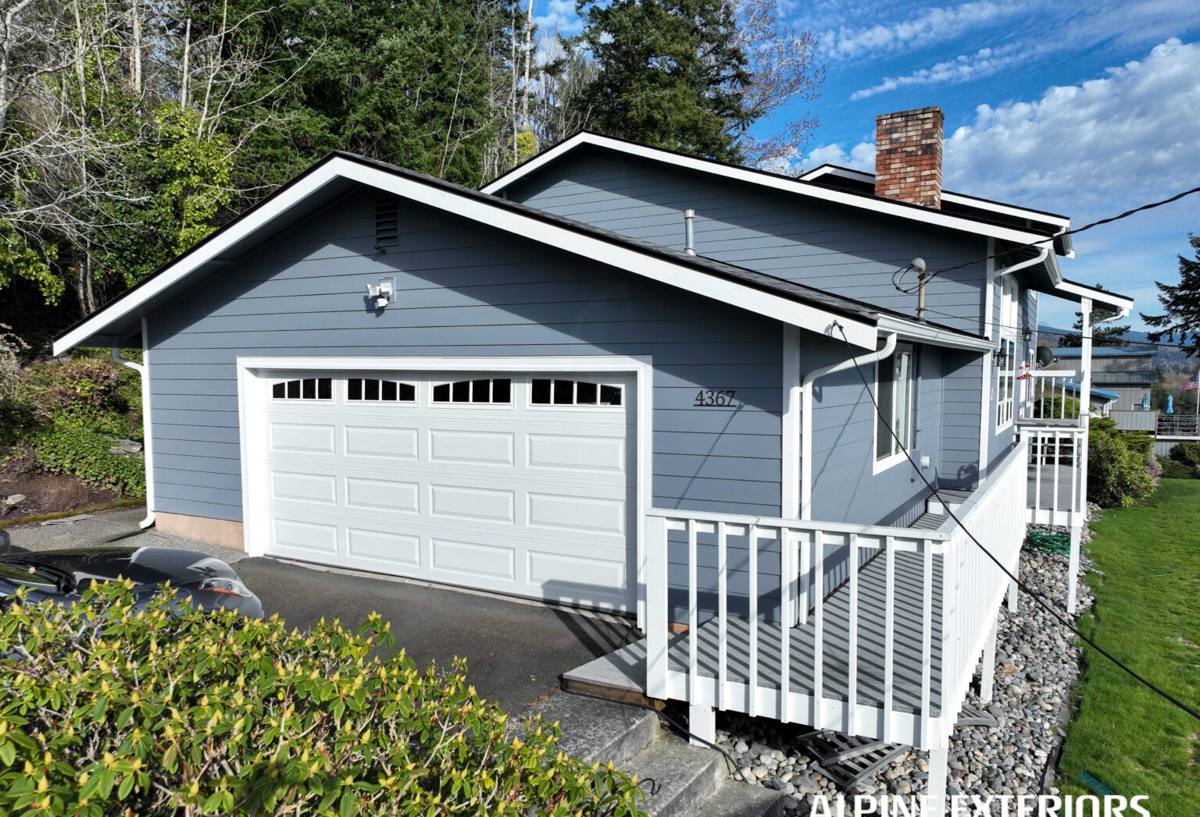
A deck in Southgate does a lot of work most homeowners never think about until something gives way underfoot. Between the Gulf Coast humidity, the intense sun, and the salt-tinged air that drifts inland off Tampa Bay, an outdoor structure here ages faster than the same deck would in a drier, cooler climate. We repair decks for homeowners throughout this part of Bradenton, and the patterns we see are consistent: fastener corrosion, ledger board separation, soft or splintering boards, and railing that's lost its grip on the posts. None of that means the whole structure needs to be torn out. Most of the time, a deck can be brought back to solid, code-correct condition with targeted repair work, as long as the person doing it understands what Manatee County weather actually does to wood, hardware, and composite materials over time.
What Bradenton's Climate Does to a Deck
It's worth being specific about why decks fail here, because the failure points are different from what you'd see up north.
Sun and UV
Bradenton sees strong, direct sun nearly year-round. UV exposure breaks down the lignin in wood fibers, which is what causes graying, surface checking, and that rough, splintery texture on boards that haven't been resealed in a few seasons. Composite decking isn't immune either — UV degrades the outer cap layer over many years, though at a much slower rate than untreated or under-maintained wood.
Wind-Driven Rain and Humidity
Afternoon storms don't just wet the deck surface — wind-driven rain gets pushed sideways into joints, under railings, and into any gap where flashing or caulking has failed. Combined with our humidity, that moisture doesn't dry out quickly, which is exactly the condition that leads to rot in framing lumber and corrosion in fasteners.
Salt Air
Southgate isn't right on the water, but this whole stretch of Manatee County still sees salt-laden air moving in off the coast. Salt accelerates corrosion in anything metal — screws, joist hangers, bolts, nails — and corroded fasteners are one of the most common structural issues we find on decks that otherwise look fine from a distance.
Hurricane-Force Wind Loads
Even outside of a named storm, this region gets strong wind events that put real lateral load on railings, stair stringers, and the ledger board connection to the house. A deck that was built to minimum code twenty years ago wasn't necessarily built with today's wind expectations in mind, and repeated wind loading over the years can loosen connections that were never quite right to begin with.
Signs Your Deck Needs Repair, Not Just Cleaning
A pressure wash and a fresh coat of stain can make a tired deck look better without addressing what's actually wrong underneath. Here's what tells us a deck needs real repair work:
- Boards that feel spongy, bouncy, or soft when you walk across them
- Visible gaps opening up between the deck and the house at the ledger board
- Railings or posts that wiggle or flex when pushed
- Rust streaks running down from screw heads or metal connectors
- Stair stringers that feel uneven or slightly loose underfoot
- Wood that's gone gray and fibrous, or composite boards that have visibly faded or flaked at the cap layer
- Standing water that doesn't drain off the surface within an hour or two of rain
- Gaps or cracks around support posts where they meet footings
Any one of these on its own might be minor. Several together usually mean the structure needs a closer look before it gets used for another summer of grilling and gatherings.
Wood, Composite, and PVC: What Repair Looks Like for Each
The right repair approach depends heavily on what the deck is built from. Southgate has a mix of older pressure-treated wood decks and newer composite and PVC installations, and each material fails — and gets fixed — differently.
| Material | Common Failure Point | Repair Approach |
|---|---|---|
| Pressure-treated wood | Rot at ground contact points, fastener corrosion, UV graying | Sister or replace rotted framing, swap corroded hardware for stainless or coated fasteners, sand and reseal boards |
| Composite decking | Fading, cap layer wear, board expansion/contraction at joints | Replace individual boards, correct fastener spacing to allow for movement, address drainage under the deck |
| PVC/vinyl decking | Surface scratching, seam separation, discoloration near grills or fire pits | Panel or board replacement, reseat trim and fascia, heat-related damage often requires section replacement |
| Aluminum/metal railings | Corrosion at welds and connection points, loose balusters | Hardware replacement, weld inspection, refinishing or powder coat touch-up where feasible |
We don't push homeowners toward a full material swap unless the existing decking is genuinely beyond repair. A wood deck with sound framing and a few bad boards doesn't need to become a composite deck — it needs the bad boards replaced and the framing protected going forward.
What a Correct Repair Actually Involves
A repair that only addresses what's visible from the top of the deck tends to fail again within a season or two. A repair done right starts underneath.
Structural Framing First
Joists, beams, and posts get checked for soft spots, splitting, and rot before anything on the surface gets touched. If framing is compromised, board replacement on top of it is just cosmetic and won't hold up.
The Ledger Board Connection
This is the single most important structural point on most decks — it's what ties the deck to the house. We check for gaps, water intrusion behind the flashing, and whether the original fastening pattern meets current standards. A ledger board that's separating from the house, even slightly, is a safety issue, not a cosmetic one.
Fasteners and Connectors
Given how hard salt air and humidity are on metal here, we replace corroded screws, bolts, and joist hangers with stainless steel or coated hardware rated for coastal exposure — not the cheapest option, but the one that won't need redoing in five years.
Drainage and Airflow Underneath
Decks that sit low to the ground or have poor airflow underneath trap moisture, which speeds up rot regardless of material. Where we can improve grading, add ventilation, or clear debris that's blocking airflow, we do it as part of the repair.
Common Issues We See on Southgate Decks
Elevated and Pool-Adjacent Decks
Homes with pool decks or elevated structures see extra exposure to pool chemicals combined with sun and moisture, which can accelerate wear on both wood and metal hardware near the pool's edge.
Ground-Level and Low-Clearance Decks
Decks built close to grade often have limited airflow underneath, which in our humidity means framing stays damp longer after rain. These need closer inspection at the joists and posts, since rot here isn't always visible from above.
Older Decks Built Before Current Wind Code Updates
Manatee County has updated wind-load and connection requirements over the years. A deck built decades ago may have railing or guard post connections that don't meet current standards, even if they looked fine at the time.
Our Repair Process
- On-site inspection. We get under the deck, not just on top of it, checking framing, ledger connection, fasteners, and drainage.
- Honest scope and estimate. We tell you what actually needs repair, what's still sound, and what to keep an eye on going forward — no upsell to a full replacement unless that's genuinely the better value.
- Repair work. Framing, boards, railings, stairs, and hardware get addressed in the order that matters structurally — framing and connections first, cosmetic surface work last.
- Final walkthrough. We check the repaired areas with you before calling the job done, so you know what was fixed and why.
Repair vs. Replace: What Actually Drives the Decision
| Factor | Leans Toward Repair | Leans Toward Replacement |
|---|---|---|
| Framing condition | Solid, isolated soft spots | Widespread rot or repeated past patch jobs |
| Ledger board | Sound connection, minor flashing issue | Significant separation or water damage behind it |
| Age of decking material | Under 10-15 years, isolated board damage | Original material near or past its expected service life |
| Code compliance | Meets current standards with minor updates | Railing height, spacing, or connections outdated throughout |
| Budget priority | Extend usable life at lower upfront cost | Reset the clock and avoid recurring repair costs |
Repair costs vary widely depending on scope — a handful of boards and some hardware is a modest job, while extensive framing rot or a compromised ledger board connection is a bigger undertaking. We give you real numbers after the inspection, not a guess over the phone.
Permits and Manatee County Requirements
Depending on the scope of work, deck repairs in Manatee County can require a permit — particularly when structural framing, railings, or the ledger connection are involved, as opposed to simple board replacement. We handle the permitting conversation as part of the process so the work is done to code and won't create problems if you sell the home later or need insurance documentation.
Why a Local Southgate Crew Matters
A crew that already works this part of Bradenton knows what a deck in this neighborhood is up against without needing it explained — the humidity, the salt air, the sun, and the wind loads that come with living on this stretch of the Gulf Coast. That local familiarity shows up in the details: knowing which fastener grades actually hold up here, knowing how Manatee County's permitting works for repair versus new construction, and being close enough to come back quickly if a follow-up question comes up after the work is done. It also means we're not guessing at how a repair will hold up in this climate — we've seen how these materials and connections perform in Southgate conditions specifically, not just in a manufacturer's spec sheet.
If your deck has a soft spot, a wobbly rail, or you just haven't had it looked at in a few years, we're happy to come take a look. Fill out the form below for a free, no-pressure estimate — we'll tell you honestly what needs attention and what can wait.