 Bradenton Siding
 Why Ellenton Roofs Take a Different Kind of Beating
Ellenton sits close enough to Tampa Bay and the Manatee River that every roof in the area deals with the same combination of stresses: hurricane-force wind gusts during storm season, brutal year-round UV exposure, wind-driven rain that finds every weak seam, and a steady dose of salt air drifting in off the water. None of these factors is dramatic on its own in any single week, but stacked together over years, they age a roof faster than the same shingles would age almost anywhere inland. A roofing job that would hold up fine in a drier, calmer climate can fail early here if it wasn't built with these specific conditions in mind.
That's the difference between a roof that's just "installed" and one that's installed correctly for Manatee County. The materials matter, but so does the nailing pattern, the underlayment choice, the flashing detail work, and the ventilation strategy. We've built our process around what actually holds up in this part of Florida, not around the fastest way to close out a job.
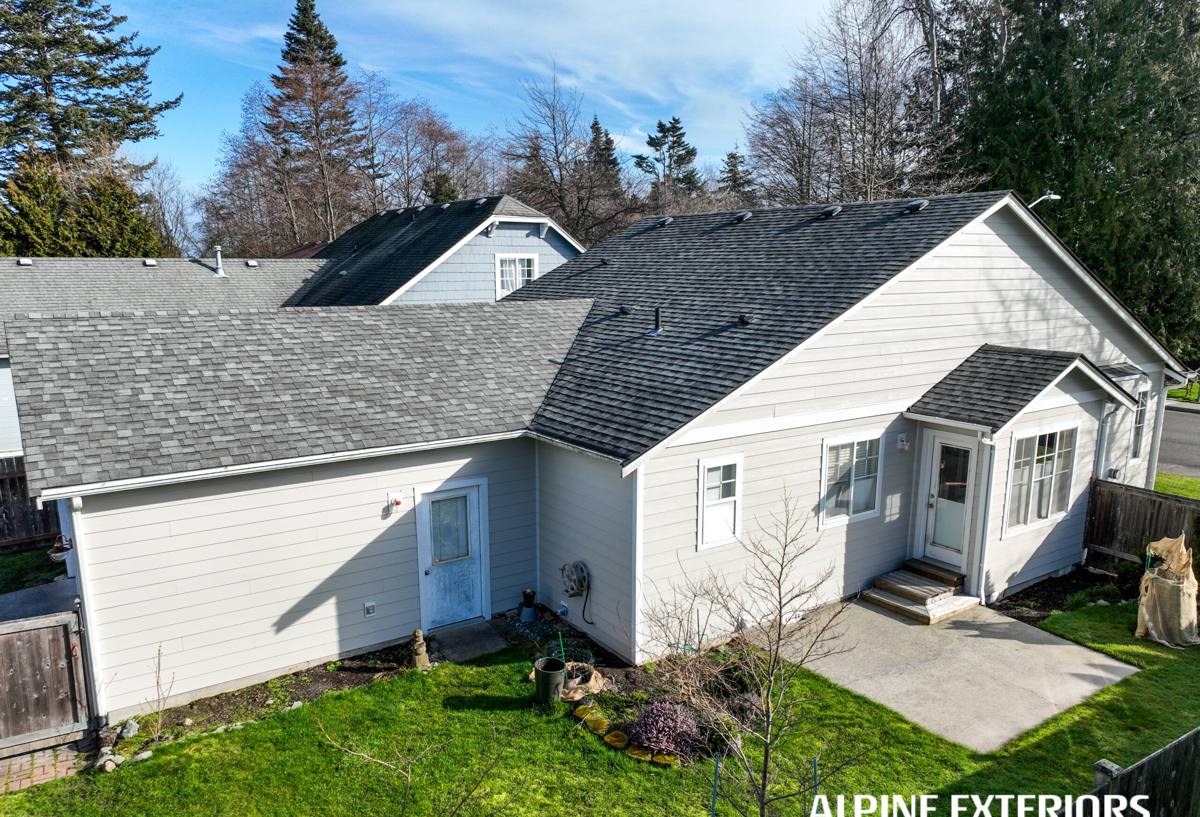
What a Correct Asphalt Shingle Roof Involves Here
Underlayment That Can Handle Wind-Driven Rain
Standard felt underlayment is not our default for Ellenton homes. Wind-driven rain during summer storms and tropical systems can push moisture up and under shingle tabs, especially near ridges, valleys, and roof edges. A synthetic underlayment, paired with self-adhering waterproof membrane at the eaves, valleys, and any roof penetration, gives the deck a second line of defense if wind ever lifts a shingle edge.
Nailing Pattern and Fastener Count
Shingles rated for high wind only perform to that rating if they're fastened correctly. That means the right number of nails per shingle, placed in the manufacturer's specified nail line, driven flush (not overdriven, not underdriven) into solid decking. This is one of the most common shortcuts on rushed roofing jobs, and it's invisible from the ground until a wind event peels shingles that should have held.
Flashing and Sealant Detail Work
Most roof leaks don't start in the open field of shingles — they start at transitions: chimneys, skylights, wall intersections, plumbing vents, and roof-to-wall junctions. Salt air accelerates corrosion on lower-grade metal flashing, so we use corrosion-resistant flashing and proper step-and-counter-flashing techniques rather than relying on caulk or sealant alone to bridge a gap.
Deck Inspection Before Anything Goes Down
Once old shingles come off, the plywood or OSB deck underneath gets inspected for soft spots, delamination, or water staining. Any compromised decking gets replaced before new underlayment goes down. Skipping this step is how a new roof ends up with a soft spot or a leak within a couple of years, because the failure was already there and got covered up instead of fixed.
Shingle Class Comparison for Coastal Manatee County Conditions
Not all asphalt shingles are built the same, and the difference matters more here than in calmer inland climates. Here's how the common tiers generally compare for a Gulf Coast property:
| Shingle Type | Typical Wind Rating | Best Fit | Relative Cost |
|---|---|---|---|
| 3-Tab (standard) | Lower wind rating, lighter weight | Budget-conscious projects, less wind exposure | Lowest |
| Architectural / Laminate | Higher wind rating, heavier profile | Most Ellenton homes — the practical standard | Moderate |
| Premium/Designer Architectural | High wind rating, thicker construction | Homeowners wanting a heavier look plus durability | Higher |
| Impact-Rated (Class 4) | High wind rating plus impact resistance | Storm-prone properties, potential insurance credit | Highest |
We'll walk through actual product lines and their published wind and warranty specs during your estimate — this table is meant to frame the general trade-offs, not replace a look at the manufacturer's current documentation for whatever shingle you're considering.
Signs an Ellenton Roof Needs Attention
Because so much roof damage starts small and hidden, it helps to know what to look for before a minor issue becomes a ceiling stain. Walk your property periodically and watch for:
- Shingles that look curled, cupped, or cracked, especially on the sides that face prevailing wind
- Granules collecting in gutters or at downspout outlets — a sign of shingle surface wear
- Dark streaking or discoloration, which can indicate algae growth common in humid coastal air
- Soft or spongy spots when walking the roof, suggesting deck moisture underneath
- Visible gaps or lifted edges around flashing at chimneys, vents, or skylights
- Missing shingles or exposed nail heads after a storm, even a moderate one
- Daylight visible through the attic roof deck, or musty odor in the attic space
- Water stains on interior ceilings, especially near exterior walls or roof valleys
Catching any of these early is almost always cheaper than waiting. A small flashing repair now is a fraction of the cost of replacing water-damaged decking, insulation, and drywall after a slow leak has had months to spread.
How Our Ellenton Roofing Process Works
- On-site inspection. We walk the roof and attic, check the deck condition, note existing ventilation, and measure the roof for an accurate material estimate.
- Honest written estimate. You get a clear scope of work — shingle type, underlayment, flashing plan, and a real price — before any work is scheduled. No pressure, no upsells buried in fine print.
- Permitting. Roofing work in Manatee County requires a permit, and wind mitigation details matter for both code compliance and your insurance paperwork. We handle this as part of the job.
- Tear-off and deck check. Old roofing comes off down to the deck, which gets inspected and repaired as needed before anything new goes down.
- Underlayment and flashing installation. Waterproof membrane at vulnerable areas, synthetic underlayment across the field, and new corrosion-resistant flashing at every penetration and transition.
- Shingle installation to spec. Correct nailing pattern, correct exposure, correct starter and ridge course installation — the details that determine whether a roof performs to its wind rating.
- Cleanup and final walkthrough. We clear debris, run a magnetic sweep for stray nails, and walk the finished roof with you before calling the job done.
Ventilation and Attic Considerations
Florida's heat and humidity make attic ventilation more than a comfort issue — it directly affects how long a roof lasts. An attic that traps heat can cook shingles from underneath, shortening their service life regardless of how good the shingle itself is. Poor ventilation also traps moisture, which contributes to deck rot and can encourage mold in the attic space.
Balanced intake (soffit vents) and exhaust (ridge vents or other exhaust vents) keep air moving through the attic, which reduces shingle temperature swings and helps control moisture. When we replace a roof, we evaluate whether the existing ventilation is adequate or whether it should be improved as part of the project — it's a lot easier to address while the roof is already open than to retrofit later.
Wind Mitigation and Insurance Considerations
In Florida, your roof isn't just a roofing decision — it's an insurance decision. Roof age, shingle type, and the way a roof is fastened and attached to the structure can all factor into wind mitigation credits on a homeowner's insurance policy. A properly documented roof replacement can be paired with an updated wind mitigation inspection, which may help with premiums depending on your carrier.
We're not insurance agents, and every carrier weighs these factors differently, but we make sure the roofing side of the equation — permits, installation records, and material specifications — is documented properly so you have what you need if you want to pursue a wind mitigation review afterward.
Maintenance That Extends Roof Life
A correctly installed asphalt shingle roof in this climate should still get periodic attention. A simple maintenance habit makes a real difference over the life of the roof:
- Keep gutters and downspouts clear so water doesn't back up under the roof edge
- Trim overhanging branches that can drop debris or scrape shingles in wind
- Have the roof looked at after any major storm, even if nothing looks obviously wrong
- Address small flashing or sealant issues promptly rather than waiting for a leak
- Schedule a periodic visual inspection every couple of years, especially as a roof ages
Why a Crew That Already Works Ellenton Matters
Roofing companies that work all over the state, or that fly into an area right after a storm, don't always know the local permitting process, the typical wind exposure patterns on a given street, or how salt air affects fastener and flashing choices a few miles from the water. A crew that regularly works in and around Bradenton and Manatee County already has that context built in — from what the local building department expects on a permit application to which detailing holds up best on homes exposed to Gulf Coast conditions year after year.
That local familiarity also means we're not learning on your roof. We've seen how different underlayment and flashing choices perform after multiple storm seasons in this exact climate, and we build that experience into every estimate we write.
Get a Straightforward Estimate
If your Ellenton home needs a roof inspection, a repair, or a full asphalt shingle replacement, we're glad to take a look and give you an honest assessment — no pressure, no inflated scare tactics, just a clear picture of your roof's condition and what it would take to get it right. Use the form below to request a free estimate.