 Bradenton Siding
 Siding Built for a Bay-Adjacent Manatee County Neighborhood
Whitfield Estates sits close enough to Sarasota Bay that homes here deal with a slightly different exposure profile than siding further inland — more consistent salt-tinged air, more direct sun off open water on some lots, and the same hurricane-season wind and wind-driven rain that the whole Bradenton area plans around every June through November. None of that is exotic or unusual for this part of Manatee County, but it does mean the exterior cladding on a Whitfield Estates home is doing real work year-round, not just sitting there looking finished.
We install James Hardie fiber cement siding exclusively, and this page is specifically about what that looks like for a home in this neighborhood — what the climate actually does to siding here, what a correct James Hardie installation involves, and how our process works from the first walk-around to the final inspection. If you're comparing materials or comparing contractors, this is the detail level we think that decision deserves.
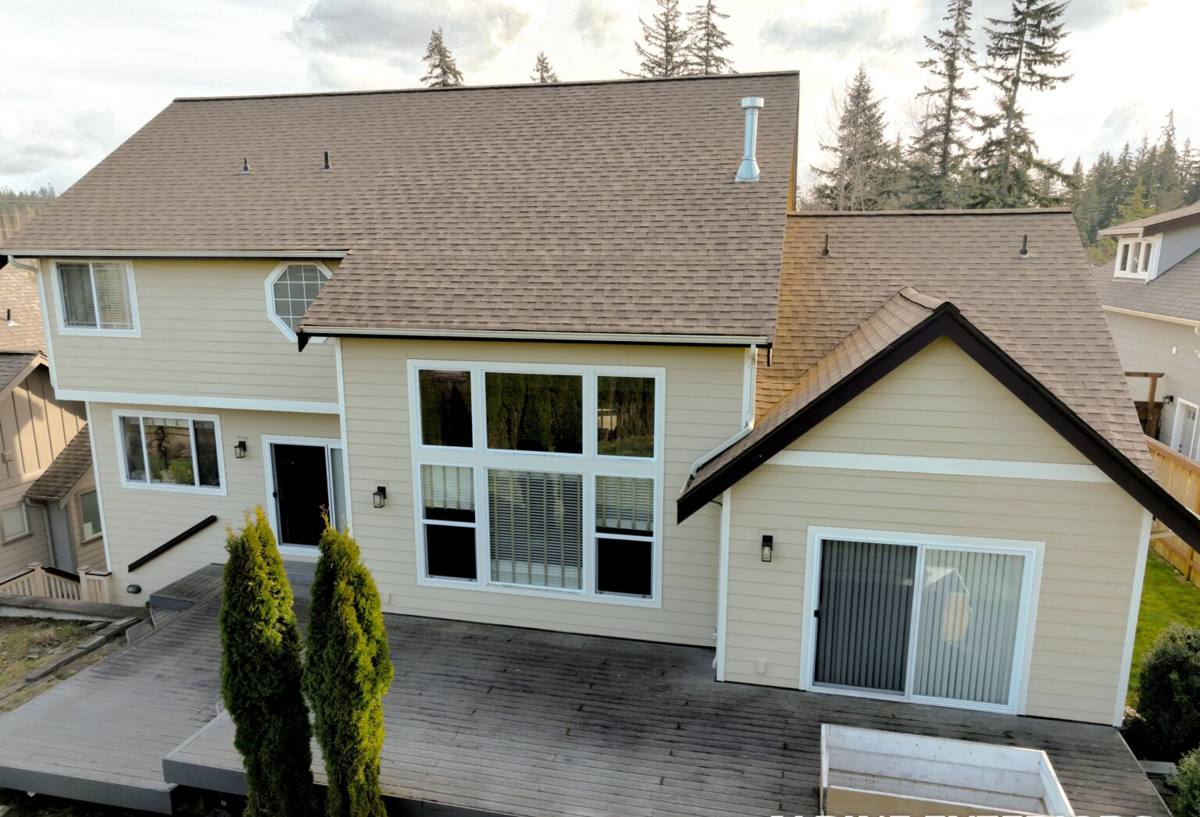
What Whitfield Estates' Climate Does to Exterior Siding
Older or lower-grade siding in this part of Bradenton tends to fail in a handful of predictable ways, and understanding them is the fastest way to understand why the material and installation choices below matter.
Wind and Wind-Driven Rain
Manatee County sees tropical storm and hurricane conditions on a near-annual basis, and even in a "quiet" year, seasonal thunderstorms push rain sideways into wall assemblies at speeds that expose weak fastening, poor flashing, and gapped seams fast. Siding that isn't rated for the wind exposure or isn't installed with the right fastener pattern and clearances can lift, crack at the edges, or let water track behind the panel long before it looks obviously damaged from the street.
Year-Round UV Load
Florida's sun angle and day length mean exterior finishes here take a heavier and steadier UV dose than siding in most of the country — there's no real winter break. Paint film and lower-grade coatings chalk, fade, and become brittle faster under that load, especially on south- and west-facing walls that catch the most direct exposure through the afternoon.
Salt Air
Whitfield Estates' proximity to Sarasota Bay puts it in the zone where salt-laden air is a real factor, not just a coastal-brochure phrase. Salt accelerates corrosion on fasteners, hardware, and any metal trim or flashing components, and it degrades certain coatings and adhesives faster than dry inland air does. It's a slower process than wind damage, but it's constant, and it's part of why fastener and flashing material choice matters as much as the siding panel itself.
Heat and Humidity Cycling
Between the heat, the humidity, and the frequent wetting-and-drying cycle typical of a Gulf Coast summer, wall assemblies here go through more moisture cycling than in drier climates. Materials that absorb water, swell, or support mold growth are working against the house instead of protecting it.
Why We Standardized on James Hardie for This Kind of Exposure
James Hardie fiber cement is engineered around cement, sand, and cellulose fiber — a composition that doesn't absorb water the way wood-based or wood-derived siding products do, and that won't ignite or contribute fuel to a fire, which matters in a state where lightning-sparked and wind-driven fires are a real, if less-discussed, risk alongside storms. For a coastal Manatee County property specifically, three things about the Hardie system line up directly with what this climate demands:
- HZ climate-engineered formulation: Hardie manufactures its fiber cement in region-specific HZ formulations, and the version specified for Florida and the Gulf Coast is engineered for high humidity, heat, and moisture exposure rather than being a one-size-fits-all national product.
- ColorPlus factory finish: A baked-on, factory-cured finish resists the fading, chalking, and cracking that field-applied paint struggles with under Florida's UV load, and it's backed by its own finish warranty separate from the substrate warranty.
- Non-combustible core: Fiber cement doesn't feed a fire, which is a meaningful, boring, unglamorous advantage that doesn't get talked about much until it matters.
We don't install LP SmartSide, vinyl, Cemplank, Allura, primed spruce, or cedar. That's not a knock on every homeowner who has one of those products on their house today — plenty of factors go into a past decision, and some of those materials have real strengths. It's a standard we hold for the work we do, based on how each of those products tends to perform against exactly the conditions described above: wood-based composites that depend on edge sealing and maintenance discipline to keep moisture out, vinyl that can distort or crack under sustained heat and impact, and other fiber cement brands that don't carry the same climate-specific engineering or finish warranty structure Hardie does. When we put our name on an installation, we want the material underneath it to be the one we'd choose for our own house in this neighborhood.
What a Correct James Hardie Installation Involves
The siding panel itself is only part of what determines how a home performs in Manatee County's climate. The installation details are where jobs succeed or fail long before anyone notices a problem.
Weather-Resistive Barrier and Flashing
A properly lapped weather-resistive barrier behind the siding, correctly integrated flashing at every window, door, and penetration, and correct kick-out flashing at roof-to-wall transitions are what actually keep wind-driven rain out of the wall assembly. Hardie's own installation instructions are specific about this, and skipping or rushing it is the single most common source of hidden moisture damage we find behind failing siding, regardless of brand.
Fastening for Wind Exposure
Fastener type, spacing, and embedment depth all have to match the wind zone the home sits in, which in coastal Manatee County generally means tighter fastener schedules and corrosion-resistant hardware than you'd see specified for a low-wind inland region. Under-fastened siding is a common cause of panels lifting or working loose during storm-season winds even when the siding material itself is fine.
Clearances and Gaps
Hardie specifies minimum clearances from grade, roofing, decks, and other abutting surfaces, along with specific gap and caulking requirements at butt joints and trim. These clearances exist to keep splashback, ponding, and standing moisture away from the board edges — the most vulnerable part of any fiber cement panel — and they're easy to shortcut on a fast job and hard to notice until years later.
Cut-Edge Sealing
Every field cut on a Hardie board exposes raw material that needs to be primed or sealed per manufacturer spec before installation. An unsealed cut edge is a direct path for moisture intrusion, and it's one of the most common corner-cutting mistakes on rushed installs.
| Installation Factor | Why It Matters Here | What We Do |
|---|---|---|
| Flashing at penetrations | Wind-driven rain finds any gap during storm season | Fully integrated flashing at every window, door, and penetration per Hardie spec |
| Fastener corrosion resistance | Salt air accelerates fastener corrosion near Sarasota Bay | Corrosion-resistant fasteners matched to coastal exposure |
| Board clearance from grade/roof | Standing moisture at board edges causes premature failure | Manufacturer-specified clearances maintained throughout |
| Cut-edge sealing | Raw fiber cement edges absorb moisture if left unsealed | Every field cut primed/sealed before it goes on the wall |
| Fastener schedule | Hurricane and tropical-storm wind loads are a near-annual reality | Fastening pattern matched to local wind zone requirements |
Our Process for a Whitfield Estates Project
Every job runs through the same sequence, whether it's a full re-side after storm damage or a new-construction install.
1. On-Site Assessment
We walk the property, look at current siding condition (if there is any), check for signs of existing moisture intrusion around windows, doors, and roof transitions, and talk through what you actually want out of the project — a straight re-side, a color and style change, storm-damage repair, or something else.
2. Product and Color Selection
We go through Hardie's HZ product lines and ColorPlus color families with you, factoring in your home's orientation (south- and west-facing walls take the heaviest sun and salt exposure here), your roofline, and your neighborhood's general character.
3. Permitting
Manatee County and the local jurisdiction require permits for siding replacement, and wind-zone compliance documentation is part of that process in a hurricane-exposed area like this. We handle the permit application and inspections as part of the job — it's not an add-on.
4. Tear-Off and Substrate Check
Existing siding comes off and we inspect the sheathing underneath before anything new goes up. If there's hidden water damage or rot, that gets addressed and documented before installation continues — installing new siding over a compromised substrate just hides the problem for a few more years.
5. Weather Barrier and Flashing Install
This is the step described above, done to manufacturer spec, before a single piece of visible siding goes up.
6. Hardie Panel Installation
Panels go up with correct fastening, clearances, and sealed cut edges, following Hardie's published installation guidelines for the wind zone and climate.
7. Final Walkthrough and Inspection
We walk the finished job with you, and it goes through required local inspection sign-off before we consider it complete.
Why Local Installation Experience Matters
Fiber cement installation isn't one-size-fits-all across the country, and a crew that mostly works dry, low-wind climates isn't necessarily thinking about the same failure points as a crew that works Gulf Coast wind and salt exposure every week. Working Whitfield Estates and the surrounding Bradenton area regularly means we're already calibrated to:
- The wind-zone fastening and flashing standards that apply to this part of Manatee County
- How salt exposure near Sarasota Bay affects hardware and coating choices
- Local permitting and inspection requirements, so there are no surprises mid-project
- How HOA architectural guidelines in established neighborhoods like this one typically handle exterior material and color changes
- What existing homes in the area were originally built with, which affects what we find once tear-off starts
That familiarity shows up less in any single dramatic decision and more in a hundred small ones — flashing details, fastener choices, sequencing — that add up to siding that actually performs for decades instead of just looking good on install day.
Maintenance Expectations After Installation
A correctly installed James Hardie system in this climate is genuinely low-maintenance, but "low" isn't "none." A short list of what actually keeps it performing:
- Rinse the exterior periodically to clear salt residue and general grime, especially on walls closer to the bay
- Keep an eye on caulking at trim and joints, and re-caulk if it cracks or pulls away — this is standard maintenance, not a sign of installation failure
- Trim vegetation and irrigation spray back from the siding to avoid sustained wetting at the base of walls
- After a major storm, do a visual check for lifted panels, damaged trim, or exposed fasteners the way you would for roofing
- Address any gutter or downspout issues promptly — misdirected water concentrated against one section of wall is a common cause of localized problems
Getting a Free Estimate
If you're weighing a full re-side, storm-damage repair, or a new-construction install in Whitfield Estates, we're glad to walk the property, look at your specific exposure and existing condition, and put together a straightforward, no-pressure estimate — no obligation, and no pressure to decide on the spot.