 Bradenton Siding
 Why Longboat Key Roofs Take a Different Kind of Beating
Longboat Key sits on a narrow barrier island wedged between the Gulf of Mexico and Sarasota Bay, spanning the Manatee-Sarasota county line. That position is part of what makes the island beautiful, and it's also exactly why roofs here wear out faster and get hit harder than roofs a few miles inland. There's no buffer of trees or buildings to slow down wind coming off open water, so gusts hit a Longboat Key roof at full strength. Salt-laden air rides that same wind and settles on every metal component on the roof — fasteners, flashing, drip edge, vents — and it doesn't stop working just because a storm has passed. It corrodes quietly, year-round.
Add in Southwest Florida's near-constant UV exposure and you get a roof that's being attacked from multiple directions at once: sun breaking down shingle mat and sealants, salt air corroding metal, and wind loading testing every fastener and seam. When a storm does move through, it's not introducing new stresses so much as it's exploiting weaknesses that have already been building for months or years. That's the context every storm damage repair on Longboat Key needs to be evaluated in — not just "what did this storm do," but "what did this storm find."
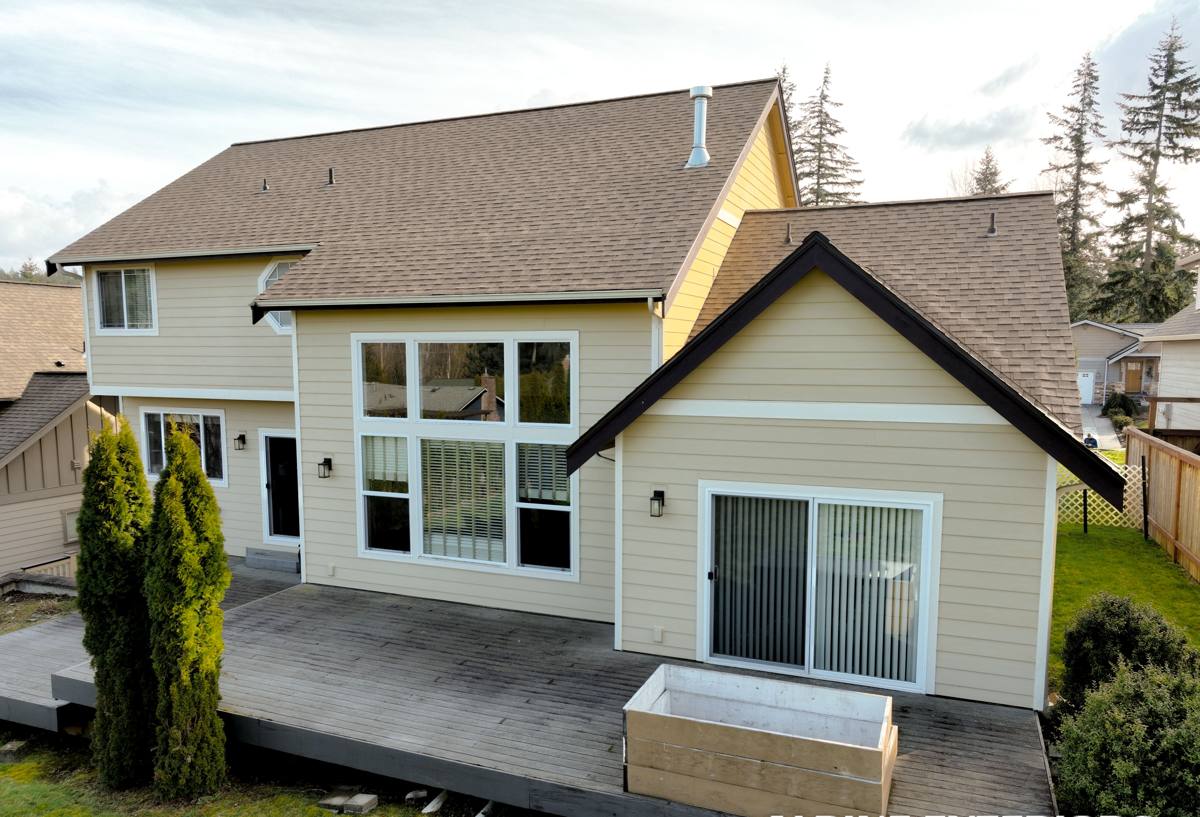
What Storm Damage Actually Looks Like on a Roof
Wind Damage
Sustained wind and gusts don't just tear shingles off in dramatic fashion. More often they lift shingle tabs and break the sealant strip underneath without fully detaching the shingle, which leaves it looking intact from the ground while it flaps and works itself loose every time the wind picks up afterward. On tile roofs, wind can crack tiles, shift them out of alignment, or break the mortar and adhesive foam holding them down, all without a single tile falling off.
Wind-Driven Rain Damage
Rain that's coming in sideways behaves differently than rain falling straight down. It gets pushed up under shingle tabs, under tile laps, and into any gap around flashing, vents, or roof penetrations that would never leak in a normal rain. This is why a roof can pass a casual visual check after a storm and still be actively leaking into the attic.
Damage That Doesn't Show From the Ground
A lot of real storm damage is invisible unless someone actually gets on the roof. Lifted shingles that have re-settled, cracked tiles that haven't shifted, compromised underlayment beneath intact shingles, and granule loss that's thinned a shingle's UV protection all fall into this category. This is the damage that turns into a slow leak or a bigger failure during the next storm rather than this one.
Why Ignoring Storm Damage Costs More Later
A damaged roof doesn't stay the same size problem it started as. A cracked tile lets water reach the underlayment, and once underlayment is compromised it degrades faster with every rain after that. A lifted shingle with a broken seal doesn't reseal itself — every subsequent wind event lifts it a little further. Left alone through Bradenton's wet season, small storm damage routinely turns into interior water stains, insulation damage, and in worse cases, wood rot in the roof deck itself, which is a far more expensive repair than the original damage would have been. Getting an honest assessment soon after a storm, even if nothing looks urgent, is the cheapest point in that timeline to deal with it.
What a Correct Storm Damage Repair Involves
Matching Materials and Fastening Patterns
A proper repair uses shingles, tile, or underlayment that match the existing roof's type, profile, and where possible, color and age-appropriate appearance. Mismatched patch repairs are one of the most common signs of a rushed job, and they also tend to fail differently than the surrounding roof, creating a weak point right where the repair was made.
Flashing and Underlayment Come First
Visible shingles or tiles get the attention, but flashing around chimneys, vents, walls, and valleys is where most leaks actually originate, and underlayment is the roof's real waterproofing layer underneath everything else. A repair that replaces surface material without checking flashing and underlayment condition is treating the symptom, not the cause.
Meeting Florida Building Code Wind Requirements
Florida's building code sets specific requirements for fastening patterns, underlayment type, and attachment methods based on the wind zone a property sits in, and coastal barrier island properties like those on Longboat Key are held to the higher end of those requirements. A repair that doesn't meet current code isn't just a compliance issue — it's a repair that's more likely to fail again in the next event.
Repair or Replace? How We Make That Call
Not every storm-damaged roof needs to be replaced, and not every roof that looks fine from the driveway is actually fine. The right call depends on the roof's age, how widespread the damage is, and what condition the underlying materials are in. Here's generally how that decision plays out:
| Factor | Leans Toward Repair | Leans Toward Replacement |
|---|---|---|
| Roof age | Under roughly half its expected lifespan | Near or past its expected lifespan |
| Extent of damage | Isolated to one section or a handful of spots | Spread across multiple areas or slopes |
| Underlayment condition | Still intact and doing its job | Deteriorated, brittle, or already compromised |
| Deck condition | Solid, no soft spots or rot | Soft decking or signs of water intrusion below |
| Storm frequency | First significant damage in years | Repeated repairs to the same roof in recent seasons |
We'll walk you through where your roof actually falls on that list rather than defaulting to the more expensive answer. A well-timed repair can reasonably extend a roof's service life; a roof that's already past that point often costs more in repeated repairs than a single replacement would.
Our Process for Longboat Key Storm Repairs
Inspection and Documentation
We start with a full roof inspection, not just a look at whatever prompted the call. That includes checking flashing, valleys, penetrations, and attic access where possible, and photographing what we find in enough detail to explain it clearly and to support an insurance claim if you're filing one.
The Repair Plan
Once we know the actual scope, we put together a repair plan that specifies materials, what's being addressed, and why — no vague line items. You'll know what's being fixed and what it's meant to solve before any work starts.
The Work Itself
Repairs are done to match your existing roofing system and to meet current Florida Building Code wind requirements for the area, not just patched to look acceptable. Flashing and underlayment issues get addressed alongside surface damage, not left for a future call.
Follow-Up
After the repair, we'll walk you through what was done and what to watch for. If a repair is close to the edge of "repair vs. replace," we'll tell you that honestly rather than letting you find out at the next storm.
Working With Your Insurance Company
Many storm damage repairs on Longboat Key get filed as insurance claims, and thorough documentation matters for that process. We provide clear photos and a written scope of the damage and the repair, which gives you and your adjuster something specific to work from. We can't guarantee how any individual claim will be handled — that's between you and your insurer — but we can make sure the roof side of that conversation is backed by an honest, detailed record rather than guesswork.
Why Hiring a Crew That Already Works Longboat Key Matters
Barrier Island Logistics
Longboat Key isn't like a typical inland neighborhood. Access is limited to a couple of bridges, parking and staging space on many properties is tight, and material deliveries take more planning than they would on the mainland. A crew that already does regular work on the island isn't figuring this out for the first time on your job.
HOA and Condo Association Requirements
A large share of Longboat Key properties are part of a homeowners association or condo association with their own approval processes, material or color restrictions, and work-hour rules. A contractor unfamiliar with that layer of the job can hold up a repair for weeks over paperwork that a locally experienced crew handles routinely.
Beyond logistics, familiarity with the island means familiarity with how Gulf-facing versus bay-facing exposures behave differently, which corners of a roof take the worst of prevailing wind, and what "normal" wear looks like on a barrier island roof versus actual storm damage. That judgment comes from doing this work here repeatedly, not from a general roofing background alone.
Protecting Your Roof Between Storms
A roof in a coastal wind and salt environment holds up best with some routine attention, not just reactive repairs after damage shows up. A few habits go a long way:
- Have the roof visually inspected after any storm with sustained winds, even if nothing looks obviously wrong from the ground
- Keep gutters and downspouts clear so wind-driven rain has somewhere to go besides under the roofing material
- Trim back overhanging branches that can scrape shingles or tiles or drop debris during high wind
- Rinse accumulated salt residue off metal roof components periodically, especially on Gulf-facing slopes
- Address small issues — a lifted shingle, a hairline-cracked tile — as soon as they're found rather than waiting for the next storm season
- Keep a record of past repairs and inspections, which helps both future contractors and insurance claims
None of this replaces a real inspection after storm damage, but it does reduce how much a roof has to absorb before that inspection ever happens.
If your roof took a hit in the last storm — or you're just not sure and would rather have it checked than guess — we're glad to come take an honest look. The estimate is free, there's no pressure attached to it, and you'll get a straight answer about what, if anything, needs to be done. Use the form below to get started.