 Bradenton Siding
 Roofing in Ellenton Has to Answer to the Climate, Not Just the Calendar
A roof in Ellenton doesn't fail because it got old on a wall calendar somewhere. It fails because it spent years absorbing what Manatee County weather actually does: months of intense, direct UV that bakes shingle oils out of asphalt and turns tile sealants brittle, tropical downpours that test every flashing detail rather than just the field of the roof, salt-laden air moving inland off the Gulf that accelerates corrosion on fasteners and metal components, and the real chance of hurricane-force wind gusts during storm season. None of that is unique to Ellenton, but it's a bigger factor here than it is for a roof going on a house in a mild inland climate, and it should shape almost every decision in a new roof installation — not just the shingle color.
When we talk about a "new roof installation" for an Ellenton home, we mean a full system built for this environment: deck, underlayment, flashing, ventilation, and covering all working together, installed to current Florida Building Code wind requirements for this area, not a patch-and-hope job dressed up as a full replacement.
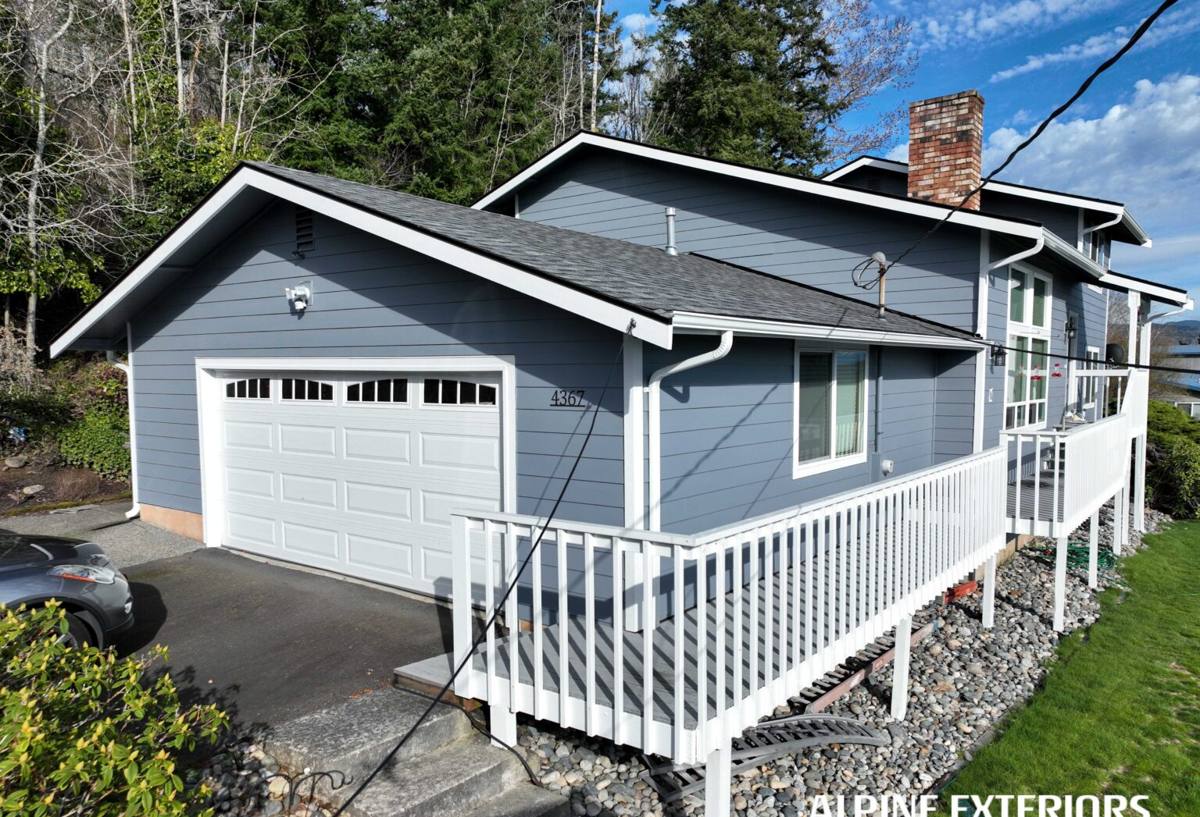
How to Tell You're Looking at a Replacement, Not Another Repair
Plenty of roofs get nursed along with repairs for years, and that's often the right call. But there's a point where repeated repairs stop making financial sense and start masking a bigger problem. Some signs worth taking seriously:
- Granule loss heavy enough that you're finding shingle grit in gutters or at downspout outlets after every storm
- Shingles that look cupped, curled, or brittle rather than lying flat — a sign the asphalt has aged out from UV exposure
- Soft spots in the decking you can feel when walking the roof, or sagging visible from the ground
- Recurring leaks in the same general area even after repairs, which usually means the underlying deck or flashing has failed, not just the surface
- A roof that's approaching or past the manufacturer's expected service life for asphalt shingles in a coastal, high-UV climate — which is shorter here than the same product would last further north
- Visible storm damage — lifted shingle tabs, exposed fasteners, or displaced tile — after a wind event
If a roof is showing two or more of these, a repair is usually a delay, not a fix. We'll tell you honestly if a repair still makes sense — a full replacement isn't the right call every time someone asks for one.
What an Actually Correct Installation Involves
The Deck Comes First
Everything else sits on the roof deck, so it gets inspected once the old covering is off — not before. Soft, delaminated, or water-stained plywood gets replaced section by section rather than patched over. Skipping this step is the single most common shortcut that leads to problems years later, because no underlayment or shingle can compensate for a deck that's already failing underneath it.
Underlayment Built for Wind-Driven Rain
In a climate where storms don't always arrive straight down, underlayment matters more than most homeowners realize. Self-adhered, high-temperature underlayment at eaves, valleys, and penetrations gives the roof a second line of defense if wind-driven rain gets under the primary covering — which it will, eventually, in this climate, no matter how good the installation is.
Flashing Is Where Roofs Actually Leak
Chimneys, skylights, sidewall intersections, and vent penetrations are where the overwhelming majority of roof leaks originate — not the open field of shingles or tile. Correct flashing means new metal at every one of these points, properly stepped and sealed, not old flashing reused because it "still looks fine."
Ventilation That Matches the Attic
A hot, poorly ventilated attic shortens the life of whatever covering sits above it, especially in Florida's heat. Balanced intake and exhaust ventilation should be sized to the specific attic, not applied as a one-size-fits-all afterthought.
Fastening and Wind Rating for This Region
Manatee County falls under Florida Building Code wind requirements that call for specific nailing patterns, fastener counts, and, depending on the product, sealant strips designed to resist uplift. This is the part of the job that's invisible once the roof is finished — and exactly the part that determines whether it holds together in a serious wind event.
Our Installation Process
- On-site inspection and honest assessment — we look at the current roof, attic ventilation, and any visible trouble spots before recommending replacement over repair.
- Written estimate with real material and labor breakdown — no vague lump-sum numbers.
- Permit pulled through Manatee County before any work begins — this isn't optional, and it protects you if there's ever an insurance question down the road.
- Tear-off and deck inspection — old covering removed, deck checked and repaired where needed, debris hauled off daily.
- Underlayment, flashing, and ventilation installed to code and to the wind requirements for this area.
- New roof covering installed per manufacturer specification, including fastening patterns rated for local wind exposure.
- Final walkthrough and county inspection — we review the finished roof with you and make sure the required inspection is completed and passed.
Comparing Roofing Materials for an Ellenton Home
There's no single "best" roofing material — the right choice depends on your home's structure, your budget, and how long you want the roof to go before its next major decision point. Here's how the common options stack up for this climate:
| Material | Typical Lifespan Here | Wind/Storm Behavior | Maintenance Considerations |
|---|---|---|---|
| Architectural asphalt shingle | 15–25 years | Good when rated and fastened correctly for local wind exposure | Moderate — granule loss and UV aging are the main long-term factors |
| 3-tab asphalt shingle | 12–18 years | Lower wind resistance than architectural shingle | Lower upfront cost, shorter service life in this climate |
| Concrete or clay tile | 30-plus years (tile itself); underlayment typically needs renewal sooner | Strong when properly fastened, but individual tiles can be dislodged by debris impact | Underlayment beneath tile is the real wear item — plan on it being replaced before the tile is |
| Standing seam metal | 30–50 years | Very good wind uplift resistance with proper fastening | Higher upfront cost; minimal routine maintenance |
We install what makes sense for your roof structure and budget, and we'll walk through these trade-offs honestly rather than pushing whatever has the best margin.
Cost Factors Homeowners Should Actually Weigh
Broad ranges only, since every roof is different: material choice, roof pitch and complexity (number of valleys, penetrations, and dormers), deck condition once the old roof is off, and ventilation upgrades all move the number. A straightforward asphalt shingle replacement on a simple roof plan is generally the most affordable option; tile and standing seam metal cost more upfront but shift the math toward fewer replacement cycles over the life of the home. We give a firm written number after inspection — not a phone-quote guess.
Permits, Codes, and Insurance in Manatee County
A new roof installation in Ellenton requires a permit through Manatee County, and the finished work has to pass inspection against current Florida Building Code wind provisions. This isn't paperwork for its own sake — it's what makes the roof eligible for wind mitigation credits on your homeowner's insurance, and it's what protects you if you ever need to file a storm claim. A roof installed without permit, or by a crew unwilling to pull one, can create real problems at claim time even if the physical work was fine.
Why Local Experience in Ellenton Actually Matters
Roofing code, wind requirements, and permitting are handled at the county level, and inspectors, suppliers, and typical construction details vary by area. A crew that already works in Ellenton and the surrounding Manatee County communities knows the local permitting process, has working relationships with material suppliers who stock what this climate calls for, and has already seen how different roof systems hold up here — not in a showroom, but through actual hurricane seasons. That's different from a crew traveling in from another market that's guessing at local wind requirements or hasn't dealt with this county's inspection process before.
Protecting the Investment After Installation
A correctly installed roof still benefits from basic upkeep: keeping gutters clear so water isn't backing up under the eaves, trimming back overhanging branches that drop debris and hold moisture against the surface, and having the roof looked at after any major storm rather than waiting until a leak shows up inside the house. Manufacturer warranties on materials are only as good as the installation behind them, so keep your installation paperwork and any inspection documentation together in case you need it for a warranty claim or an insurance question later.
If your roof is showing its age, took storm damage, or you're just trying to plan ahead before the next hurricane season, we're happy to take a look and give you a straight answer — repair or replace — along with a free, no-pressure estimate. There's no obligation, and you'll get real numbers instead of a sales pitch.