 Bradenton Siding
 Roofing in a Working Waterfront Village
Cortez sits right up against Sarasota Bay, and that location shapes everything about how a roof ages here. This is one of the few genuinely old working waterfront communities left on Florida's Gulf Coast, and a lot of the housing stock reflects that history — older framing, additions built in different decades, and roofs that have taken a lot more punishment than a home twenty minutes inland. If you're looking into a roof replacement for a Cortez property, you're not dealing with a generic Florida roofing job. You're dealing with direct bay exposure, constant salt-laden air, and wind that doesn't have much to slow it down before it reaches your house.
We replace roofs throughout Bradenton and Manatee County, and Cortez is one of the areas where cutting corners shows up fastest. A roof that would last 20+ years a few miles inland can start failing early here if it wasn't built and installed with the coastal environment in mind.
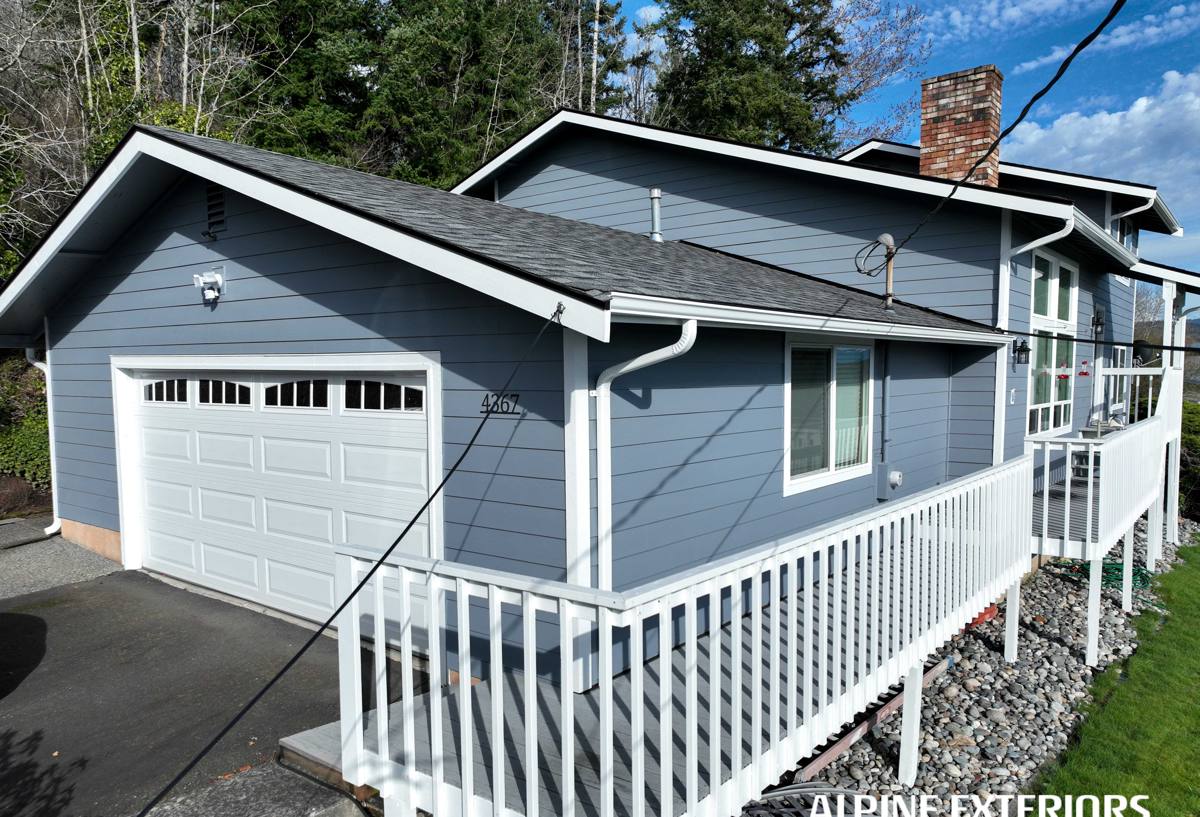
Why Cortez Roofs Take More Abuse
Salt Air and Corrosion
Airborne salt from the bay settles on every exposed surface of your roof — fasteners, flashing, vents, and metal edging. Over years, that constant low-level exposure corrodes standard hardware faster than it would inland. Roofs built with non-marine-grade fasteners or bare steel components tend to show rust streaks, loosened flashing, and premature wear well before the shingles or metal panels themselves are worn out.
Wind and Wind-Driven Rain
Being close to open water means less tree cover and fewer buildings to break up gusts before they hit your roofline. During tropical storms and hurricanes, that translates to higher sustained wind loads and rain that gets driven sideways and upward under roof edges, ridge caps, and poorly sealed penetrations. Most roof leaks we find after a storm in this area didn't come from the field of the roof — they came in through an edge, a flashing detail, or an aging penetration seal that wind-driven rain found a way into.
Year-Round UV
Florida's sun is intense on any roof, but a roof with reduced tree canopy — common near the water — gets fuller sun exposure most of the day. UV breaks down asphalt shingle granules and dries out sealants faster, which shortens the effective life of the roofing system even when there's no storm damage at all.
Signs a Cortez Roof Needs Replacement, Not Another Repair
A lot of homeowners call us wanting a patch, and sometimes that's the right call. But there's a point where repeated repairs stop making financial sense and a full replacement becomes the honest recommendation. Some signs to watch for:
- Granule loss showing up in gutters or at downspouts, especially after storms
- Shingles that are curling, cupping, or have visible cracking
- Rust staining around vent boots, flashing, or metal edging
- Soft spots or sagging when walked on, which can indicate deck damage underneath
- Daylight visible through the attic at deck seams or around penetrations
- Multiple past repairs in different spots on the same roof within a few years
- A roof approaching or past 15-20 years old with no major upgrades to underlayment or ventilation
- Rising insurance premiums or a carrier requesting a roof inspection before renewal
If your roof is showing two or more of these, a replacement is usually the more cost-effective path than continuing to chase leaks.
What a Correct Roof Replacement Actually Involves
A roof replacement done right in a coastal community like Cortez is a lot more than swapping old shingles for new ones. The parts that matter most are often the parts you can't see once the job is finished.
Full Tear-Off and Deck Inspection
We remove the existing roofing down to the deck so we can actually see what's underneath — not just estimate it. Water intrusion over the years can rot sections of decking that look fine from above. Any damaged decking gets replaced before anything new goes down; installing new roofing over a compromised deck just guarantees problems later.
Underlayment Built for Wind-Driven Rain
This is where a lot of the real weather resistance comes from. We use synthetic or self-adhering underlayment systems rated for high-wind, high-moisture conditions, with extra attention at eaves, valleys, and any low-slope transitions where wind-driven rain tends to find its way in.
Flashing and Fastening Details
Every penetration — plumbing vents, roof-to-wall transitions, chimneys, skylights — gets new flashing, not a re-seal of the old. Fasteners and metal components are chosen with the salt air environment in mind, so they hold up rather than corroding out in a few seasons.
Ventilation
Proper intake and exhaust ventilation keeps attic temperatures and moisture in check, which protects the new roofing system from the inside and helps it hit its full rated lifespan.
Code Compliance
All work is installed to current Florida Building Code wind-resistance requirements for our area, with the permitting and inspections that go with it. This isn't optional paperwork — it's what determines how your roof performs in the next major wind event and what your insurer will expect to see on file.
Choosing the Right Roofing System for a Cortez Home
There's no single "best" roofing material for every house — it depends on your roof's structure, your budget, and how long you plan to stay in the home. Here's how the common options compare for a coastal Manatee County property:
| Roofing Type | Typical Lifespan Here | Coastal Considerations |
|---|---|---|
| Architectural asphalt shingle | 15-25 years | Good value; needs marine-grade fasteners and quality underlayment to hold up to salt air and UV |
| Standing seam metal | 30-50 years | Strong wind performance; specify coastal-rated finishes and fasteners to resist corrosion |
| Metal shingle/panel systems | 25-40 years | Combines metal durability with a more traditional shingle look |
| Concrete or clay tile | 30-50+ years | Very durable but heavier — requires structural review and correct fastening for wind uplift |
We'll walk through these options honestly based on what your existing structure can support and what makes sense for your budget, rather than pushing whatever has the best margin.
Why We're Selective About Certain Products
We don't install every roofing product on the market, and that's intentional. Some lower-cost systems have known trade-offs in coastal, high-UV, high-wind environments — whether that's how they handle moisture over time, how sensitive they are to installation error, or how their warranty coverage holds up in this climate. Our standard is to install systems we're confident will perform for the specific conditions Cortez sees, backed by manufacturer warranties that actually apply here.
Our Roof Replacement Process
- Inspection and estimate — We assess your current roof, attic ventilation, and any visible deck or flashing issues, and give you a clear, honest quote.
- Material selection — We go over the options that fit your home and budget, including wind-rating and warranty differences.
- Permitting — We handle the permit application through Manatee County and schedule required inspections.
- Tear-off and deck repair — Full removal of old roofing, with any compromised decking replaced.
- Underlayment, flashing, and ventilation installation — The layers that determine long-term performance, installed to code.
- New roofing installation — Shingles, metal, or tile installed per manufacturer specifications for wind rating.
- Final inspection and cleanup — Passed county inspection, thorough site cleanup including magnetic sweep for nails and debris.
What Affects the Cost of a Roof Replacement
| Factor | Why It Matters |
|---|---|
| Roof size and pitch | More square footage and steeper slopes increase labor and material needs |
| Deck condition | Rotted or damaged decking found during tear-off adds repair cost |
| Material choice | Asphalt shingle, metal, and tile carry very different material and labor costs |
| Roof complexity | Valleys, dormers, skylights, and multiple roof planes add flashing and labor time |
| Ventilation upgrades | Adding or correcting attic ventilation is worth the added cost for coastal durability |
| Permitting and code requirements | Wind-rating compliance can affect fastening patterns and underlayment specs |
We give itemized, written estimates so you can see exactly where the cost is going before any work starts — no vague lump-sum numbers.
Why It Matters That We Already Work in Cortez
A roofing crew that regularly works Bradenton's coastal neighborhoods understands things that don't show up in a generic estimate: how Manatee County's permitting and inspection process runs, which flashing and fastening details actually hold up against bay-driven wind and salt air, and what a roof deck in an older coastal home is likely to look like once the old roofing comes off. That experience means fewer surprises during the job and a roofing system built for the conditions your specific property faces — not a one-size-fits-all install.
We stand behind our workmanship and only use manufacturer-backed materials appropriate for this climate, so you're not left guessing what's actually covered if something goes wrong down the road.
Protecting Your New Roof Long-Term
A new roof isn't a "set it and forget it" investment, especially this close to the water. A simple annual visual check — looking for lifted shingles, rust streaks, or debris buildup in valleys — and prompt attention after major storms goes a long way toward getting the full service life out of your new roof. We're happy to do post-storm inspections for past customers so small issues get caught before they become leaks.
If your Cortez roof is showing its age or storm damage, we'll come take an honest look and walk you through what we find. Reach out for a free, no-pressure estimate using the form below.