 Bradenton Siding
 Storm Damage Roof Repair for Rosedale Homes
Rosedale sits inland from Sarasota Bay in Bradenton, but "inland" doesn't mean "sheltered." Manatee County still takes a direct hit from tropical systems moving off the Gulf, and even a fast-moving thunderstorm cell can push straight-line winds hard enough to lift shingles, crack tile, or drive rain sideways under flashing that was never meant to handle water moving in that direction. If you own a home in Rosedale, your roof is dealing with hurricane-force wind events, punishing year-round UV, and salt-laden air moving in off the coast, sometimes all within the same week.
This page covers exactly one thing: what it takes to properly repair a Rosedale roof after storm damage, and why the details of that repair matter more here than almost anywhere else in the Southeast.
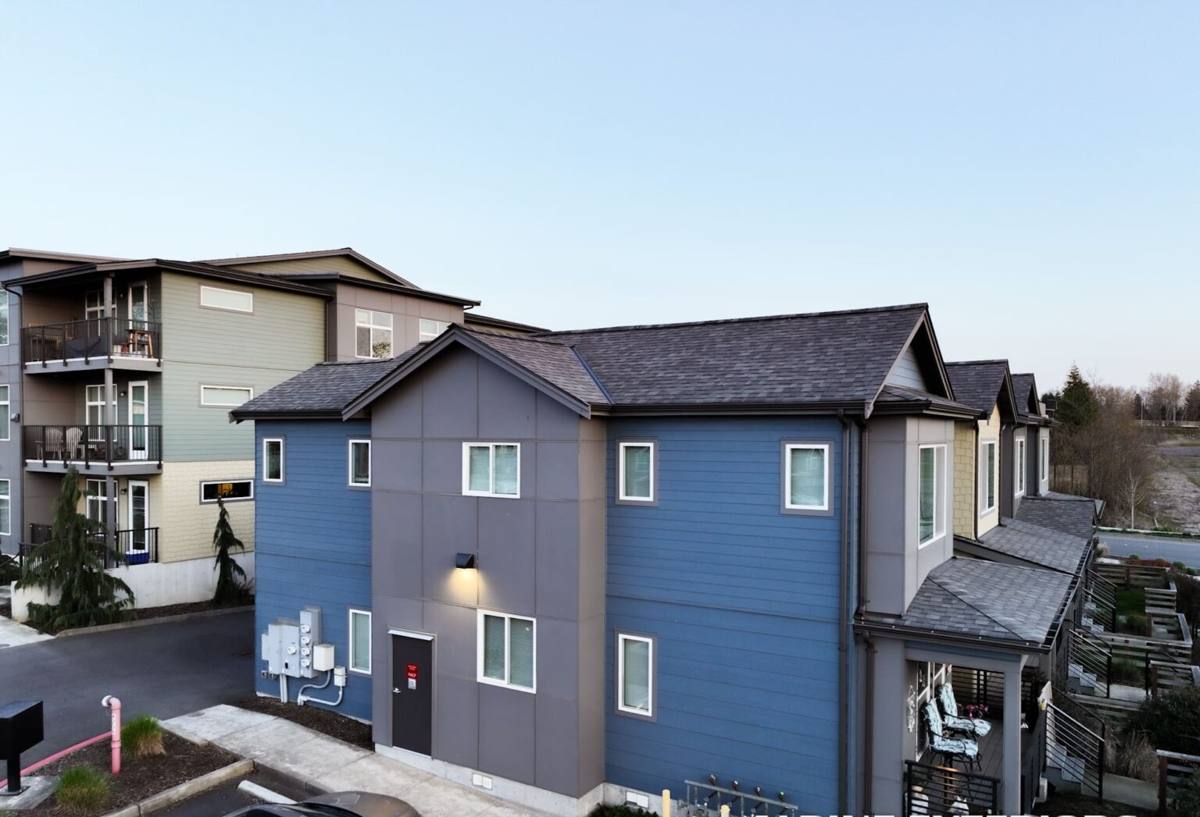
What Storm Damage Actually Looks Like on a Bradenton Roof
Not every roof problem that shows up after a storm was caused by that storm, and not every problem caused by a storm is visible from the ground. A proper storm damage repair starts with correctly identifying what happened, not just patching whatever looks wrong.
Wind Damage
Wind doesn't just tear shingles off — it works underneath the edges, breaking the seal strip and creasing the shingle without fully removing it. A creased shingle looks intact from the driveway but has lost most of its water resistance. On tile roofs, wind uplift can shift or crack tiles at the ridge and hip lines first, since those areas take the most direct load.
Wind-Driven Rain and Water Intrusion
Florida storms rarely drop rain straight down. When it's driven sideways at 40-60 mph, it finds every gap in flashing around chimneys, skylights, vent stacks, and roof-to-wall transitions. Water intrusion from a storm often shows up as a ceiling stain days or weeks later, well after the original event, which is why documentation at the time of the storm matters.
Debris Impact
Rosedale's mature, tree-lined streets are part of what makes the neighborhood attractive, but falling limbs and wind-borne debris are a real source of storm damage here. Impact can crack tile, puncture shingle mat, or dent metal flashing without an obvious hole punched clean through the deck.
Why This Matters More in a Neighborhood Like Rosedale
Rosedale is an established community with a mix of home ages and roof types — architectural shingle, tile, and some metal — which means there's no one-size-fits-all repair. A crew that shows up with a single approach for every roof will either over-repair a simple wind lift or under-repair a tile system that needs matched replacement pieces sourced correctly. Homes here also tend to sit closer to mature landscaping and, for many, near the golf course grounds that give the community its character — both of which affect drainage patterns and debris exposure differently than a roof out in an open, newer subdivision.
Salt air moving inland from Sarasota Bay and the Gulf accelerates corrosion on exposed fasteners, flashing, and any metal roof components. A repair that doesn't account for that will fail again faster than it should.
What a Correct Storm Damage Repair Involves
A repair that actually holds up through the next storm season isn't just "replace what's missing." It follows a sequence:
- Full roof assessment — not just the area you can see damage on, since wind and water travel.
- Documentation — photos and notes of the damage as found, useful for your records whether or not you file an insurance claim.
- Emergency mitigation if there's active leaking or exposed deck — tarping or temporary sealing to stop further water intrusion before the full repair is scheduled.
- Matching materials — shingle or tile that matches existing coverage in color, profile, and, where possible, manufacturer, so the repair doesn't stand out or create a mismatched water-shedding pattern.
- Flashing and underlayment inspection at every penetration in the damaged area, since flashing failure is a more common cause of ongoing leaks than the missing shingles or tiles themselves.
- Deck inspection where water has intruded — if the underlying wood deck has taken on moisture, covering it back up without addressing that is how small storm damage turns into a rot problem a year later.
Our Process, Start to Finish
Inspection and Documentation
We walk the full roof, not just the reported problem area, and photograph everything before touching it. If you're planning to file an insurance claim, this documentation is yours to keep regardless of what the claim outcome is.
Honest Scope of Work
We tell you plainly whether you're looking at a targeted repair or something closer to a full section replacement. We don't pad a simple repair into a bigger job, and we don't undersell a repair that's going to need to be redone in six months.
Insurance Coordination
If you're working with your homeowner's insurance, we can meet the adjuster on-site and provide our documentation and scope of work to support the claim. We work for you, not the insurance company — our job is to make sure the actual damage is accurately represented.
The Repair Itself
Work is scheduled around weather windows so materials and open deck aren't exposed to another storm mid-repair. Debris is cleared from gutters and landscaping as part of the job, not left for you to deal with afterward.
Final Walkthrough
Before we consider the job done, we walk it with you, explain what was found and what was fixed, and point out anything worth keeping an eye on going forward.
Repair vs. Replacement: How We Decide
Storm damage doesn't automatically mean a full roof replacement, and it doesn't automatically mean a small patch is enough either. The right call depends on a few factors:
| Factor | Leans Toward Repair | Leans Toward Replacement |
|---|---|---|
| Extent of damage | Isolated to one slope or area | Spread across multiple slopes or the whole roof |
| Roof age | Under roughly 10-12 years | Already near or past expected service life |
| Deck condition | Dry, sound sheathing | Soft spots or moisture staining found underneath |
| Material availability | Matching shingle/tile still in production | Discontinued material with no close match |
| Prior repair history | First storm event on this roof | Multiple past repairs already patched into the same area |
We'll walk you through where your roof falls on this before recommending anything — there's no benefit to us in overselling a replacement you don't need, and no benefit to you in a repair that won't last.
Materials That Hold Up to Bradenton Conditions
For shingle roofs, we favor architectural (laminate) shingles with a wind rating suited to Manatee County's exposure, installed with the fastening pattern the manufacturer specifies for high-wind zones — not the minimum pattern that's cheaper and faster to install but voids wind warranty coverage. For tile roofs, matching profile and color matters as much as structural integrity; mismatched tile is one of the more common complaints we hear about repairs done by crews unfamiliar with the existing product line. Flashing repairs use corrosion-resistant metal appropriate for coastal salt exposure, since standard galvanized flashing degrades faster this close to the Gulf.
A Homeowner's Post-Storm Roof Checklist
- Photograph visible damage from the ground before any cleanup begins
- Check attic or top-floor ceilings for new staining or soft spots
- Clear storm debris away from roof valleys and gutters if it's safe to do so
- Avoid walking a wet or wind-damaged roof yourself
- Note the date and approximate wind conditions of the storm for your records
- Schedule a professional inspection even if damage isn't obviously visible
- Keep any receipts for temporary tarping or emergency mitigation
Why a Crew That Already Works in Rosedale Makes a Difference
Storm damage repair moves faster and holds up better when the crew doing it already understands the neighborhood — the mix of shingle and tile roofs common here, the permitting expectations through Manatee County, and the practical realities of working around established landscaping and, for many streets, HOA or community guidelines. A crew that's already familiar with Rosedale isn't guessing at material matches or relearning local code requirements on your job. That familiarity translates into fewer surprises and a repair that's done right the first time, which matters most right when you need your roof watertight again.
If you've got storm damage on your Rosedale home, we're glad to take a look and give you a straight answer on what it needs. Reach out for a free, no-pressure estimate using the form below.