 Bradenton Siding
 Decks in Samoset Work Harder Than Decks Almost Anywhere Else
Samoset sits close enough to the coast that every deck in the neighborhood is dealing with a combination of stresses most of the country never sees at once. Hurricane-force wind gusts rack the frame and fasteners. Manatee County's intense, near year-round UV load bakes and dries out wood fibers and finishes. Wind-driven rain gets pushed sideways into joints and end grain that were never meant to stay wet. And salt-laden air slowly corrodes fasteners, brackets, and hardware even on decks that never take a direct hit from a storm. None of these problems show up overnight, and none of them stay isolated to one board for long.
That combination is why a deck that looks fine from the yard can still have real structural issues underneath. We repair decks in Samoset regularly enough to know which failure patterns are common here versus what you'd see on a deck built somewhere drier or calmer — and that local pattern recognition is what separates a real repair from a cosmetic patch.
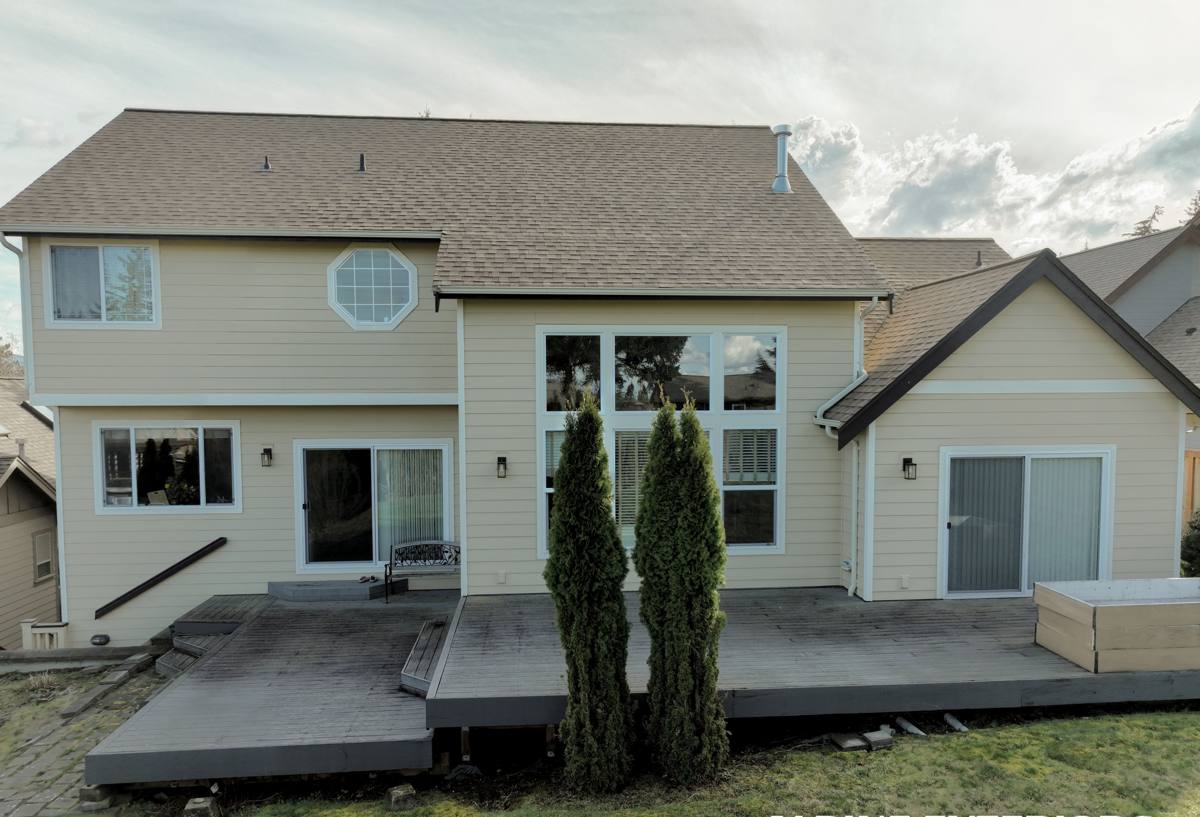
The Problems We See Most Often on Samoset Decks
Fastener and Hardware Corrosion
Salt air accelerates corrosion on screws, nails, and structural brackets, even when the wood or composite decking itself still looks acceptable. Rusted or weakened fasteners are one of the most common reasons a deck develops soft spots, wobble, or squeaking long before the boards themselves fail.
Ledger Board and Framing Rot
The ledger board — where the deck attaches to the house — takes on water from wind-driven rain that gets pushed up under flashing or through gaps in old sealant. Because it's often hidden behind the decking or skirting, ledger rot is frequently the most serious problem on a deck and the least visible until it's advanced.
UV-Driven Surface Failure
Intense, sustained sun exposure dries out wood fibers, breaks down finishes, and causes checking, splintering, and graying well before a deck's structural life is over. On composite decking, UV exposure can fade color unevenly, especially in areas that get partial shade from railings or nearby structures.
Post and Footing Movement
Repeated wind loading, especially from tropical storms and hurricane-adjacent weather, can loosen post connections and shift footings over time. This shows up as a deck that feels slightly springy or has developed a lean that wasn't there originally.
Wood vs. Composite: What Actually Holds Up in This Climate
When we repair a deck, part of the conversation is often whether to repair in kind or use the repair as an opportunity to upgrade problem areas to a more climate-appropriate material. Both wood and composite have a place, but they behave differently under Gulf Coast conditions.
| Factor | Pressure-Treated Wood | Composite Decking |
|---|---|---|
| UV Fading | Grays and roughens over time; needs periodic finish renewal | Fades gradually but doesn't splinter or roughen the same way |
| Moisture Behavior | Absorbs and releases moisture; prone to cupping and checking | Resists water absorption; less prone to warping |
| Maintenance | Needs re-sealing or staining every 1-3 years in this climate | Cleaning only; no sealing required |
| Repair Approach | Individual boards can be replaced economically | Board replacement possible but color-matching aged boards is harder |
| Upfront Cost | Lower material cost | Higher material cost, lower long-term maintenance cost |
Neither material is immune to Florida weather — the difference is where the maintenance burden falls. Wood needs more attention but is simpler and cheaper to repair board by board. Composite needs less upkeep but repairs require more care to keep the look consistent. We'll give you our honest read on which approach fits your specific deck rather than pushing one material as a blanket answer.
What a Correct Deck Repair Actually Involves
A lot of deck "repairs" amount to swapping a few obviously bad boards and calling it done. That approach misses the point when the underlying cause — moisture intrusion, corroded fasteners, or a compromised ledger connection — is still there and will just produce the same failure again in another spot. A repair done right starts with figuring out why the damage happened, not just where it's visible.
Structural Inspection First
Before any boards come off, we check the framing, ledger connection, posts, footings, and fastener condition. This is where hidden problems get caught — a deck can have surface damage in one area and structural weakness in a completely different, less obvious spot.
Addressing the Cause, Not Just the Symptom
If rot is tracing back to a flashing gap or a drainage issue, we fix that as part of the repair. Replacing boards over an unresolved moisture source is a short-term fix that costs more in the long run.
Matching Fasteners and Hardware to the Environment
Given the salt air exposure in this area, we use fasteners and structural hardware rated for coastal or corrosive environments rather than standard-grade hardware that will corrode again in a fraction of the time.
Our Repair Process
- Inspection and honest assessment — we walk the full structure, not just the area you flagged, and tell you plainly what's cosmetic versus structural.
- Written scope and estimate — you know what's being repaired, why, and what it costs before any work starts.
- Demo of compromised material only — we remove what actually needs to go, not more than necessary.
- Structural correction — framing, ledger, post, or footing issues get resolved first.
- Board and hardware replacement — with materials and fasteners suited to coastal conditions.
- Final check — we confirm the deck is solid, level, and secure before we consider the job done.
Signs Your Samoset Deck Needs Repair Now
Some deck problems are obvious. Others are easy to write off as normal wear until they've gotten expensive. If you're noticing any of the following, it's worth having someone look before the next storm season adds to the damage:
- Soft, spongy, or bouncy spots underfoot
- Visible gaps, rust streaks, or popped fastener heads
- Boards that are cupping, splitting, or splintering
- A railing that feels loose or wobbly when pushed
- Any staining, dark streaking, or discoloration near the house connection
- A deck surface that feels noticeably uneven from one end to the other
- Visible daylight or gaps where the deck meets the house
What Drives the Cost of a Deck Repair
| Factor | Why It Matters |
|---|---|
| Extent of the damage | A few boards is very different from framing or ledger repair |
| Root cause | Fixing a drainage or flashing issue adds scope but prevents repeat damage |
| Material match | Matching existing wood or composite affects material cost and labor |
| Access and deck height | Elevated or hard-to-access decks take more time to work safely |
| Hardware upgrades | Coastal-rated fasteners and brackets cost more than standard hardware but last longer here |
Because every deck's damage pattern is different, we don't quote sight unseen — we look at the actual structure and give you a real number, not a rough guess that changes once we start pulling boards.
Why a Crew That Already Works in Samoset Matters
Deck repair in this part of Manatee County isn't the same job as deck repair somewhere with a mild, dry climate. A crew that regularly works Samoset and the surrounding Bradenton area already knows what wind-driven rain does to ledger connections, how fast salt air corrodes standard hardware, and which repair shortcuts fail within a season versus which ones actually hold up. That experience shows up in the details — the fastener grade we choose, where we look for hidden moisture, and how we flash a ledger reconnection so it doesn't just rot again in two years.
It also means we're not guessing at what "normal" looks like for a deck around here. A repair that would be considered thorough in a different climate might leave out steps that matter a lot in coastal Florida — and that gap is usually invisible until the next big storm or the next humid summer.
After the Repair: Keeping Your Deck Ahead of the Climate
A repair is a good time to reset your maintenance habits, especially with hurricane season and constant sun exposure working against you year-round.
- Reseal or restain wood decking on a regular schedule rather than waiting until it looks worn
- Rinse salt residue off the deck surface and railings periodically, especially after storms
- Check fasteners and hardware for early rust before it spreads
- Keep gutters and drainage near the ledger board clear so water isn't funneling toward the house connection
- Walk the deck after major storms and check for new soft spots or movement
If your Samoset deck is showing any of the wear signs above, or you just want an honest opinion on whether it needs repair or replacement, we're happy to take a look. Fill out the form below for a free, no-pressure estimate.