 Bradenton Siding
 Samoset's Siding Has a Harder Job Than Most People Realize
Samoset sits inside Manatee County, close enough to the Gulf and the Manatee River corridor that homes here take on a specific combination of stress that inland Florida neighborhoods don't deal with in the same way. It's not one problem — it's four working together: hurricane-force wind gusts during storm season, wind-driven rain that gets pushed sideways into seams and laps, salt-laden air that corrodes fasteners and trim, and near-constant UV exposure that breaks down paint and cheaper siding substrates year-round. Any one of those is manageable. All four, on the same wall, for years at a time, is what actually wears siding out early in this part of Florida.
When we talk about "siding replacement for Samoset," we're not talking about a generic product swap. We're talking about matching the siding system to what this specific climate does to a house, and installing it in a way that holds up to that — not just what looks fine on installation day.
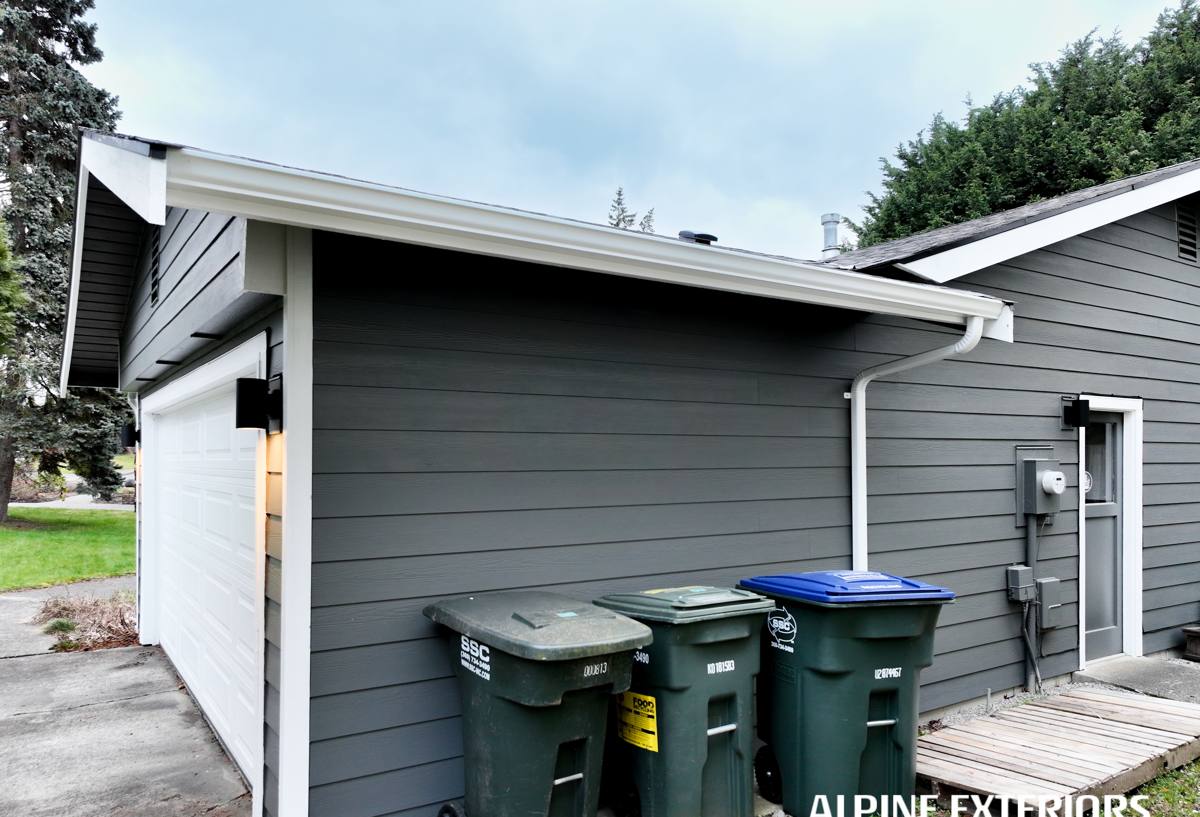
What This Climate Actually Does to the Wrong Siding
Wind-Driven Rain
Bradenton-area storms rarely deliver rain straight down. Gusts push it sideways, which means it hits siding laps, corner joints, and window trim at an angle instead of running off the way it would in calmer weather. Siding that isn't installed with the right lap exposure, flashing, and water-resistive barrier underneath will eventually let moisture behind the cladding — and once moisture gets behind siding, the sheathing and framing are exposed to slow rot long before anything looks wrong from the street.
Salt Air
Even a few miles inland from the coast, salt-laden air carries into Manatee County neighborhoods and accelerates corrosion on fasteners, trim flashing, and any metal components in a siding system. Fasteners that aren't corrosion-resistant can fail years before the siding itself does, which is a hidden failure point homeowners rarely think to ask about.
UV Exposure
Florida's sun is intense and consistent almost year-round. Paint-grade siding and lower-cost composite products tend to chalk, fade, or lose adhesion faster here than in most of the country. A factory-applied, UV-stable finish holds color and integrity far longer than field-applied paint ever will under this much sun exposure.
Hurricane Wind Loads
Samoset is well within the range of tropical storm and hurricane wind events that hit this stretch of Florida's Gulf Coast most seasons. Siding has to be rated and fastened for real wind uplift and pressure, not just cosmetic wind resistance — that's a fastening-schedule and product-rating issue, not a marketing claim.
Why We Install Only James Hardie Fiber Cement Siding
We made a decision as a company: we install James Hardie fiber cement siding, and nothing else. Not vinyl, not LP SmartSide, not Cemplank, not Allura, not primed spruce or cedar. That's not a sales pitch — it's a standard we hold because of what we've seen these products do, and not do, on homes exposed to Gulf Coast conditions over the long run.
Vinyl siding is affordable and easy to install, and for many parts of the country it's a perfectly reasonable choice. But it's a petroleum-based product that softens, warps, and can crack under sustained high heat and direct sun — exactly the conditions Samoset gets most of the year. It's also more vulnerable to wind uplift in storm-force gusts unless installed with unusually tight tolerances, which is a harder standard to hold consistently.
Wood-based and engineered wood products like LP SmartSide bring real advantages in appearance and workability, but they're still wood-derived, which means moisture management is unforgiving. In a climate with this much wind-driven rain and humidity, any lapse in flashing, caulking, or maintenance schedule shows up as swelling or edge deterioration faster than it would in a drier climate.
Other fiber cement brands, including Cemplank and Allura, are legitimate fiber cement products and not something we'd disparage — they're manufactured to compete directly with Hardie. Our reason for standardizing on James Hardie specifically comes down to their HZ5 product engineering for high-humidity, storm-prone climates, the factory-applied ColorPlus finish (which resists fading and chipping far better than field paint), and a warranty structure we've found to be the strongest and most straightforward to stand behind for the homeowner. Fiber cement as a category is non-combustible, dimensionally stable, and doesn't rot the way wood-based products can — which is exactly what a Samoset home exposed to salt air, UV, and wind needs from its siding.
What a Correct Siding Replacement Involves
Full Tear-Off and Substrate Inspection
We don't install new siding over old siding or damaged sheathing. A proper replacement starts with removing the existing cladding down to the sheathing, then inspecting for hidden moisture damage, soft spots, or rot that's been building unseen — which is common on homes where the old siding was trapping moisture rather than shedding it.
Water-Resistive Barrier and Flashing
Before a single piece of new siding goes up, the wall needs a correctly installed weather barrier and properly integrated flashing around every window, door, and penetration. This is the layer that actually keeps wind-driven rain out of the wall assembly — the siding itself is the second line of defense, not the first.
Installation to Manufacturer Spec
James Hardie siding has documented fastening patterns, lap exposure, and clearance requirements specifically for high-wind, coastal-influenced regions. Installing it correctly — right nail placement, right gap tolerances, right joint treatment — is what makes the difference between siding that performs for decades and siding that looks fine for a year or two before problems start.
Trim, Caulking, and Finish Details
The small details — corner trim, caulking at joints, paint-grade versus factory ColorPlus finish — are where a lot of premature siding failure actually starts. We treat these as part of the core installation, not an afterthought.
Our Process, Start to Finish
- Free on-site inspection: We walk the exterior with you, check current siding condition, and look for signs of hidden moisture or structural issues.
- Honest scope and estimate: You get a clear, written estimate that explains what's being replaced and why — no vague line items.
- Tear-off and substrate check: Old siding comes off, and we inspect sheathing before moving forward, flagging anything unexpected before we cover it up.
- Weather barrier and flashing install: The moisture-management layer goes in correctly, per code and manufacturer spec.
- James Hardie installation: Siding, trim, and finish details are installed to Hardie's climate-specific spec for wind and moisture performance.
- Final walkthrough: We review the finished job with you before we consider it done.
Signs a Samoset Home May Need Siding Replacement
- Visible warping, buckling, or waviness in the siding surface
- Cracking or splitting, especially near corners and seams
- Soft spots when pressed, which often indicate moisture damage underneath
- Persistent fading or chalking that painting no longer fixes
- Gaps opening up at seams, trim, or around windows and doors
- Rising energy bills that suggest the wall assembly is no longer insulating or sealing properly
- Visible mold, mildew, or staining that keeps returning after cleaning
- Siding that's original to a home built before current wind-rated standards were common
What Affects the Cost of a Siding Replacement
Every home is different, but the same handful of factors drive cost up or down on most Samoset siding jobs. This isn't a quote — it's a way to understand what you're actually paying for.
| Factor | Why It Matters |
|---|---|
| Home size and wall complexity | More square footage, more corners, dormers, and trim details all add labor time |
| Substrate condition | Hidden rot or moisture damage found during tear-off adds repair scope before new siding can go on |
| Siding profile and finish | Hardie plank, shingle-style, and board-and-batten profiles vary in material and labor cost |
| Trim and accessory scope | Corner boards, window trim, and soffit work add to the total beyond the field siding itself |
| Access and site conditions | Landscaping, fencing, and multi-story sections can affect labor time and equipment needs |
| Removal and disposal | Tear-off and disposal of old siding is part of a proper job, not an optional add-on |
Why a Crew That Already Works in Samoset Matters
Siding installation isn't just about the product — it's about whether the crew installing it understands what this specific area's homes are up against. A crew that regularly works Bradenton and Manatee County neighborhoods already knows how to detail flashing for wind-driven rain, how to fasten for local wind exposure, and what corrosion-resistant hardware actually holds up near the coast. That's experience you can't get from a crew that mostly works inland climates and treats every job the same way.
It also matters for permitting and code familiarity. Local wind-rating and building code requirements in this part of Florida are specific, and a crew that's pulled permits and passed inspections in Manatee County before isn't guessing at what's required — they already know.
Maintenance After Installation
James Hardie siding is low-maintenance compared to wood-based alternatives, but "low-maintenance" doesn't mean "no maintenance," especially in a climate like this one. A periodic rinse to clear salt residue and airborne debris, an annual visual check of caulking and trim joints, and prompt attention to any impact damage will keep the system performing the way it's designed to. None of this is heavy upkeep — it's the difference between siding that reaches its full service life and siding that quietly loses years off the front end because small issues went unaddressed.
Let's Take a Look at Your Home
If your Samoset home's siding is showing wear, or you just want an honest read on whether replacement makes sense yet, we're happy to walk the exterior with you and give you a straight answer — no pressure, no upsell. Use the form below to request a free estimate.