 Bradenton Siding
 Siding Installation for Samoset Homes
Samoset sits in the middle of Bradenton's older, established housing stock — a mix of mid-century block homes, ranch-style additions, and newer infill construction, most of it within a short drive of the Manatee River and not far from the Gulf. That location is exactly why siding decisions here can't be generic. A product or installation method that works fine in a drier, cooler climate can fail years early on a home a few miles inland from Sarasota Bay. We install exclusively James Hardie fiber cement siding, and this page walks through what that means specifically for a Samoset property: what the local climate demands, what a correct installation actually involves, and why a crew that already works this neighborhood is worth choosing over one that doesn't.
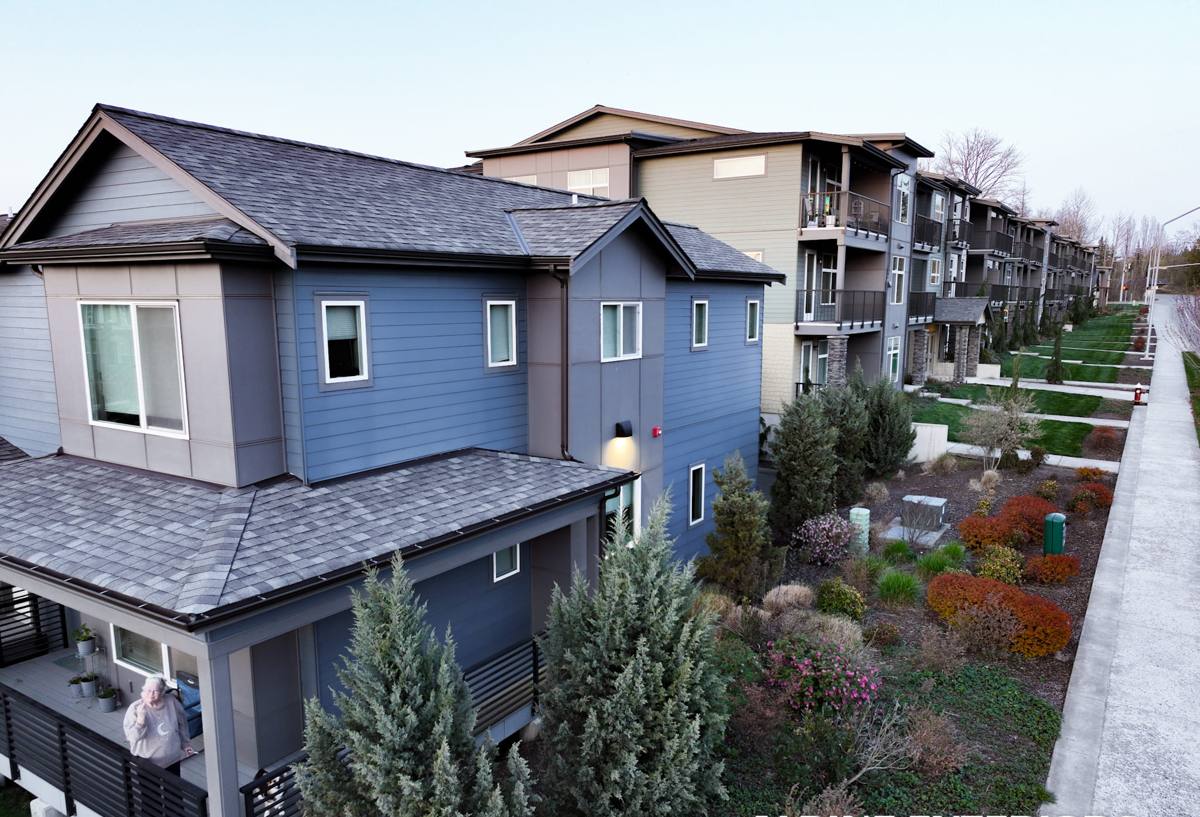
What Samoset's Climate Does to Siding
Manatee County sits squarely in a subtropical, hurricane-exposed zone, and Samoset's homes take the full brunt of it year-round. A few factors matter more here than in most parts of the country:
- Hurricane-force wind loads: Siding on a Bradenton-area home has to survive sustained tropical-storm and hurricane winds, plus the debris impact that comes with them, not just steady breezes.
- Wind-driven rain intrusion: During a named storm, rain doesn't fall straight down — it's pushed sideways into wall assemblies at pressure. Siding that isn't installed with correct flashing and drainage will let water behind it long before the panels themselves show damage.
- Intense, near-constant UV: Florida sun is stronger and more consistent than almost anywhere else in the continental U.S. Paint and coatings that hold up in northern climates chalk, fade, and break down faster here.
- Salt air: Samoset's proximity to Sarasota Bay and the Gulf means airborne salt is a real factor in material degradation, especially for fasteners, trim, and any siding product not engineered with coastal exposure in mind.
- Humidity and moisture cycling: Bradenton's combination of high humidity, afternoon storms, and heat creates ideal conditions for moisture to get trapped against a wall and stay there — which is when rot, mold, and pest damage start.
None of these factors are unique to Samoset alone, but together they're why we treat every siding job in this part of Bradenton as a coastal-climate installation, not a standard one.
Why We Only Install James Hardie
James Hardie fiber cement is a non-combustible, cement-based siding engineered specifically to resist the conditions listed above. We don't install vinyl, LP SmartSide, Cemplank, Allura, or wood products like primed spruce or cedar — not because those products can't be installed correctly somewhere, but because we've made a professional judgment that Hardie is the product that consistently performs on Manatee County homes over the long run.
Specific reasons Hardie is our standard:
- It won't ignite, warp, or melt under radiant heat the way vinyl can in direct, intense Florida sun.
- Its ColorPlus factory finish is baked on and warranted against fading, which matters enormously under Bradenton's UV load — far more than field-applied paint on wood-based siding.
- Hardie's HZ5 product line is engineered for high-humidity, storm-prone climates like ours, with moisture and impact performance that generic fiber cement or wood alternatives aren't built to match.
- It doesn't rot, delaminate, or feed pests, which removes an entire category of maintenance headaches that wood-based products carry in a humid coastal environment.
- It carries a strong, transferable manufacturer warranty backed by a company with a long track record in exactly this climate.
We go into more depth on these comparisons on our dedicated product pages — this page focuses on what all of that means for an actual installation on a Samoset home.
What a Correct Installation Involves
Fiber cement siding is only as good as the installation behind it. Most of the siding failures we get called out to inspect in this area aren't product failures — they're installation shortcuts. A correct job includes:
Water Management First
Before a single piece of siding goes up, the wall needs a proper water-resistive barrier, correctly lapped and taped house wrap, and flashing at every penetration — windows, doors, hose bibs, electrical outlets, and any trim transitions. In a wind-driven rain climate like ours, this layer is what actually keeps a wall dry, not the siding itself.
Manufacturer-Spec Fastening
James Hardie publishes specific nailing patterns, fastener types, and clearances for coastal and high-wind zones. Skipping or guessing at this is the single most common reason siding fails in a storm — panels blow off not because the material was wrong, but because it wasn't fastened to spec for the wind zone.
Correct Clearances and Gaps
Hardie siding needs a minimum clearance from grade, roofing, decks, and horizontal surfaces, plus expansion gaps at butt joints and trim. These clearances exist specifically to keep moisture from wicking into the bottom edge of the panel — a detail that's easy to shortcut and expensive to fix later.
Caulking and Sealant Discipline
Every joint, seam, and trim intersection needs the right sealant, applied correctly — not as a cosmetic finish step, but as part of the water management system. Missed or poorly applied caulking is a slow leak waiting to happen.
Painting and Finish Details
Even with ColorPlus factory-finished panels, cut edges and field touch-ups need to be primed and sealed correctly to maintain the finish warranty and keep raw fiber cement edges protected from moisture.
Our Installation Process
| Step | What Happens | Why It Matters in Samoset |
|---|---|---|
| 1. On-site assessment | We inspect existing siding, sheathing, and any signs of water intrusion or wind damage | Identifies hidden moisture or rot before it's covered up again |
| 2. Tear-off and sheathing check | Remove old siding, inspect sheathing condition, repair or replace as needed | Coastal humidity means sheathing damage is common and easy to miss |
| 3. Water-resistive barrier | Install and properly lap house wrap, flash all penetrations | This is the layer that actually stops wind-driven rain |
| 4. Hardie panel installation | Install to manufacturer wind-zone fastening spec with correct clearances | Keeps panels secured through hurricane-force wind events |
| 5. Trim, caulk, and finish | Seal joints, finish cut edges, install trim | Prevents the slow leaks that cause long-term rot |
| 6. Final walkthrough | Walk the job with the homeowner, confirm details and warranty paperwork | You know exactly what was installed and what's covered |
Signs a Samoset Home Needs New Siding
Homeowners in this area often wait too long to address siding problems because damage isn't always visible from the curb. Watch for:
- Soft or spongy spots when you press on the siding, especially near the bottom courses
- Visible warping, buckling, or panels that have pulled away from the wall
- Paint that's chalking, peeling, or fading unevenly, especially on sun-facing walls
- Rising utility bills that suggest the wall assembly is no longer performing as insulation
- Visible gaps at trim or corner boards where caulking has failed
- Any history of storm damage that was patched rather than properly repaired
If a home in Samoset is showing more than one of these signs, it's usually more cost-effective to plan a full re-side than to keep patching — especially once the underlying sheathing is compromised.
Cost Factors for Samoset Siding Projects
Every home is different, but the variables that actually move the price on a Samoset siding job are consistent:
| Factor | Why It Affects Cost |
|---|---|
| Home size and wall complexity | More corners, dormers, and trim details mean more labor and material cuts |
| Sheathing condition | Rotted or water-damaged sheathing found during tear-off has to be replaced before new siding goes on |
| Hardie product line selected | Lap siding, panel siding, and shingle-style products differ in material and labor cost |
| ColorPlus vs. field-painted finish | Factory-finished panels cost more upfront but reduce long-term maintenance |
| Access and site conditions | Tight lot lines, mature landscaping, or multi-story sections add labor time |
| Existing damage or code upgrades | Bringing older wall assemblies up to current wind-zone code can add scope |
We give an honest, itemized estimate after seeing the home in person — not a ballpark based on square footage alone, since the sheathing condition and wall complexity vary so much from one Samoset property to the next.
Why It Matters That We Already Work in This Area
A crew that regularly works Bradenton and Manatee County knows the local wind-zone requirements, has already seen how the area's mix of home ages and construction styles behaves over time, and isn't guessing at permitting or inspection expectations for the county. That familiarity shows up in small but important ways — knowing what to check for on a home of a certain age or construction type, understanding how a particular lot's exposure to sun or wind affects material choices, and being able to move through permitting without delays that push a project into storm season. For a homeowner, that translates into fewer surprises and a job that's built to actually hold up here, not just installed to a generic national standard.
Get a Free Estimate
If your Samoset home's siding is showing its age, or you're planning ahead of hurricane season, we're happy to take a look and give you a straightforward, no-pressure estimate on a James Hardie installation built for this climate. Fill out the form below to get started.