 Bradenton Siding
 Custom Decks Built for Southgate, Bradenton
A deck in the Southgate area of Bradenton lives a harder life than a deck almost anywhere inland. It sits in full Florida sun for most of the year, takes on wind-driven rain off the Gulf, and deals with the fine salt content that rides the air even several miles from open water. A deck that isn't built and finished with that reality in mind will show it early — fading, cupping boards, loose railings, rusted fasteners bleeding orange streaks into the decking. We build and repair custom decks for homeowners in this part of Manatee County, and every material and detail choice on this page reflects what actually holds up here, not what looks good in a catalog photo from a cooler, drier climate.
This page covers what a custom deck in Southgate needs to survive Bradenton's climate, what a properly built deck actually involves below the surface, and how we approach the job from first visit to final walkthrough.
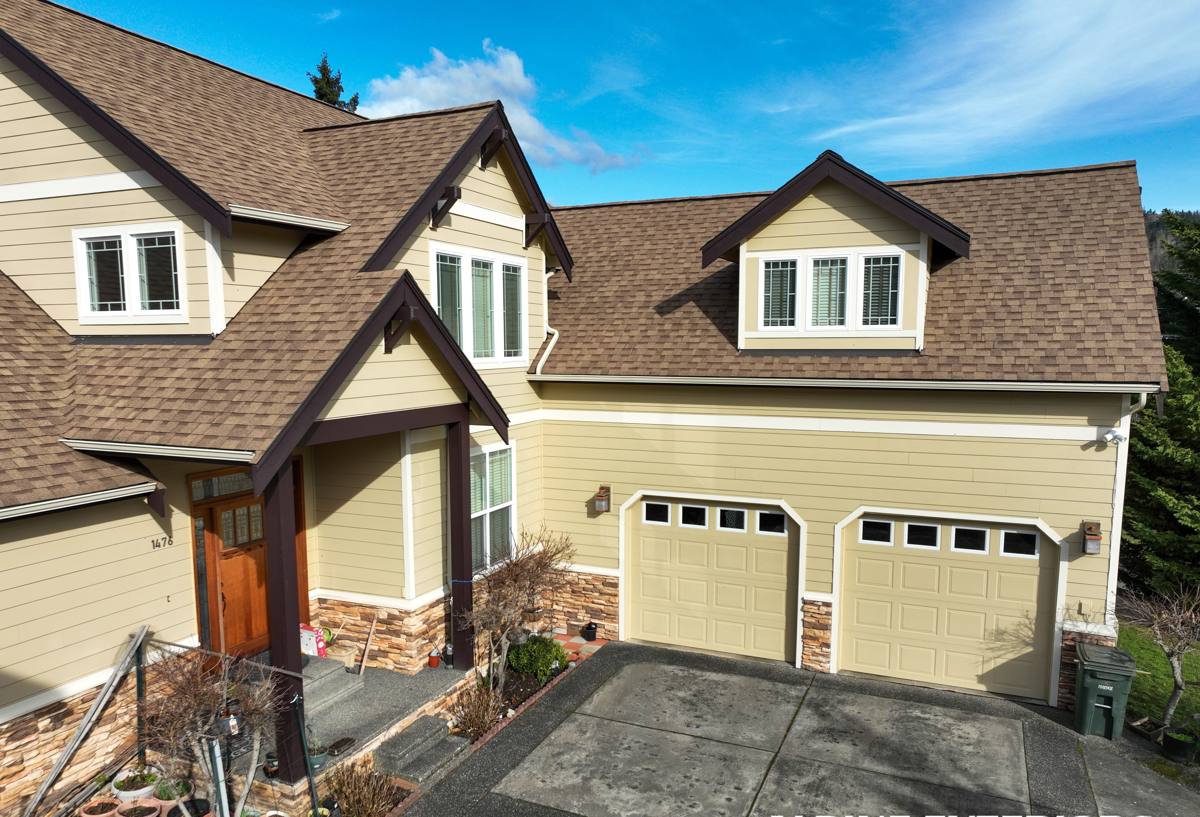
What Bradenton's Climate Does to a Deck
Southgate sits close enough to the Gulf and Tampa Bay that salt-laden air is a constant, even when there's no visible storm activity. Combine that with Manatee County's subtropical climate and a handful of specific problems show up on decks that weren't built for the region:
- UV degradation: Year-round, high-angle sun breaks down unprotected wood fibers and can fade or chalk lower-grade composite decking faster than the manufacturer's marketing suggests.
- Wind-driven rain: Rain here rarely falls straight down. It drives sideways into ledger connections, railing posts, and any gap where water can collect instead of shed.
- Salt air corrosion: Standard coated screws and brackets corrode faster near the coast. Corrosion at a structural connection is a safety issue, not just a cosmetic one.
- Humidity and moisture cycling: Wood decking swells and shrinks with humidity swings, which loosens fasteners and opens gaps for water intrusion over time.
- Hurricane-force wind loads: Railings, stair stringers, and ledger attachments need to be engineered for uplift and lateral load, not just built to look sturdy.
None of this means a deck can't last in Southgate — it means the build has to account for these forces from the framing up, not just at the finish coat.
Choosing the Right Decking Material
There's no single "best" decking material for every home — it depends on budget, maintenance tolerance, and how much direct sun and rain exposure the deck will get. Here's how the common options actually perform in a Gulf Coast climate like Bradenton's.
| Material | Sun & Heat Performance | Moisture & Salt Air | Maintenance |
|---|---|---|---|
| Pressure-treated wood | Fades and can check/splinter without regular sealing | Prone to swelling, cupping, and fastener corrosion if not maintained | Annual cleaning and resealing recommended |
| Tropical hardwood | Naturally dense, holds up well to sun with occasional oiling | Good natural rot resistance; still needs sealed end cuts and quality fasteners | Periodic oiling to maintain color and moisture resistance |
| Capped composite | Cap layer resists fading and heat damage better than uncapped composite | Doesn't absorb moisture like wood; performs well near salt air | Occasional washing; no sealing or staining |
| PVC decking | Fully synthetic, very stable in heat and UV | Doesn't absorb water; strong choice for coastal exposure | Lowest maintenance of the common options |
We install wood and composite/PVC decking systems and will walk through the honest trade-offs for your specific deck — orientation, sun exposure, and how much upkeep you actually want to do — rather than pushing whatever has the best margin. Wood costs less up front but asks for more of your time every year. Composite and PVC cost more initially but ask very little of you once installed, which matters more the closer a home sits to open water and salt spray.
Fasteners and Hardware Matter as Much as the Decking
A beautiful deck surface fastened with the wrong hardware is a short-term deck. In a coastal-influenced climate like Bradenton's, we use corrosion-resistant fasteners and structural hardware rated for the exposure — this is one of the most common corners cut on budget deck jobs, and it's usually invisible until the corrosion has already compromised a connection.
What Goes Into a Correctly Built Deck
The decking boards are the part everyone sees, but the structure underneath determines whether the deck is safe and how long it lasts. A properly built custom deck involves:
- Footings sized for the load and soil: Footing depth and diameter need to match the deck's size, height, and the soil conditions on your specific lot.
- A properly flashed ledger board: Where the deck attaches to the house is the single most common failure point on older or poorly built decks. Correct flashing keeps wind-driven rain from getting behind the siding and into the structure.
- Joist spacing and beam sizing matched to the decking material: Composite and PVC often require tighter joist spacing than wood — following the manufacturer's span tables is what keeps warranties valid.
- Railings and guards built to code: Height, baluster spacing, and post attachment all have code requirements, and railings take direct wind load during a storm.
- Stair stringers sized for the rise and run: Undersized or improperly notched stringers are a common source of deck failures and injuries.
- Ventilation beneath the deck: Trapped moisture under low decks accelerates rot and corrosion — airflow matters as much as drainage.
Every one of these is easy to shortcut and hard to inspect once the decking is down. We build to these standards because a deck that fails a structural inspection five years in costs the homeowner far more than doing it correctly the first time.
Permits and Wind Requirements
Most new deck construction and many significant deck repairs in Manatee County require a building permit, and the structure needs to meet Florida Building Code wind load requirements for the region. This isn't paperwork for its own sake — it's the mechanism that ensures footings, ledger attachment, and railings are sized to survive the wind loads a Gulf Coast storm can generate. We handle the permitting process as part of the job so you're not left navigating county requirements on your own, and so the finished deck is documented and code-compliant if you ever sell the home or file an insurance claim.
Our Process for a Southgate Deck Project
- On-site assessment: We look at your lot, sun exposure, drainage, house attachment point, and how you actually plan to use the space.
- Design and material selection: We talk through layout, decking material, and railing options based on your budget and maintenance preference — not a one-size-fits-all package.
- Permitting: We prepare and submit the permit package required for the scope of work.
- Site prep and framing: Footings, ledger flashing, and structural framing go in first, built to the load and wind requirements for the design.
- Decking, railings, and finish work: Decking is installed per manufacturer spacing and fastening specs; railings, stairs, and trim are completed and inspected.
- Final walkthrough: We go over the finished deck with you, including what maintenance (if any) the material you chose will need going forward.
Maintaining a Deck in a Coastal Climate
Even a well-built deck needs some seasonal attention in Bradenton's climate. What that attention looks like depends heavily on the material, but a few habits apply across the board:
- Rinse salt residue and pollen buildup off the decking surface periodically, especially after dry spells followed by rain.
- Check railing posts and stair connections for movement or loose fasteners once or twice a year.
- Keep gutters and downspouts clear so runoff doesn't dump directly onto or under the deck.
- Trim back vegetation that's shading the deck constantly and keeping it damp.
- For wood decking, reseal on the schedule the sealant manufacturer recommends — UV exposure here shortens that interval compared to cooler climates.
- Inspect under low decks for signs of moisture trapping or pest activity where airflow is limited.
What a Custom Deck Typically Costs
Deck pricing depends on size, height off the ground, material, railing style, and site access — a low deck off a slab is a very different job from a tall deck requiring engineered footings and stairs. In broad terms, pressure-treated wood decks are the lower end of the range, tropical hardwood and composite fall in the middle to upper-middle range, and PVC decking with upgraded railings sits at the higher end. We'll give you a specific, itemized number after seeing the site — general ranges online rarely account for your actual footprint, height, and access conditions.
| Cost Factor | Why It Matters |
|---|---|
| Deck size and shape | More square footage and complex shapes (angles, multiple levels) increase material and labor |
| Height above grade | Taller decks need larger footings, more framing, and code-required stairs and railings |
| Decking material | Wood costs less upfront; composite and PVC cost more but need less long-term upkeep |
| Railing style | Cable, glass, and aluminum railings cost more than standard baluster systems |
| Site access | Difficult access for equipment and material delivery can add labor time |
Why a Crew That Already Works in Southgate Matters
Building a deck that holds up in Bradenton isn't about using exotic materials — it's about applying the right details consistently: the corrosion-resistant fastener instead of the standard one, the properly flashed ledger instead of the quick lag-bolt attachment, the footing sized for real Manatee County soil and wind conditions instead of a generic spec. A crew that regularly builds and repairs decks in this area has already seen which shortcuts fail first here, because they've been the ones called back to fix them. That's the difference between a deck that needs attention in three years and one that's still solid well past ten.
If you're considering a new custom deck or need an honest look at repairing or replacing one, we're happy to come out, walk the site, and give you a straightforward assessment. Use the form below to request a free, no-pressure estimate.