 Bradenton Siding
 Roof Repair for Southgate Homes
Southgate is one of Bradenton's older, established residential pockets, and that means a lot of the roofs here have been through more than a few Florida summers. Whether your home has the original shingle roof from a past reroof job or a more recent install, Manatee County's climate doesn't give any roof an easy ride. Intense UV exposure, sudden downpours, and the occasional direct hit from a tropical system all add up over time, and the damage doesn't always show up where you'd expect it.
We handle roof repair calls throughout Southgate and the surrounding Bradenton neighborhoods, and most of what we see falls into a predictable pattern: a roof that's still structurally sound overall, but with specific trouble spots that need to be fixed correctly before they turn into bigger problems. This page walks through what that actually looks like.
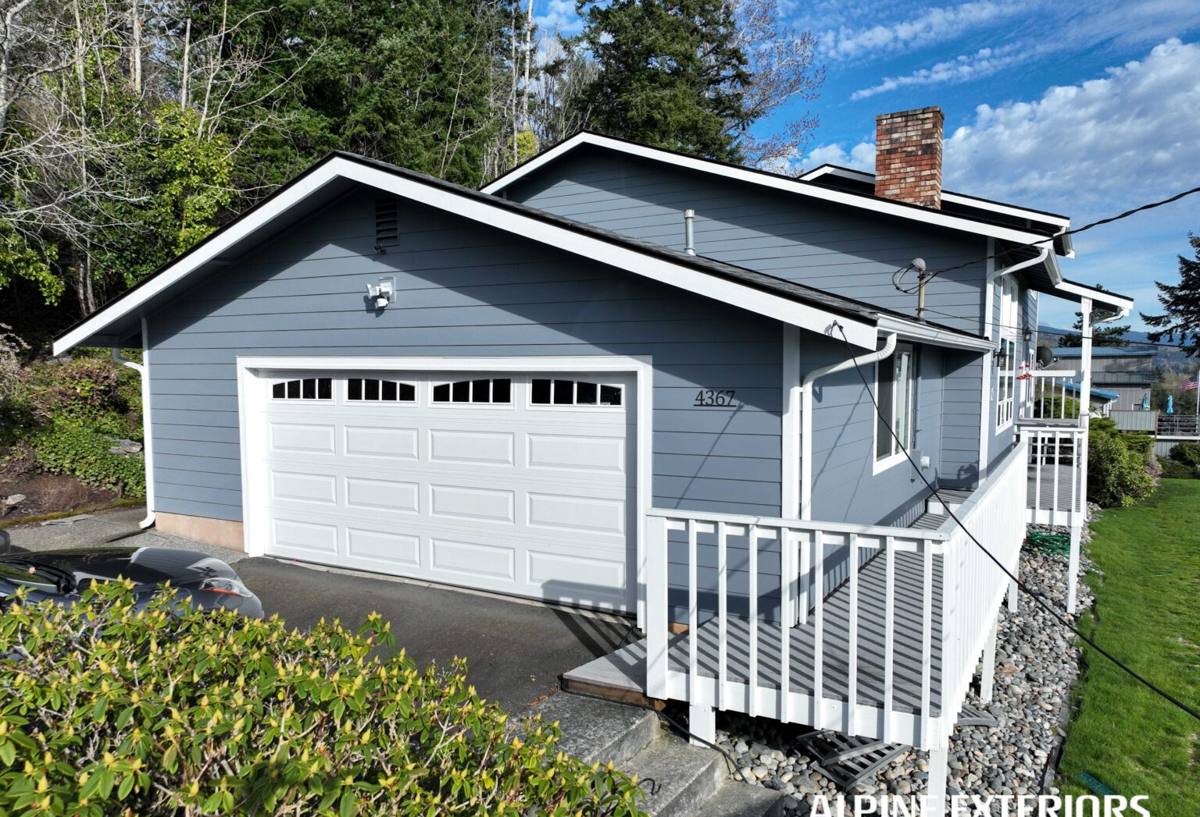
What Southgate's Climate Does to a Roof
Bradenton sits close enough to the coast that salt-laden air is a real factor here, even a few miles inland. Salt air accelerates corrosion on exposed metal fasteners, flashing, and vent boots faster than it would in a drier, inland climate. Combine that with Florida's UV load — among the highest in the country for most of the year — and you get shingles that lose their granule protection and become brittle sooner than the manufacturer's glossy brochure suggests.
Then there's wind-driven rain. A roof doesn't have to lose shingles in a storm to start leaking. High winds push rain sideways and upward under shingle edges, around flashing, and through any gap that's even slightly compromised. Southgate's mature tree canopy is a nice feature for shade and curb appeal, but it also means more debris, more granule-stripping abrasion during wind events, and more moisture held against the roof surface after a storm passes.
None of this means Southgate roofs are doomed — it means repairs here have to account for conditions a roof in a milder climate simply doesn't face.
Common Damage Patterns We See in This Area
- Cracked or curling shingles on south- and west-facing slopes from sustained UV exposure
- Lifted or missing shingles along ridge lines and roof edges after wind events
- Corroded or failing flashing around chimneys, skylights, and wall intersections
- Deteriorated pipe boots and vent seals letting water track into the attic
- Granule loss and soft spots from ponding water on low-slope sections
- Nail pops and fastener backout from thermal expansion and contraction cycles
Signs Your Roof Needs Repair, Not Replacement
Not every leak or damaged section means you need a new roof. A big part of our job is figuring out honestly whether a targeted repair will actually hold up, or whether it's a band-aid on a roof that's past the point of spot fixes. Some signs point clearly to a repair being the right call:
- The damage is isolated to one section, slope, or penetration point
- The roof deck underneath is still solid, with no widespread rot
- The rest of the shingles or roofing material are still within their useful life
- You have a single, identifiable leak source rather than water showing up in multiple rooms
- The roof is less than roughly two-thirds through its expected lifespan
If several of these don't apply — say the roof is old, the leak location keeps shifting, or we find soft decking in more than one area — we'll tell you that plainly instead of patching something that's going to fail again in a year.
What a Correct Roof Repair Actually Involves
A repair that's done right isn't just swapping out the shingles you can see damaged. It starts with finding the actual entry point of the water, which is often not directly above the stain on your ceiling — water travels along the deck and rafters before it drips somewhere visible.
Steps We Take on a Proper Repair
- Locate the source — trace the leak path, not just the symptom, checking flashing, penetrations, and shingle courses uphill of the damage
- Inspect the decking — pull back affected shingles to check for soft or delaminated plywood that needs replacing before anything goes back on
- Replace underlayment locally — the felt or synthetic underlayment beneath the shingles gets replaced in the repair zone, not just covered over
- Match materials — shingles, flashing metal, and sealants are matched as closely as possible to what's already on the roof
- Rebuild flashing details — step flashing, counter-flashing, and pipe boots are rebuilt rather than just caulked, since caulk alone is a temporary fix at best
- Reseal and inspect — the repaired section is checked for proper shingle nailing pattern and sealant strip adhesion before we consider the job done
That last point on caulk is worth pausing on. Caulk and roof cement have their place, but relying on sealant instead of proper flashing work is exactly how a "quick fix" turns into a callback six months later. We use sealant to finish a detail correctly, not to substitute for it.
Roof Types Around Southgate and How Repair Differs
Southgate has a mix of roofing types, and the right repair approach depends on what's actually up there. Here's how the common types compare when it comes to repair work:
| Roof Type | Typical Repair Focus | Key Consideration in This Climate |
|---|---|---|
| Architectural shingles | Wind-lifted tabs, flashing, granule loss patching | Color and shingle line matching gets harder as the roof ages and fades |
| 3-tab shingles | Cracking, curling, individual tab replacement | More UV-sensitive over time; matching older stock can be difficult |
| Tile (concrete or clay) | Cracked or slipped tiles, underlayment beneath tile field | Underlayment failure often precedes visible tile damage by years |
| Metal panel | Fastener backout, seam sealant, panel fastener corrosion | Salt air accelerates fastener and seam corrosion near the coast |
| Flat / low-slope sections | Membrane seams, ponding water, drain and penetration flashing | Common over porches and additions; ponding is the leading cause of failure |
Tile roofs deserve a specific note: the tile itself is often just the weather-facing layer, and the underlayment beneath it is doing the real waterproofing work. A cracked tile can look like the problem when the underlayment underneath has actually failed. A proper tile repair means lifting tiles to check what's underneath, not just replacing what's broken on the surface.
Our Repair Process, Start to Finish
We keep the process straightforward because most homeowners calling about a roof repair are dealing with an active leak or storm damage and don't need extra steps between them and a fix.
- We come out and physically inspect the roof — not just a ground-level look, but getting up there to check the actual damage and surrounding areas
- We identify the leak source and any secondary issues, including deck condition
- We give you a clear, honest assessment: what needs to be repaired, what it involves, and a straightforward price
- We complete the repair, matching materials as closely as possible to your existing roof
- We do a final check of the repaired area and surrounding flashing before we consider the job finished
If we find something bigger than a repair during the inspection — widespread deck rot, a roof at the end of its service life — we'll say so and explain why, rather than doing a patch we know won't hold.
Storm Damage and Insurance
After a wind event or heavy storm, it's worth having a roof checked even if you don't see obvious damage from the ground. Wind can lift shingle tabs just enough to break the seal without fully detaching them, which sets up a leak that shows up weeks later during the next heavy rain. If your roof does have storm damage that may involve an insurance claim, we can document what we find with photos and a written description of the damage, which is useful for your claim. We're not a public adjuster and we don't handle the claim itself, but a clear, honest record of the actual roof condition helps your process move faster.
Why It Matters That We Work Southgate Regularly
A crew that's on Southgate roofs on a regular basis has a practical sense of what tends to go wrong on the housing stock in this part of Bradenton — the age range of the roofs, the tree coverage, the flashing details that were common when a lot of these homes were built or last reroofed. That's not a substitute for a careful inspection of your specific roof, but it does mean fewer surprises and a faster, more accurate diagnosis when you call.
It also means we're not driving in from across the county for a callback. If a repair needs a follow-up check after the next hard rain, we're already working in the area.
Simple Roof Maintenance Checklist for Southgate Homeowners
- Walk your yard after storms and check for shingle granules collecting near downspouts
- Look at ceilings and attic spaces for staining after heavy rain, even small spots
- Keep gutters clear so water doesn't back up under the roof edge
- Trim back tree limbs that overhang or rub against the roof surface
- Have the roof checked after any named storm or sustained high-wind event
- Don't ignore a small leak — the entry point is rarely as small as the stain suggests
If you're dealing with a leak, storm damage, or a roof that just needs a second opinion, we're glad to come take a look. We offer free, no-pressure estimates for roof repair work in Southgate and the rest of the Bradenton area — just fill out the form below and we'll get in touch.