 Bradenton Siding
 Why Southgate Homes Need Siding Built for This Climate, Not Just Any Climate
Southgate sits in one of the more demanding exterior environments in the country. Homes here absorb hurricane-force wind gusts during tropical systems, near-constant UV exposure that most of the continental U.S. never sees, wind-driven rain that gets pushed sideways into wall assemblies, and a steady dose of salt air drifting in off the Gulf and Tampa Bay. Any one of those on its own is manageable. All four hitting the same wall system, year after year, is what separates a siding job that lasts two decades from one that starts failing in five.
That's the lens we use on every Southgate project: not "what siding looks good," but "what siding survives this specific mix of stress." That question shapes the product we install, how we install it, and how we talk homeowners through the decision.
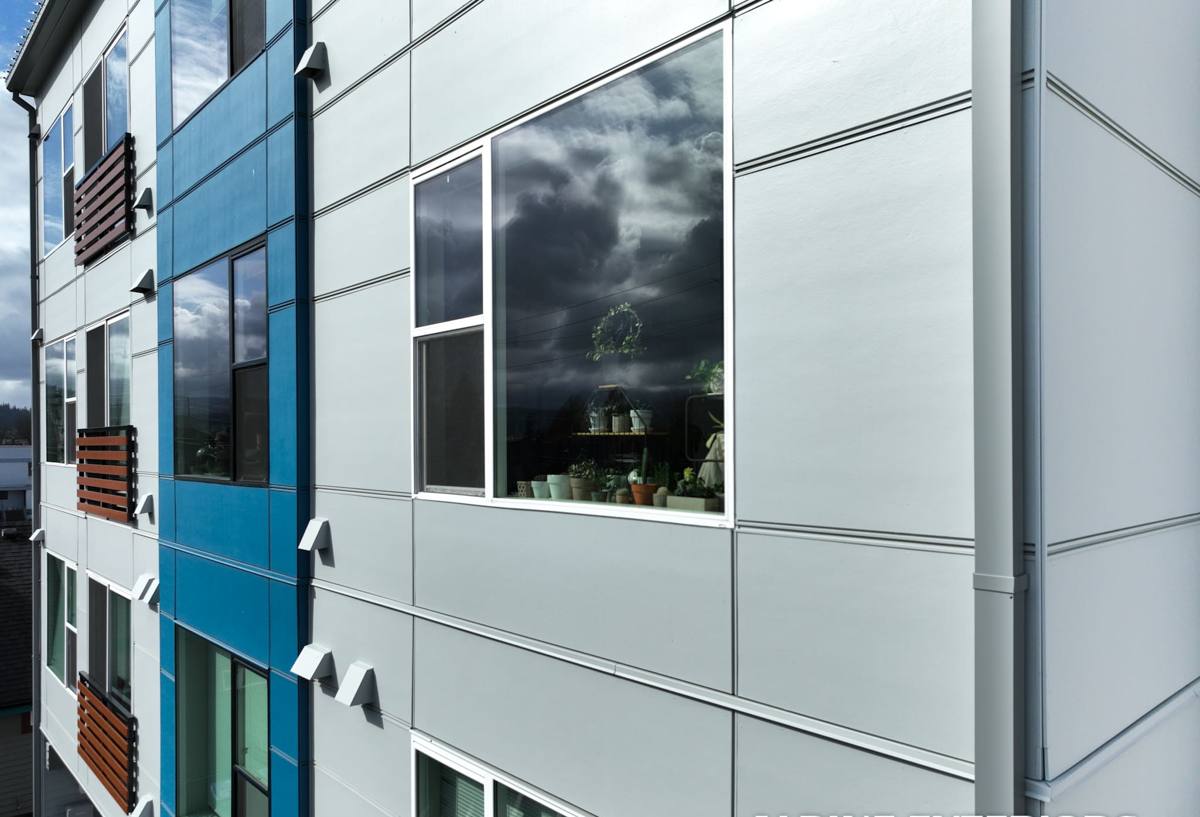
What Southgate's Housing Stock Means for a Siding Job
Like much of Bradenton and the surrounding Manatee County neighborhoods, Southgate has a mix of home ages and construction types — concrete block with siding accents, wood-frame additions, and full wood-frame homes from different building eras. We won't guess at specifics for any one house here, but the general pattern holds across most of the area: older wall assemblies were rarely detailed for today's wind-driven rain loads, and whatever siding is on the house now has usually been through several hurricane seasons of UV and moisture cycling.
That means a siding replacement in Southgate is almost never just a cosmetic swap. It's a chance to correct whatever moisture management the original build didn't account for — house wrap, flashing, and drainage details that a lot of older installations simply skipped.
What We Look for on the Walkthrough
- Soft or spongy spots around windows, doors, and lower wall sections
- Staining or streaking that suggests water is tracking behind the current siding
- Gaps or caulk failure at trim, corners, and penetrations
- Fading or chalking that indicates UV breakdown of the existing material
- Any prior patch work that doesn't match the surrounding wall plane
Why This Company Installs Only James Hardie Fiber Cement
We don't install vinyl siding, LP SmartSide, Cemplank, Allura, or primed wood siding like spruce or cedar. That's not a marketing line — it's a standard we've held to because of what these coastal conditions do to those products over time.
Vinyl softens and can distort under prolonged direct sun, and in high wind events it's more prone to cracking or blowing off at the edges than a properly fastened fiber cement panel. Engineered wood products like LP SmartSide perform well in many parts of the country, but they rely on an intact factory coating to keep moisture out — any breach in that coating, which is more likely in a climate with this much wind-driven rain, opens the door to swelling and rot at a rate that untreated fiber cement doesn't share. Other fiber cement brands aren't inherently bad materials, but we've standardized on one manufacturer, one installation system, and one warranty structure so every crew member installs to the same spec every time, rather than juggling different fastening schedules and trim details across product lines.
James Hardie fiber cement is non-combustible, holds its factory-applied ColorPlus finish far longer under intense UV than field-painted alternatives, and Hardie engineers specific product lines (the HZ5 line, for this climate zone) for high-humidity, high-wind coastal regions. That combination is why it's the only product we put on a wall.
Products We Don't Install and Why
| Product | What It Does Well | Why It's a Poor Fit Here |
|---|---|---|
| Vinyl siding | Low upfront cost, lightweight | Softens in intense sun, more vulnerable to wind uplift and impact cracking |
| LP SmartSide | Workable engineered wood, decent in drier climates | Depends on unbroken coating; swells and rots faster once moisture gets behind it |
| Primed spruce/cedar | Traditional look, renewable material | Needs frequent repainting and is highly moisture-sensitive in humid, salt-air conditions |
| Other fiber cement brands | Similar core material properties | We standardize on one system so warranty, fastening, and finish specs stay consistent |
What a Correct Installation Actually Involves
Fiber cement siding is only as good as the wall assembly underneath it. A correct install in Southgate's climate means paying as much attention to what's hidden as to what's visible.
Moisture Management First
Before a single piece of siding goes up, the wall needs a continuous weather-resistive barrier, properly lapped and taped, with flashing integrated at every window, door, and penetration so water sheds outward instead of tracking behind the cladding. This is the step that gets skipped most often on lower-quality jobs, and it's the one that determines whether the wall stays dry through the next tropical storm.
Fastening for Wind, Not Just for Looks
Fastener spacing and type matter more here than in calmer inland climates. Hardie publishes fastening schedules specifically for high-wind zones, and we follow them — corrosion-resistant fasteners, correct penetration depth, and spacing tightened up wherever the wall is more exposed to gusts.
Trim, Joints, and Caulking Done Right
Butt joints, corners, and trim transitions are where most premature siding failures start. Proper flashing behind trim boards, correctly rated sealants, and joints backed by solid substrate keep wind-driven rain from finding a way in.
Factory Finish, Not Field Paint
ColorPlus finish is baked on at the factory under controlled conditions, which is a big part of why it resists the fading and chalking that hits field-painted siding under this much annual UV exposure.
Our Process, Start to Finish
- On-site assessment — we walk the exterior, check the existing wall condition, and identify any moisture or substrate issues before quoting anything.
- Written estimate — a clear scope covering removal, substrate repair (if needed), house wrap, flashing, siding, and trim.
- Substrate prep — repairing or replacing any rotted or damaged sheathing found once the old siding comes off.
- Weather barrier and flashing installation — the part of the job that protects everything installed after it.
- Hardie siding and trim installation — following manufacturer fastening specs for this wind zone.
- Final walkthrough — checking joints, caulking, and finish with the homeowner before calling the job complete.
What Drives Cost on a Southgate Project
Every home is different, so we don't quote sight unseen — but these are the factors that most often move a project's scope and price:
| Cost Factor | What Drives It in Southgate | Why It Matters |
|---|---|---|
| Home size and story count | More wall area and higher elevations | Directly affects material and labor quantities |
| Existing siding removal | Layers of old siding or difficult-to-remove material | Adds labor time and disposal cost |
| Substrate condition | Rot or water damage found once old siding is off | Unaddressed rot compromises the new installation |
| Trim and architectural detail | Corners, dormers, multiple roof lines | More cutting, fitting, and flashing work |
| Siding profile chosen | HardiePlank lap vs. HardiePanel vertical vs. board-and-batten | Labor and trim requirements vary by profile |
Maintaining Hardie Siding in a Coastal Climate
One reason homeowners move to fiber cement is lower long-term upkeep, but "low-maintenance" isn't "no-maintenance," especially with salt air in the mix.
- Rinse salt residue and grime off the siding a couple of times a year, especially on sides facing open water or prevailing wind
- Keep an eye on caulking at trim and joints, and have any cracked or missing sealant redone promptly
- Trim back landscaping that holds moisture against the wall
- Check gutters and downspouts direct water away from the foundation and siding base
- Have any impact damage from storm debris inspected and repaired rather than left open to moisture
Why Hiring a Crew That Already Works Southgate Matters
A siding installer who only occasionally works this part of Bradenton is learning the local conditions on your house. A crew that already works Southgate regularly already knows the wind exposure patterns, the kind of substrate issues that tend to turn up under older siding in this area, and the local permitting process for exterior work in Manatee County. That familiarity shows up in fewer surprises mid-project and a tighter, more consistent install.
It also means faster response if something needs attention after the job is done — a local crew isn't a phone number in another region; they're around the corner.
If you're weighing a siding replacement in Southgate, we're happy to take a look at your home and walk you through what we're seeing, with no pressure to commit. Use the form below to request a free estimate.