 Bradenton Siding
 Composite Decking for Tara Homes: Built for What Bradenton Actually Throws at It
Tara is one of Bradenton's established residential communities, and like most neighborhoods in this part of Manatee County, it sees the full range of what Gulf Coast weather can do to an outdoor structure. A deck here isn't just a backyard feature — it's an investment that has to survive intense year-round UV, sudden downpours, salt-laden air moving in off the coast, and the occasional hurricane-force wind event. Composite decking, installed correctly, is one of the few decking materials that holds up to all of that without turning into a maintenance chore. This page covers what Tara homeowners specifically need to know before installing composite decking: what the climate does to a deck over time, what a correct installation actually involves, and what to look for in a contractor.
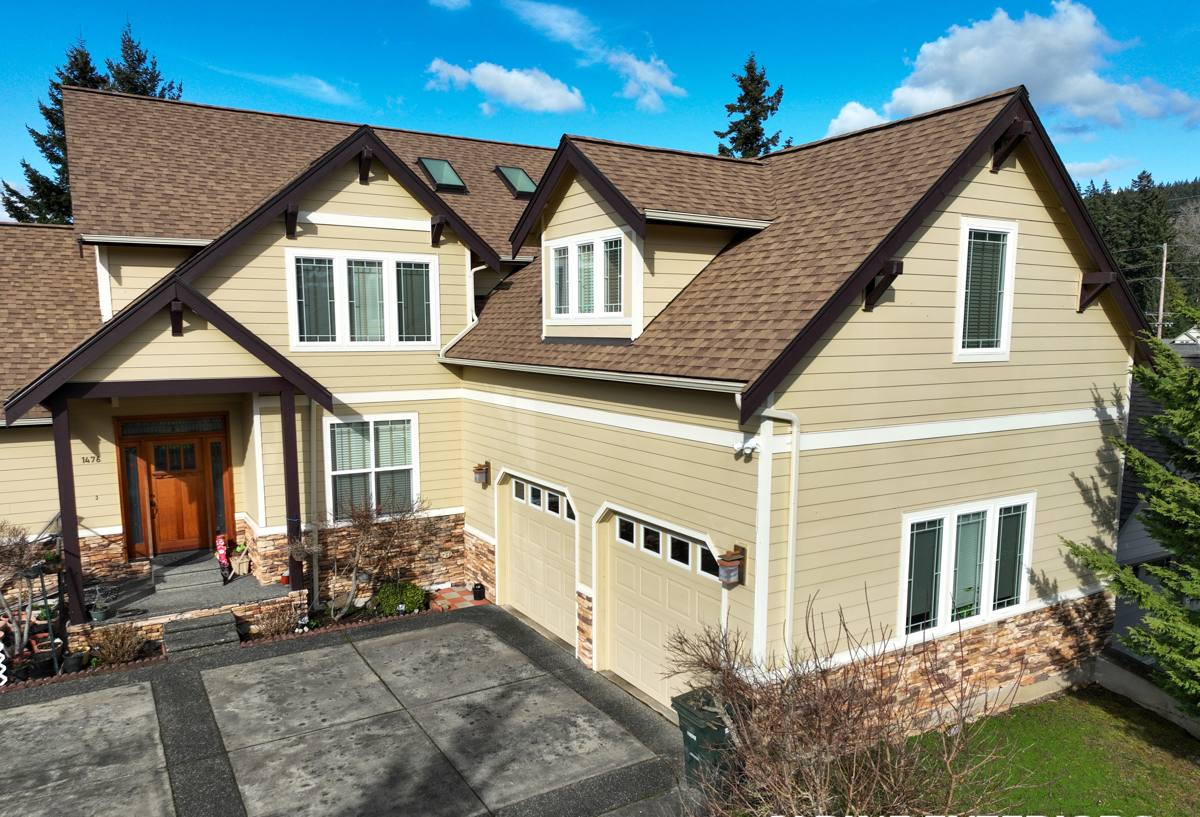
What Bradenton's Climate Does to a Deck Over Time
Every decking material ages differently in Southwest Florida. Understanding the specific stresses at play helps explain why some installations last decades and others fail within a few years.
UV Exposure and Heat
Bradenton gets sun exposure most of the country doesn't see. Unprotected wood grays and checks quickly under that kind of UV load, and lower-grade composite products without a real cap layer can fade unevenly depending on how much shade a section of deck gets during the day. Surface temperature matters too — dark decking in full sun can get hot enough to be uncomfortable underfoot in summer, which is worth factoring into color choice, not just fade resistance.
Wind-Driven Rain and Standing Moisture
Afternoon storms in this area rarely fall straight down. Wind-driven rain gets pushed sideways and underneath decking, into joints, fastener holes, and anywhere framing meets a board. Composite boards themselves don't absorb water the way wood does, but the substructure underneath — and any wood trim, fascia, or blocking — absolutely can, if it isn't detailed for drainage and airflow.
Salt Air and Corrosion
Tara isn't right on the water, but Manatee County as a whole sits close enough to the Gulf that salt-laden air is a real factor on anything metal. Standard fasteners, brackets, and hidden clips corrode faster here than they would inland. This is one of the most overlooked failure points in decking work — the boards can look fine while the hardware holding them down is quietly rusting away underneath.
Hurricane-Force Wind Loads
Manatee County building code accounts for high wind zones, and a deck is a structure, not just a surface. Railings, post connections, and ledger attachments all have to be engineered to resist uplift and lateral loads during a named storm, not just support foot traffic on a calm day.
Why Composite Decking Makes Sense in Tara
Given all of that, composite decking has real advantages for this climate when it's a quality capped product installed correctly:
- No annual sanding, staining, or sealing — a meaningful difference in a climate where wood needs upkeep at least once a year to look decent
- Capped boards resist moisture absorption, so they don't swell, cup, or rot the way exposed wood fibers can
- Consistent color and finish across the whole deck, without the graying and splintering that Florida sun causes on untreated wood
- Slip resistance that holds up even when boards get wet from storms or pool splash-out
None of that means composite is maintenance-free — it still needs to be cleaned and it's still only as good as the frame and hardware underneath it. But for a homeowner who wants a deck that looks the same in year ten as it did in year one, composite is the more honest recommendation for this climate, not just the more profitable one to sell.
What a Correct Composite Deck Installation Actually Involves
The board itself is the part homeowners see and compare, but most composite deck failures we get called out to inspect trace back to the substructure, not the decking material.
Framing and Footings
Footings need to be sized and set to local soil and frost-free depth requirements, and framing lumber should be a grade rated for ground contact or exposure, fastened with corrosion-resistant hardware from the start — not upgraded later once something starts staining or loosening.
Fasteners and Hardware
This is the detail that separates a deck that lasts from one that doesn't in a salt-air environment. Structural connectors, joist hangers, and hidden fastener clips all need to be rated for coastal or ACQ-treated lumber exposure. Mixing incompatible metals accelerates corrosion — a mismatch that isn't visible until years in.
Ventilation, Slope, and Drainage
Composite decking needs airflow underneath it, and the frame needs a slight slope away from the house so water doesn't pool against the ledger board or foundation. Skipping proper ventilation is one of the most common shortcuts we see, and it's invisible until moisture damage shows up in the framing years later.
Ledger Attachment
Where a deck attaches to the house, flashing has to be installed correctly to keep wind-driven rain from working its way behind the siding or into the rim joist. This connection also carries a meaningful share of the structure's wind load, so it has to be fastened to code, not just to whatever the existing framing happens to allow.
Composite vs. Wood vs. PVC: Cost and Performance Factors
Every decking material trades off differently on cost, upkeep, and how it handles this specific climate. Here's how the three most common options compare for a Tara project:
| Factor | Pressure-Treated Wood | Capped Composite | PVC |
|---|---|---|---|
| Upfront material cost | Lowest | Moderate to higher | Highest |
| Annual maintenance | Staining/sealing needed yearly | Occasional cleaning only | Occasional cleaning only |
| UV fade resistance | Poor without upkeep | Good with a real cap layer | Good |
| Moisture/rot risk | Higher over time | Low (board itself doesn't rot) | Very low |
| Surface heat in full sun | Moderate | Can run hot in dark colors | Similar to composite |
| Typical lifespan, installed correctly | 10-15 years before major repair | 20-25+ years | 25-30+ years |
PVC edges out composite on pure moisture immunity and tends to run more expensive; wood costs less up front but demands the most ongoing labor from the homeowner in this climate. Composite lands in the middle for most Tara homeowners: a real upgrade over wood without the top-end price of PVC.
Our Process, Start to Finish
- On-site estimate: We walk the space in person, check house elevation and drainage, and talk through board options and layout.
- Design and material selection: Board profile, color, and railing system are finalized, along with any permit drawings Manatee County requires.
- Permitting: We handle the permit submission and inspections so the structure is documented and compliant, not just built.
- Framing and footings: Substructure goes in first, built to local wind and load requirements before a single deck board is laid.
- Decking, fastening, and railing installation: Boards, hidden fasteners, and railing hardware are installed to manufacturer and code spec.
- Final walkthrough: We inspect the finished deck with you before calling the job done.
Permits, Wind Ratings, and Local Code
A deck attached to a home in Manatee County generally requires a building permit and inspection, and the structure needs to be engineered for the county's applicable wind speed requirements — this isn't optional paperwork, it's what keeps a railing or ledger connection from failing in a storm. Any contractor proposing to build or replace a deck without pulling a permit is cutting a corner that becomes the homeowner's liability, not the contractor's.
Maintenance Checklist for Composite Decking in a Coastal Climate
Composite decking is low-maintenance, not no-maintenance. A few habits keep it performing the way it's supposed to for decades:
- Rinse or sweep off salt residue, pollen, and organic debris every few weeks rather than letting it build up
- Wash the deck surface with mild soap and water once or twice a year to prevent mildew film in shaded areas
- Keep gutters and downspouts clear so water isn't dumping directly onto or under the deck
- Check railing posts and stair connections annually for any looseness, especially after a named storm
- Inspect under the deck occasionally for any signs of moisture staining on framing or hardware
- Avoid dragging metal furniture or grills directly across the surface, which can mar the cap layer
Why Hiring a Crew That Already Works in Tara Matters
A contractor who already works this area knows the practical realities that don't show up in a spec sheet — what the soil does under footings in this part of Manatee County, how HOA architectural guidelines in established communities like Tara typically handle deck additions, and which fastener and hardware upgrades are worth the extra cost given how close this whole region sits to salt air. That local familiarity shows up in fewer surprises during permitting, fewer callbacks after the first storm season, and a deck that's actually built for where it's going, not just built to a generic spec.
If you're weighing composite decking for a home in Tara, we're happy to walk the property, talk through material and layout options honestly, and put together a straightforward estimate — no pressure, no obligation. Use the form below to get started.