 Bradenton Siding
 Deck Repair Built for Village of the Arts
Village of the Arts is one of Bradenton's most distinctive residential pockets — a walkable, historic neighborhood of bungalow-style homes, cottages, and converted studio properties close to downtown and the Manatee River corridor. A lot of the outdoor living space here was built onto older homes over the years, sometimes by a previous owner, sometimes by a contractor who's long gone. That history is part of the neighborhood's charm, but it also means a lot of decks in this area are carrying more age, more patchwork repairs, and more exposure than a newer subdivision deck would see.
We repair decks for homeowners in Village of the Arts and the surrounding Bradenton area, and we see the same pattern again and again: a deck that looked fine from a distance but had real structural problems underneath once we got a flashlight and a screwdriver into the framing. Manatee County's climate is hard on outdoor wood and fasteners — hurricane-force wind events, intense UV exposure nearly year-round, wind-driven rain that gets pushed sideways into ledger boards and railings, and salt-laden air moving in off the Gulf and the river. None of that is unique to this neighborhood, but the age and construction style of many Village of the Arts homes means the damage shows up sooner and in different places than it might on a newer build.
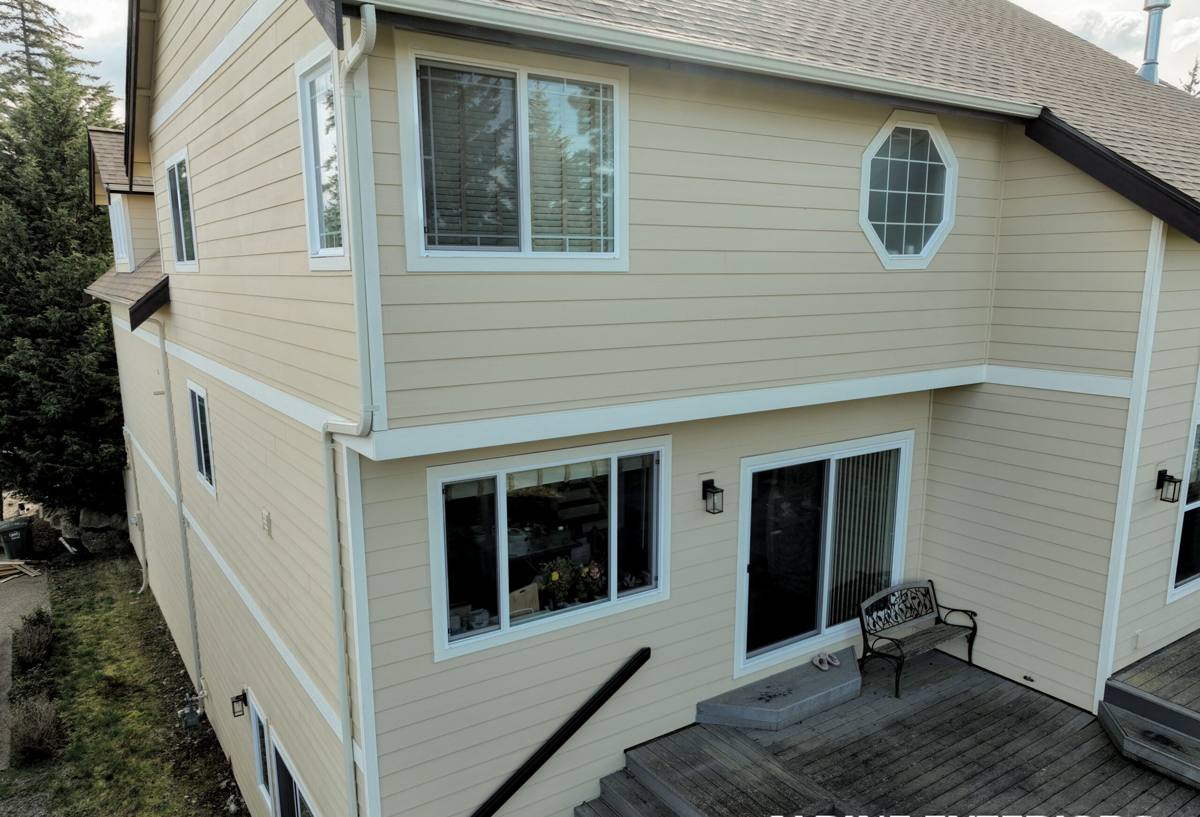
Why These Decks Take Extra Wear
Older framing, newer expectations
Many homes in this area were built decades before current deck-building standards existed. Ledger board attachment, joist hangers, and railing post connections that were considered acceptable when a deck went in may not meet what we'd install today — and after years of Florida heat and moisture cycling, those original connections are often the first thing to fail.
Shade, humidity, and slow drying
Some of the tree canopy and close lot spacing that gives Village of the Arts its character also means certain decks don't get full sun exposure to dry out after rain. Wood and fasteners that stay damp longer break down faster, especially at ledger boards, stair stringers, and anywhere two boards sit face to face.
Salt air and hardware corrosion
Bradenton's proximity to the river and the Gulf means airborne salt reaches inland further than people expect. Standard galvanized fasteners and connectors corrode faster here than the same hardware would in a dry inland climate. Once a fastener starts rusting, it loses grip strength long before it looks obviously bad.
What a Correct Deck Repair Actually Involves
A deck repair that's done right isn't just about replacing the boards you can see. It starts with the structure underneath, because that's what actually holds the deck up and keeps people safe.
- Ledger board inspection — where the deck attaches to the house is the single most common failure point we find, especially where flashing is missing or was never installed correctly.
- Joist and beam check — probing for soft, spongy, or discolored wood, which usually means rot has already progressed past the surface.
- Fastener and connector review — checking joist hangers, bolts, and screws for rust, looseness, or the wrong hardware type for an outdoor, coastal-adjacent application.
- Post and footing evaluation — confirming posts are still plumb, footings haven't shifted, and there's no rot at the base where wood meets concrete or ground.
- Railing and guard security — railings take constant hand pressure and lateral wind load; a railing that wiggles is a safety issue, not a cosmetic one.
- Decking surface condition — cupping, splintering, soft spots, and gaps that have opened up from repeated wet-dry cycling.
We treat the surface boards as the last item on that list, not the first. A deck can have brand-new boards on top of a compromised frame — and that's exactly the kind of repair that looks good in photos but fails in the next storm.
Common Problems We Find in Village of the Arts
| Symptom | Likely Cause | Repair Approach |
|---|---|---|
| Deck feels bouncy or springy underfoot | Undersized or deteriorated joists, loose hangers | Sister or replace affected joists, re-secure connectors |
| Railing moves when leaned on | Loose or corroded post connections | Re-anchor posts with proper hardware rated for the load |
| Gap or dark staining where deck meets house | Failed or missing ledger flashing | Remove ledger, install proper flashing, reattach with lag bolts |
| Boards cupping or splintering | UV and moisture cycling on aging wood | Replace individual boards or resurface with new decking |
| Rust streaks around screws | Standard fasteners corroding in salt air | Replace with stainless or coated coastal-rated fasteners |
| Soft or spongy spot in decking | Rot in the board or the joist beneath it | Cut out and replace affected framing and decking together |
Repair vs. Replace: How We Decide
Not every deck problem means a full rebuild, and not every deck is worth saving as-is. We look at a handful of practical factors before recommending one path over the other.
| Factor | Favors Repair | Favors Replacement |
|---|---|---|
| Framing condition | Solid, dry joists and beams with isolated problem areas | Widespread rot or damage across multiple structural members |
| Ledger connection | Sound attachment, flashing intact | Missing flashing, water intrusion into the house rim joist |
| Deck age | Under 15-20 years, built to a reasonable original standard | Older than that, or built without proper permits or code compliance |
| Scope of visible damage | Limited to a few boards, one railing section, or a stair run | Damage spread across most of the surface and structure |
| Owner's plans | Keeping current layout and footprint | Wanting a different size, layout, or upgraded material |
When a deck's framing is sound, targeted repair is almost always the more cost-effective choice. When the structure itself is compromised, patching the visible symptoms just delays a bigger problem — and in a neighborhood with older housing stock, we'd rather tell a homeowner the honest answer up front than sell a repair that won't hold.
Our Deck Repair Process
1. On-site inspection
We walk the whole deck, probe the framing, check the ledger, and test railings and stairs by hand — not just a visual pass.
2. Straight assessment
We tell you what's structural, what's cosmetic, and what can reasonably wait versus what shouldn't. No inflated scope, no scare tactics.
3. Written scope and estimate
You get a clear breakdown of what's being repaired, what materials and hardware we're using, and what it costs — before any work starts.
4. Repair work
Structural issues get addressed first — framing, connectors, flashing — followed by decking, railings, and surface work.
5. Final walkthrough
We check the repair with you in person before calling the job done, including a hands-on test of railings and any structural work.
Materials We Use and Why
For repairs, matching materials to what's already there matters as much as picking the "best" product. A repair that mixes incompatible wood species or fastener metals can actually accelerate corrosion or uneven wear at the seam between old and new.
For fasteners and connectors, we use stainless steel or coastal-rated coated hardware on repair work in this area — not because standard galvanized hardware is unusable everywhere, but because our professional standard for anything within reach of Gulf and river salt air is to use hardware built for that exposure. It costs more up front and saves a callback down the road.
For decking material itself, we'll walk you through the honest trade-offs: pressure-treated wood is the most affordable and easiest to match to an existing deck's appearance, but it needs regular sealing and will show wear faster in full sun. Composite decking costs more initially and needs the substrate underneath to be built correctly, but it holds up to UV and moisture with far less annual maintenance. Neither is universally "better" — it depends on your budget, how the deck is used, and how much upkeep you want to take on.
Permits and Working in a Historic-Character Neighborhood
In most cases, structural deck repair — anything involving framing, ledger attachment, footings, or railings — requires a permit through the City of Bradenton or Manatee County, depending on your property's location. Cosmetic work like replacing worn decking boards on an otherwise sound structure may not always trigger the same requirements, but it depends on scope. We handle the permitting conversation as part of the estimate so you're not left guessing, and we build repairs to current code even when the surrounding structure predates it.
Because Village of the Arts has a strong sense of neighborhood character, we also pay attention to matching repairs to a home's existing look where that matters to the owner — railing style, board orientation, and finish — rather than defaulting to whatever's fastest for us.
Why Hire a Crew That Already Works This Neighborhood
Deck repair in an older, coastal-adjacent Bradenton neighborhood is different work than deck repair in a five-year-old subdivision. A crew that's worked in Village of the Arts already knows to expect non-standard framing, previous DIY repairs stacked on top of each other, and hardware that's had years of salt air exposure. That experience shows up in faster, more accurate inspections and fewer surprises once a wall or board comes off.
It also means realistic scheduling and material planning around Florida's weather patterns — you don't want a deck opened up for repair when a summer storm system is rolling through Manatee County. We plan around that instead of hoping it doesn't rain.
Get a Straight Answer About Your Deck
If your deck in Village of the Arts has a soft spot, a wobbly railing, or just feels like it's not what it used to be, it's worth having someone look at the actual structure before you decide what to do. We offer free, no-pressure estimates — use the form below to schedule a time for us to take a look and give you a straight assessment.