 Bradenton Siding
 Window Replacement in Village of the Arts: A Different Kind of Bradenton Neighborhood
Village of the Arts sits just off downtown Bradenton in Manatee County — a tight grid of early- and mid-20th-century Florida bungalows that's been reshaped over the decades into one of the area's best-known arts districts, with working studios, galleries, and colorful homes set close together on small lots. That combination of older housing stock and a dense, walkable layout makes window replacement here a genuinely different job than the same project on a newer subdivision home elsewhere in the county. A lot of the original windows in this neighborhood are decades old — single-pane wood or early aluminum units that predate Florida's current wind and impact standards, and that have spent years absorbing direct Gulf Coast sun, salt-tinged air, and the occasional direct hit from a tropical system.
Bradenton Siding Co handles window replacement across Bradenton and the rest of Manatee County alongside our core siding and exterior work, and we pull permits and build to code on every job. The regional climate here — hurricane-force wind events, intense year-round UV, wind-driven rain, and salt air moving in off Tampa Bay and the Manatee River — puts real, sustained stress on windows, and it shapes almost every decision in a correct replacement, from frame material to how the new unit gets flashed and fastened into the wall.
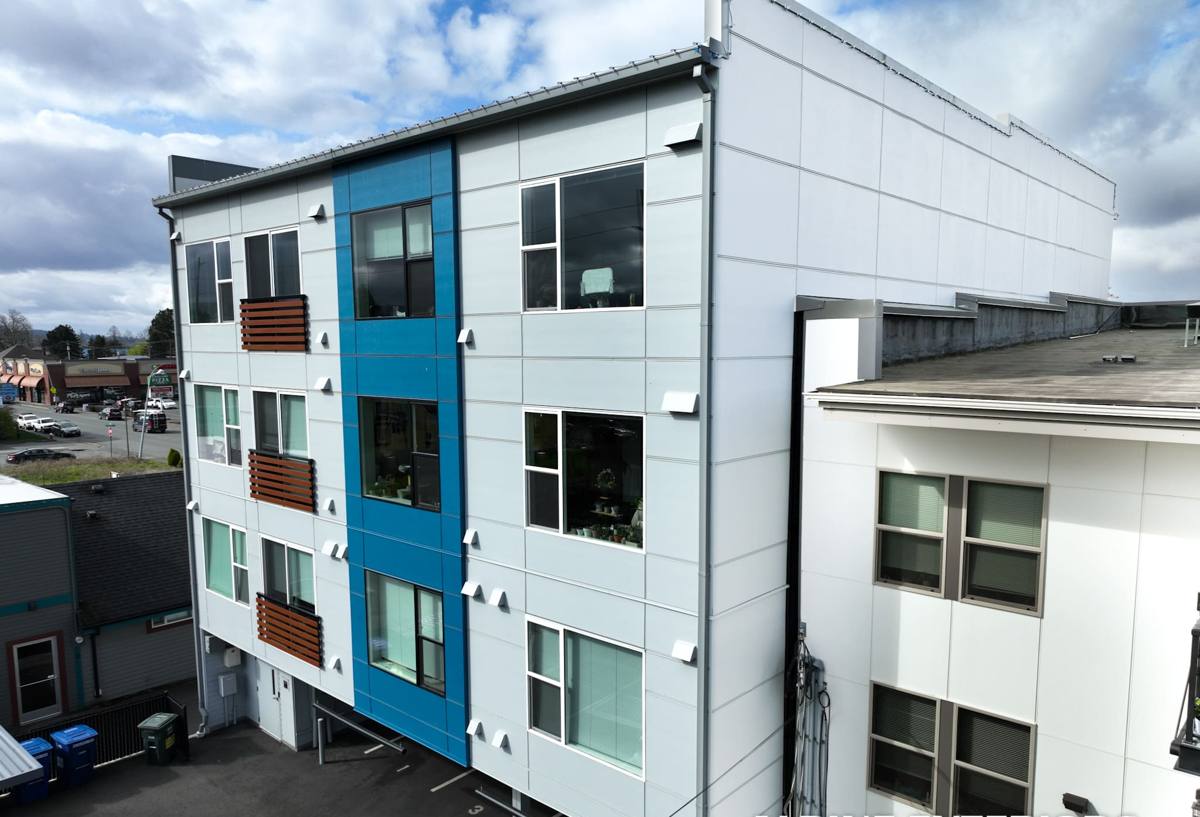
What Gulf Coast Weather Does to Windows in This Neighborhood
Hurricane-Force Wind and Pressure Loads
During a tropical system, wind doesn't just push against a window — it creates pressure differences that pull and flex the glass and frame from both sides, and a failed window opening lets that pressure into the house itself, which is a large part of what causes roof and structural damage in a storm. Older single-pane windows and their original frames were never engineered for the wind pressures Florida's current code accounts for, which is the core reason so many homes in this neighborhood are due for an upgrade regardless of how the glass itself looks.
Wind-Driven Rain and Water Intrusion
Tropical storms and even routine summer squalls off the Gulf rarely bring rain straight down here — wind drives it sideways into window frames, head trim, and sills with enough force to find any gap in old caulking or worn weatherstripping. On a bungalow with decades-old windows, that usually shows up as staining below the sill, soft trim, or a musty smell in the wall cavity long before anyone notices a visible leak.
Intense, Year-Round UV
Bradenton gets strong, direct sun essentially all year, and that UV load is hard on window components that don't get much attention — vinyl and rubber weatherstripping, exterior caulk, and any factory finish on the frame. UV breaks these materials down faster here than in most of the country, which is why a window that still looks fine can already have a failed seal or a frame finish that's chalking and losing its grip.
Salt Air and Hardware Corrosion
Bradenton's position on the Manatee River, close to where it opens into Tampa Bay and the Gulf, means the air here carries more salt than a purely inland location, even without being right on the open coast. That salt content works on window hardware, screen frames, and lower-grade fasteners over time, showing up first as pitting or stiffness in locks and cranks — often the earliest sign that a window's hardware wasn't finished for this climate.
What Florida Building Code Requires for a Replacement Window Here
Bradenton and the surrounding parts of Manatee County fall within Florida's wind-borne debris region, which means replacement windows generally need to meet impact standards through one of two paths: an impact-rated window tested and labeled as an assembly, or a standard window paired with code-approved shutters that get deployed ahead of a storm. Every replacement window installed here needs a Florida Product Approval number matching the wind load and impact requirements for the site, and the work requires a permit from the local building department — not a suggestion, an actual inspected requirement tied to the wind loads a home in this area is expected to withstand. We handle that permitting as part of the job rather than leaving it to the homeowner to sort out.
It's worth knowing that Manatee County is not part of Florida's High-Velocity Hurricane Zone, which is the stricter set of standards that applies specifically in Miami-Dade and Broward Counties. Products approved under that zone's testing typically exceed what's required here, but the reverse isn't automatically true — a window that's fine for a different part of the state or country may not carry the approval this county's permitting office needs to see. That's a detail worth confirming before signing off on any product, not after.
Window Options for a Village of the Arts Home
There's no single right answer for every house — budget, how long you plan to stay, and how much of the original bungalow character you want to preserve all factor into the decision. What matters is understanding the real trade-offs before choosing.
| Option | Storm Protection | Day-to-Day Trade-Offs | Upfront Cost |
|---|---|---|---|
| Impact-rated windows | Laminated glass stays intact under debris impact; passive protection, no deployment needed | Also cuts UV, noise, and outside heat year-round | Higher |
| Standard windows + accordion or panel shutters | Effective when shutters are actually closed before a storm | Requires manual deployment and shutter storage/maintenance | Lower upfront, added labor each storm season |
| Standard windows, no shutters | Does not meet code for this wind-borne debris region | Not a compliant option for a permitted replacement here | N/A |
Frame material matters too. Vinyl and fiberglass both resist the corrosion that affects aluminum in salt-influenced air, though a well-finished aluminum frame can still perform well when it's properly maintained. Wood-framed replacement windows can work for a bungalow where matching the original look matters most, but they need real upkeep in this climate — regular painting or sealing to keep UV and moisture from working into the joints and sill.
Full-Frame Replacement vs. Insert Replacement in an Older Bungalow
Insert replacement fits a new window into the existing frame and opening, which is faster and less disruptive to surrounding trim and siding. It works when the existing frame is still square, structurally sound, and free of rot or water damage. Full-frame replacement takes the opening down to the rough framing and rebuilds the flashing from scratch — it costs more and takes longer, but it's the honest call on a lot of Village of the Arts homes, where original wood-framed openings have often seen decades of sun and moisture and may have settled out of square or developed hidden rot at the sill. We check the actual condition of the opening before recommending either option rather than defaulting to whichever is faster to sell.
Installation Details We Don't Treat as Optional
An impact-rated window only performs the way it's rated to when the installation around it is done correctly. On every job in this area, that means:
- Anchoring into the rough opening with the fastener type, spacing, and embedment specified for the product's tested wind load — not a generalized fastening pattern
- A properly pitched sill pan that sheds wind-driven rain outward instead of letting it collect under the frame
- Head flashing integrated with the wall's water-resistive barrier, lapped so water sheds down and out rather than behind the finish
- Continuous, code-compliant sealant at the perimeter — not caulk alone standing in for structural anchoring
- Weep holes and drainage paths left clear and functional, never sealed shut during installation
- Corrosion-resistant fasteners and hardware suited to a sustained salt-air environment
None of this adds meaningfully to the cost of a job relative to the window itself, but skipping any of it is exactly what turns a properly rated product into one that fails at the flashing and framing, not the glass.
Signs a Village of the Arts Home Needs Window Attention
- Fogging or condensation trapped between panes, usually meaning a failed seal on an insulated glass unit
- Noticeable drafts or a temperature difference near a closed window
- Soft, discolored, or spongy wood trim and sills, especially on sun- or weather-exposed walls
- Windows that stick, won't latch fully, or have become difficult to operate
- Chalking, peeling, or bubbling finish on frames or sills
- Visible daylight, cracked caulk, or gaps around the frame from inside the home
- Water staining on interior walls or ceilings near a window after heavy rain
Any one of these is worth a professional look. Caught early, most point to a repair or resealing job. Left through another hurricane season, several of them point to real water and structural damage building behind the wall.
Why a Crew That Already Works Village of the Arts Matters
Village of the Arts is a neighborhood of small lots, older framing, and homes that were built long before current wind and impact codes existed — and a lot of them have also been personalized over the years as working studios and galleries, which means the exterior often matters as much to the owner as the performance behind it. A crew that regularly works this specific stretch of Bradenton already knows what to expect when an old wood-framed opening comes apart: settled framing, sills that may need real repair before a new window ever goes in, and a homeowner who often wants the replacement to keep the character of the original house rather than look like an obvious retrofit. That's a different set of judgment calls than a crew mostly used to new-construction subdivisions makes on a routine basis.
A Few Questions Worth Asking Before You Hire
- Are they a Florida state-licensed contractor, and can they show current liability insurance?
- Will they pull the required permit and schedule the county or city inspection themselves?
- Can they show the Florida Product Approval documentation for the specific window they're proposing?
- How do they handle rot or framing damage discovered once the old window comes out?
- Will you get a clear, written scope of work and timeline before anything is signed?
Our Process
We start with an on-site look at the actual condition of each opening — not just the glass, but the frame, sill, and surrounding trim — since on an older Village of the Arts home that condition varies a lot more from window to window than it would on a newer house. From there we put together a clear, written scope covering the product, the permit, and the installation details, so there are no surprises once work starts. Correct flashing, fastening, and drainage are standard on every window we install here, not an upgrade tacked on at extra cost.
If you're weighing options for window replacement on a Village of the Arts home, we're glad to walk the property with you and give an honest, no-pressure read on what it actually needs. Reach out using the form below for a free estimate.